The specter of devastating pandemics has haunted human history, with the Black Death of the Middle Ages famously decimating approximately one-third of Europe’s populace, a catastrophic event attributed to the bacterium Yersinia pestis transmitted by fleas from rats to humans. However, the narrative of plague’s impact extends far beyond this medieval calamity, reaching back to the Bronze Age, approximately 5,000 years ago, when an ancestral strain of Y. pestis emerged and persisted across Eurasia for nearly two millennia. A significant scientific enigma has long surrounded this ancient pathogen: unlike its medieval counterpart, this earlier iteration lacked the flea-mediated transmission pathway, prompting persistent questions about its extensive geographic spread across a vast continent.
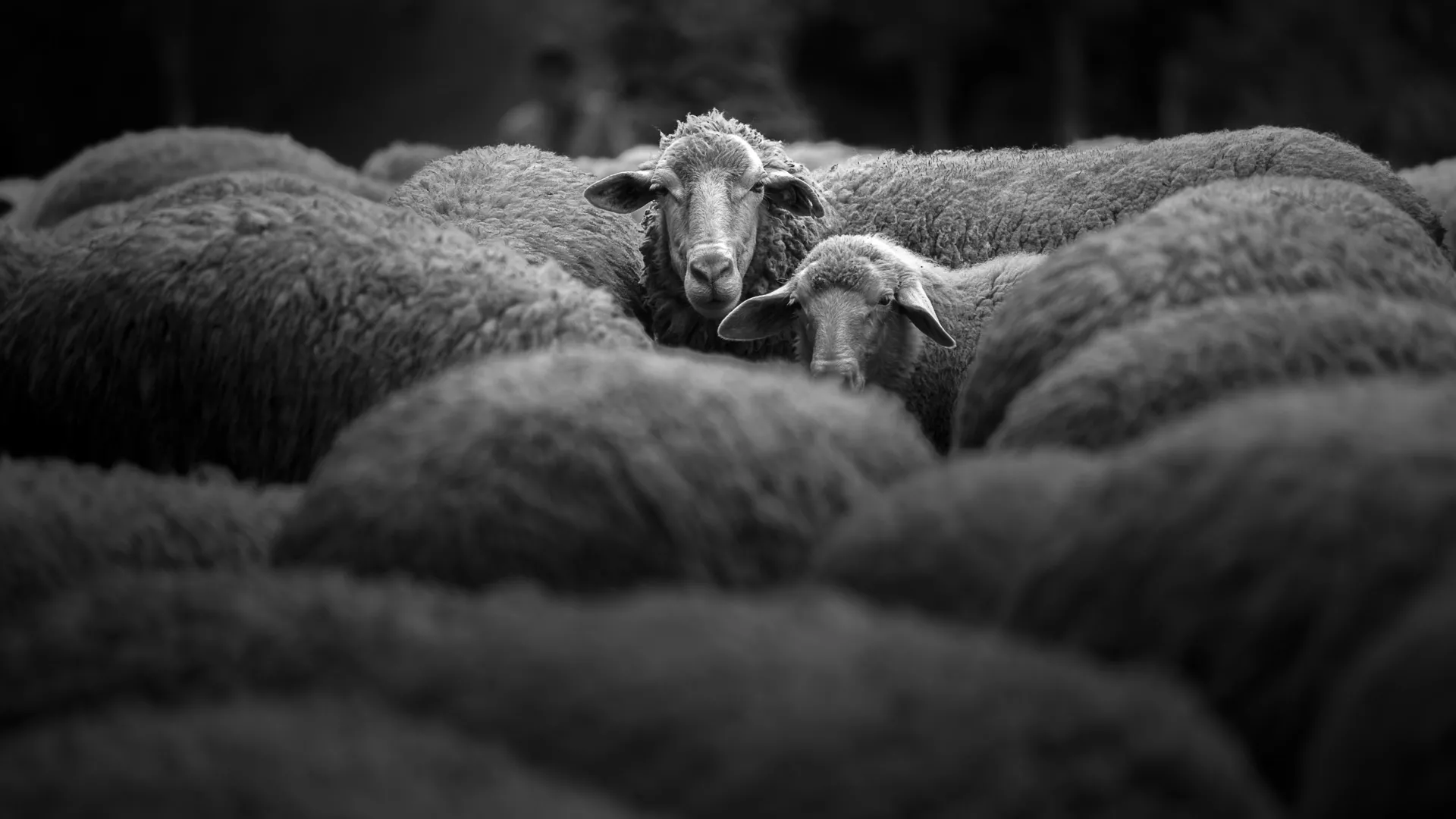
Recent groundbreaking research has illuminated a critical facet of this ancient puzzle, with an international consortium of scientists, including archaeologist Taylor Hermes from the University of Arkansas, identifying the inaugural evidence of Bronze Age plague residing within a non-human host. The study, meticulously detailed in the esteemed journal Cell under the title "Bronze Age Yersinia pestis genome from sheep sheds light on hosts and evolution of a prehistoric plague lineage," reports the detection of Y. pestis DNA within the skeletal remains of a domesticated sheep that lived approximately 4,000 years ago. This pivotal discovery was made from animal remains excavated from Arkaim, a fortified Bronze Age settlement situated in the Southern Ural Mountains of present-day Russia, close to the border with Kazakhstan. The presence of the plague bacterium in this ovine specimen strongly suggests that livestock may have served as a crucial vector in the dissemination of plague during the Bronze Age, offering a compelling explanation for the disease’s wide-ranging proliferation across the Eurasian landmass.
The collaborative research effort involved a distinguished assembly of scholars from prominent institutions, including Harvard University, and leading research centers in Germany, Russia, and South Korea, underscoring the global significance of this scientific undertaking. Taylor Hermes, a co-leader of a substantial research initiative focused on ancient livestock DNA, explained the intricate process involved in tracing the historical movements of domesticated animals like cattle, goats, and sheep from their origins in the Fertile Crescent across Eurasia. This ancient migration of livestock played a transformative role in shaping the development of nomadic societies and the foundational structures of early empires, and it is within this context of animal movement that the plague’s ancient journey is now being understood.
The challenge of extracting and analyzing ancient DNA is fraught with complexities, as Hermes elaborated, noting the inherent difficulties in isolating the target genetic material from a "complex genetic soup of contamination." This contamination arises from a multitude of sources, including the DNA of microorganisms that inhabit the soil where ancient bones are interred, as well as the inadvertent introduction of DNA from researchers’ own skin cells or saliva. The genetic fragments recovered from ancient remains are often minuscule, with many measuring a mere 50 base pairs, a stark contrast to the more than 3 billion base pairs constituting the complete human genome. Furthermore, animal remains generally exhibit poorer preservation compared to human remains, which are typically subjected to more careful burial practices. Animals were frequently cooked and consumed, their bones subsequently discarded in refuse sites where exposure to heat and environmental elements gradually degrades genetic material.
The breakthrough moment occurred during the meticulous examination of livestock remains that had been excavated from Arkaim during the 1980s and 1990s. Hermes and his team encountered an unexpected finding: a single sheep bone yielded DNA unequivocally belonging to Yersinia pestis. "It was alarm bells for my team," Hermes recounted, emphasizing the unprecedented nature of isolating Yersinia pestis from a non-human sample. The significance of this discovery was amplified by Arkaim’s association with the Sintashta culture, a civilization renowned for its advancements in early horsemanship, sophisticated bronze weaponry, and substantial genetic contributions to Central Asia.
The presence of identical Bronze Age plague strains in human remains discovered thousands of kilometers apart had long posed a perplexing question: how did the pathogen achieve such extensive geographical dissemination? "It had to be more than people moving," Hermes stated, underscoring the inadequacy of human migration alone to explain the plague’s reach. "Our plague sheep gave us a breakthrough. We now see it as a dynamic between people, livestock and some still unidentified ‘natural reservoir’ for it, which could be rodents on the grasslands of the Eurasian steppe or migratory birds."
The concept of a natural reservoir is central to understanding pathogen transmission. A natural reservoir is an animal species that harbors a pathogen without exhibiting overt signs of illness, effectively acting as a persistent source of infection. In the context of the Middle Ages, rats served as the primary reservoir for Y. pestis, with fleas acting as the intermediary vectors. In contemporary epidemiology, for instance, bats frequently function as reservoirs for viral pathogens like Ebola and Marburg virus. The identification of Y. pestis in a sheep from the Bronze Age suggests a similar dynamic, where domesticated animals may have played an intermediary role, bridging the gap between an as-yet-unidentified natural reservoir and human populations.
The implications of this discovery extend beyond historical understanding, offering valuable lessons for contemporary public health and environmental stewardship. Taylor Hermes has recently secured a significant five-year grant from Germany’s Max Planck Society, totaling 100,000 Euros, to continue archaeological excavations in the Southern Urals near Arkaim. These ongoing efforts aim to unearth additional human and animal remains that may harbor further traces of Y. pestis, providing a more comprehensive picture of the Bronze Age plague’s epidemiology.
The Bronze Age witnessed the emergence of the Sintashta culture, characterized by their sophisticated management of larger livestock herds and their prowess as skilled horse riders. This period of increased human-animal interaction and expanding travel across the vast Eurasian steppe likely created new opportunities for disease spillover from environmental reservoirs into both animal and human populations. While these events transpired millennia ago, Hermes draws a potent parallel to modern-day challenges, asserting that the findings carry a crucial message regarding the potential consequences of expanding economic activities into natural environments. Such intrusions can disrupt delicate ecosystems, leading to an increased risk of zoonotic disease transmission – the spillover of pathogens from animals to humans.
"We should appreciate the delicate inner workings of the ecosystems we might disturb and aim to preserve the balance," Hermes advised, emphasizing the interconnectedness of natural systems. His concluding remarks highlight a profound respect for the forces of nature, underscoring the importance of understanding and mitigating the risks associated with human encroachment on natural habitats, a lesson learned from the echoes of a 4,000-year-old epidemic.
About the Author