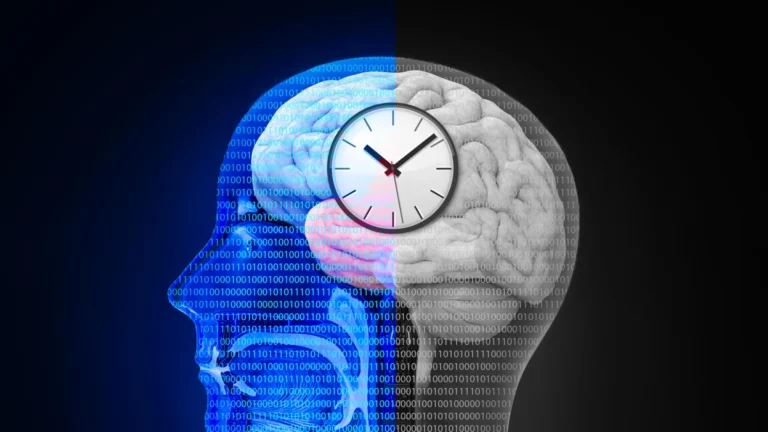
Neural stem cells, often referred to as the brain’s own repair crew, are fundamental to neurogenesis – the continuous process of creating new neurons. These newly formed nerve cells are indispensable for cognitive functions such as learning, memory formation, and overall brain plasticity. However, a widely observed phenomenon accompanying the aging process is the gradual attrition of neural stem cell self-renewal capabilities. This diminished regenerative capacity is a significant contributor to the cognitive impairments that often accompany advanced age, leading to challenges in memory retention, information processing, and executive functions.
The investigation into DMTF1’s function was spearheaded by Assistant Professor Ong Sek Tong Derrick, alongside first author Dr. Liang Yajing, both affiliated with the Department of Physiology and the Healthy Longevity Translational Research Programme at NUS Medicine. Their research endeavor was driven by a fundamental scientific curiosity to unravel the intricate biological transformations that lead to the decline of neural stem cell potency over time. The ultimate ambition of this line of inquiry is to identify precise molecular targets that can be leveraged for the development of therapeutic interventions aimed at mitigating the effects of neurological aging.
To meticulously dissect the operational mechanisms of DMTF1, the research team employed a multi-pronged approach. They meticulously examined neural stem cells sourced from both human donors and from sophisticated laboratory models meticulously engineered to replicate the characteristics of premature aging. Employing advanced techniques such as genome binding and transcriptome analyses, the scientists mapped out the intricate ways in which DMTF1 influences the expression and activity of various genes within these cells. A particular area of intense focus was the protein’s interaction with stem cells experiencing the detrimental effects of telomere dysfunction. Telomeres, which serve as protective caps at the extremities of chromosomes, are known to progressively shorten with each cellular division, a process intrinsically linked to cellular senescence and organismal aging.
A striking revelation from their experiments was the significantly reduced abundance of DMTF1 within neural stem cells exhibiting markers of aging. The subsequent restoration of DMTF1 expression in these diminished cells triggered a remarkable recovery in their regenerative capabilities. This crucial finding strongly suggests that DMTF1 holds considerable promise as a therapeutic target for revitalizing the function of neural stem cells in the aging brain, potentially reversing or significantly slowing the degenerative processes associated with cognitive decline.
Further in-depth analysis elucidated the precise molecular pathways through which DMTF1 exerts its restorative influence. The protein was found to directly regulate the activity of a suite of "helper" genes, specifically Arid2 and Ss18. These genes are instrumental in modifying the chromatin structure, effectively loosening the tightly packed DNA that can otherwise impede gene accessibility. This loosening action facilitates the activation of genes crucial for cellular growth and proliferation. In the absence of adequate DMTF1 and its downstream helper genes, neural stem cells are severely handicapped in their ability to effectively renew and multiply, thereby compromising the brain’s regenerative potential.
"The impairment of neural stem cell regeneration has been a long-standing correlate of neurological aging," stated Asst Prof Ong, underscoring the significance of their findings. "This inadequacy in regenerating neural stem cells directly inhibits the generation of new neurons essential for supporting vital learning and memory functions. While previous studies have indicated that defective neural stem cell regeneration can be partially salvaged, the underlying molecular mechanisms have remained largely elusive." He further elaborated, "A profound understanding of the fundamental mechanisms governing neural stem cell regeneration provides a more robust and informed foundation for investigating the complexities of age-related cognitive decline."
These groundbreaking findings hold substantial implications for the future development of therapeutic strategies designed to counteract or postpone the inevitable trajectory of brain aging. The research points towards the possibility of devising interventions that either elevate DMTF1 levels or enhance its inherent activity, thereby potentially reversing or delaying the functional decline of neural stem cells that is so closely associated with the aging process.
While the current body of evidence is predominantly derived from in vitro (laboratory-based) experiments, the research team is already charting a course for future investigations. A critical next step involves exploring whether artificially boosting DMTF1 levels can translate into increased neural stem cell populations and demonstrable improvements in learning and memory capabilities within experimental models experiencing both natural aging and conditions characterized by telomere shortening. Crucially, these future studies will also meticulously assess whether such interventions carry any elevated risk of inducing brain tumors, a paramount consideration for any potential therapeutic application. Looking further ahead, the researchers aspire to identify specific small molecules capable of safely and effectively stimulating DMTF1 activity, with the ultimate goal of achieving a rejuvenation of aging neural stem cells.
"Our current findings strongly suggest that DMTF1 possesses the capacity to significantly contribute to neural stem cell multiplication within the context of neurological aging," remarked Dr. Liang. "Although our study is still in its nascent stages, the insights gleaned from this work provide a foundational framework for comprehending how molecular alterations associated with aging exert their influence on neural stem cell behavior. Ultimately, this deeper understanding may pave the way for the successful development of groundbreaking therapeutic agents." The implications of this research extend beyond mere scientific curiosity, offering a tangible glimmer of hope for individuals experiencing or at risk of age-related cognitive decline, and opening new frontiers in the quest for brain healthspan extension.
About the Author