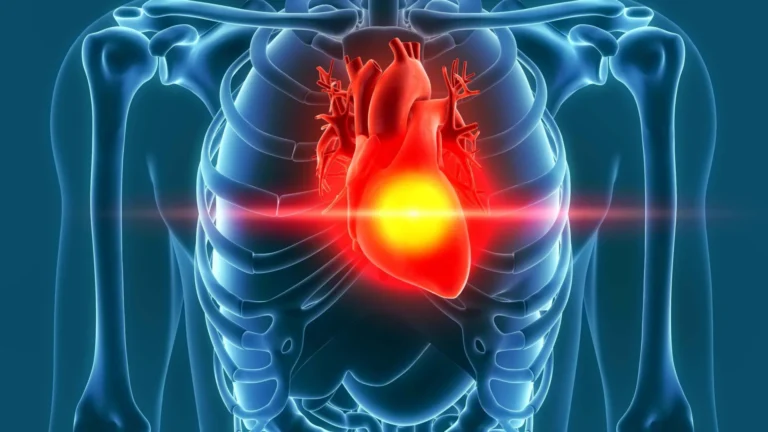
Individuals living with Type 1 diabetes confront a multifaceted challenge extending far beyond glycemic control. Despite significant advancements in insulin therapy and glucose monitoring, a substantial portion of the diabetic population remains susceptible to severe long-term complications, particularly cardiovascular disease. This insidious progression, often accelerated compared to the general population, stems from chronic hyperglycemia and its systemic repercussions, leading to microvascular and macrovascular damage that compromises organ function and significantly impacts quality of life. The persistent elevation of blood sugar levels initiates a cascade of biochemical processes, including oxidative stress, chronic low-grade inflammation, and the formation of advanced glycation end products (AGEs), all of which contribute to endothelial dysfunction, arterial stiffening, and the premature development of atherosclerosis. Consequently, there is an urgent and ongoing scientific pursuit to identify adjunctive therapeutic strategies capable of mitigating these vascular insults and preserving cardiovascular integrity in those afflicted with this autoimmune condition.
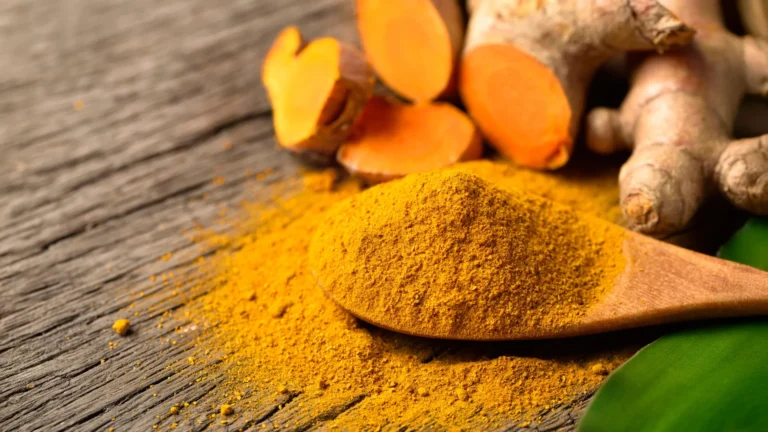
Emerging research presented at the 2026 American Physiology Summit in Minneapolis, the premier annual gathering hosted by the American Physiological Society (APS), sheds new light on a naturally occurring compound that could offer a novel avenue for such protection. The investigation, focusing on curcumin—the vibrant yellow pigment and principal curcuminoid found in the spice turmeric (Curcuma longa)—suggests its profound capacity to shield blood vessels from the detrimental effects associated with diabetic pathology. This compelling discovery highlights curcumin’s potential not merely as a dietary component but as a therapeutic agent capable of addressing fundamental mechanisms of vascular deterioration.
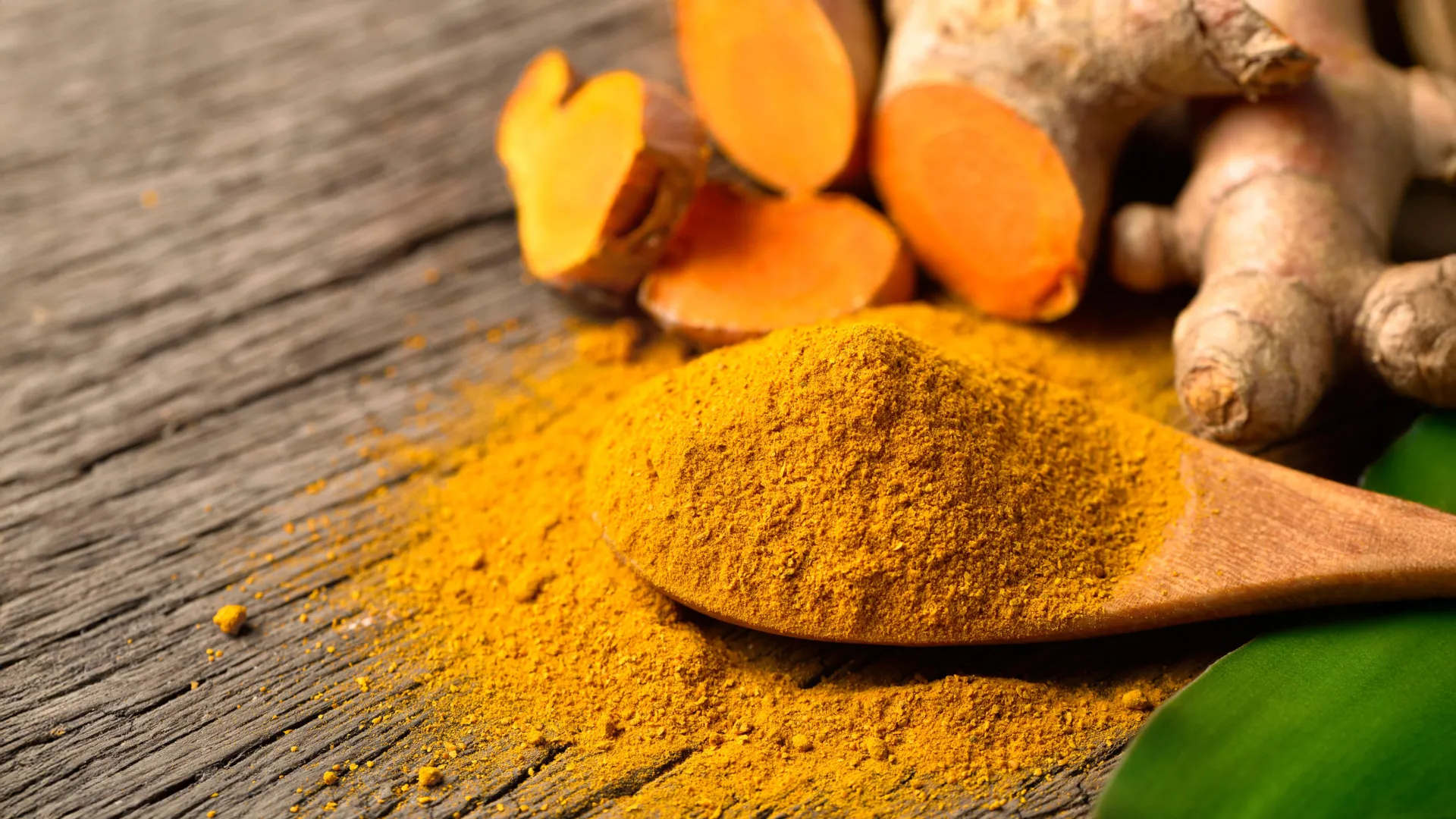
Turmeric, derived from the rhizome of a perennial plant in the ginger family, has been revered for centuries in traditional Ayurvedic and Chinese medicine for its diverse medicinal properties. Beyond its culinary application, it has been historically utilized for its anti-inflammatory, antioxidant, antiseptic, and analgesic effects. Modern pharmacological research has extensively validated many of these traditional uses, attributing a significant portion of turmeric’s bioactivity to curcumin. This polyphenolic compound exerts its pleiotropic effects through modulation of numerous molecular targets and signaling pathways within the body. Its recognized anti-inflammatory prowess, for instance, involves the inhibition of key inflammatory mediators like NF-κB, a protein complex that controls transcription of DNA, cytokine production, and cell survival. Similarly, its antioxidant activity is linked to its ability to scavenge free radicals and upregulate endogenous antioxidant enzymes, counteracting the oxidative stress that is a hallmark of many chronic diseases, including diabetes. These inherent characteristics make curcumin a compelling candidate for investigation into diabetes-related complications, where systemic inflammation and oxidative stress play pivotal roles in disease progression.
The study specifically delved into Type 1 diabetes, an autoimmune disorder characterized by the immune system’s destruction of insulin-producing beta cells in the pancreas. This leads to an absolute deficiency of insulin, necessitating lifelong insulin replacement therapy. Approximately two million individuals in the United States are affected by this condition, which often manifests in childhood or adolescence. Despite rigorous insulin management, the long-term sequelae, particularly cardiovascular disease, remain a significant health burden. High blood glucose levels, even when intermittently controlled, inflict cumulative damage on the delicate lining of blood vessels, leading to arterial stiffness, impaired vasodilation, and an elevated risk of heart attack and stroke at an earlier age compared to non-diabetic populations. It is against this backdrop of persistent vascular vulnerability that the researchers explored curcumin’s potential.
To investigate whether curcumin could ameliorate this specific type of vascular compromise, the scientific team employed a well-established rat model mirroring human Type 1 diabetes. This preclinical model allows for controlled experimental conditions and the examination of physiological changes over time in a manner that would be ethically challenging or impractical in initial human studies. The research design involved comparing a cohort of diabetic rats that received daily curcumin treatment with a control group of diabetic rats that did not receive the compound. An additional non-diabetic control group was also included for baseline comparison of vascular health parameters. After a treatment period spanning one month, the findings were striking. The diabetic rats administered curcumin exhibited marked improvements in several critical indicators of vascular well-being, restoring them to levels remarkably similar to those observed in their non-diabetic counterparts.
Detailing the mechanistic insights, the researchers identified several key areas where curcumin exerted its protective influence. One significant observation was the apparent reduction in inflammatory markers within the blood vessels of the curcumin-treated diabetic rats. Chronic inflammation is a central driver of vascular dysfunction in diabetes, contributing to endothelial cell damage, smooth muscle cell proliferation, and the progression of atherosclerosis. Curcumin’s ability to dampen this inflammatory response suggests a direct intervention in a core pathological pathway.
Furthermore, the study revealed that curcumin helped to normalize calcium activity within the vascular tissue. Calcium ions play a critical role in regulating the contraction and relaxation of vascular smooth muscle cells, thus influencing blood vessel tone and elasticity. In diabetic conditions, this delicate calcium homeostasis can be disrupted, leading to abnormal vessel reactivity and increased stiffness. By restoring more physiological calcium dynamics, curcumin appears to support the healthy functional integrity of the arterial walls.
Another crucial finding pertained to heat shock protein 70 (HSP70). HSP70 is a molecular chaperone protein that plays a vital role in cellular protection and repair, particularly in response to stress. Its expression and regulation are often compromised in diabetic states, impairing the cell’s ability to cope with damage and maintain proper protein folding. The research indicated that curcumin treatment helped rebalance HSP70 levels, suggesting an enhancement of the cellular stress response mechanisms within the blood vessels. This rebalancing is highly significant as it points to curcumin’s capacity to bolster the intrinsic cellular defense systems that are often overwhelmed in chronic diseases like diabetes.
Collectively, these multifaceted effects—reduction of inflammation, normalization of calcium activity, and rebalancing of HSP70—paint a comprehensive picture of how curcumin might intervene at a cellular and molecular level to counteract diabetic vascular damage. By mitigating these fundamental pathological processes, curcumin could effectively limit the structural and functional alterations that gradually erode the resilience and elasticity of blood vessels. The preservation of healthier vascular function holds the profound potential to lower some of the most significant cardiovascular risks intrinsically associated with Type 1 diabetes, offering a glimmer of hope for improved long-term outcomes. Swasti Rastogi, a PhD candidate at the Florida Institute of Technology and the study’s first author, emphasized the broader implications, stating, "Curcumin’s role extends beyond a simple spice compound or antioxidant. It demonstrates a capacity not only to aid in improving glycemic indicators but also to diminish inflammation, re-establish crucial cellular responses, and maintain both the structural integrity and functional performance of the aorta in the context of Type 1 diabetes." This perspective underscores the compound’s potential as a comprehensive modulator of diabetic pathology.
Despite the highly encouraging nature of these preclinical findings, the research team, along with the broader scientific and medical communities, strongly cautions against immediate self-medication or the assumption that these results directly translate to human clinical practice. The study was conducted in a rodent model, and physiological responses can differ significantly between species. Therefore, a substantial amount of additional research is imperative before any recommendations can be made for human consumption or supplementation.
The translational pathway from animal studies to human therapy is rigorous and multi-staged. Future investigations will need to encompass further animal studies to optimize dosing, assess long-term safety, and explore potential interactions with existing medications. Following successful preclinical validation, robust human clinical trials will be essential. These trials, typically divided into phases, would first establish safety and optimal dosage in healthy volunteers (Phase I), then assess efficacy and safety in a larger group of patients with Type 1 diabetes (Phase II), and finally, confirm effectiveness and monitor side effects in large populations (Phase III). Furthermore, researchers would need to address challenges related to curcumin’s relatively low bioavailability in humans, exploring formulations that enhance its absorption and systemic distribution to achieve therapeutic concentrations.
In light of these considerations, it is paramount that individuals with Type 1 diabetes, or any chronic health condition, refrain from independently increasing their turmeric consumption or commencing curcumin supplementation without explicit medical guidance. Supplements, even those derived from natural sources, can interact with prescription medications, elicit adverse effects, or be ineffective without proper formulation and dosage. Consulting with a healthcare professional is an indispensable step before integrating any new supplement into one’s regimen, ensuring safety, efficacy, and compatibility with existing treatments.
In conclusion, this preliminary research on curcumin’s vascular protective effects in diabetic rats represents a significant and promising step forward in the quest for novel strategies to combat the debilitating cardiovascular complications of Type 1 diabetes. While the path to clinical application is lengthy and complex, these findings provide a compelling scientific rationale for continued exploration of curcumin and similar natural compounds as potential adjunctive therapies. The prospect of leveraging a widely available, natural substance to safeguard arterial health against the ravages of hyperglycemia offers a beacon of hope for improving the long-term prognosis and quality of life for millions living with diabetes worldwide.
About the Author