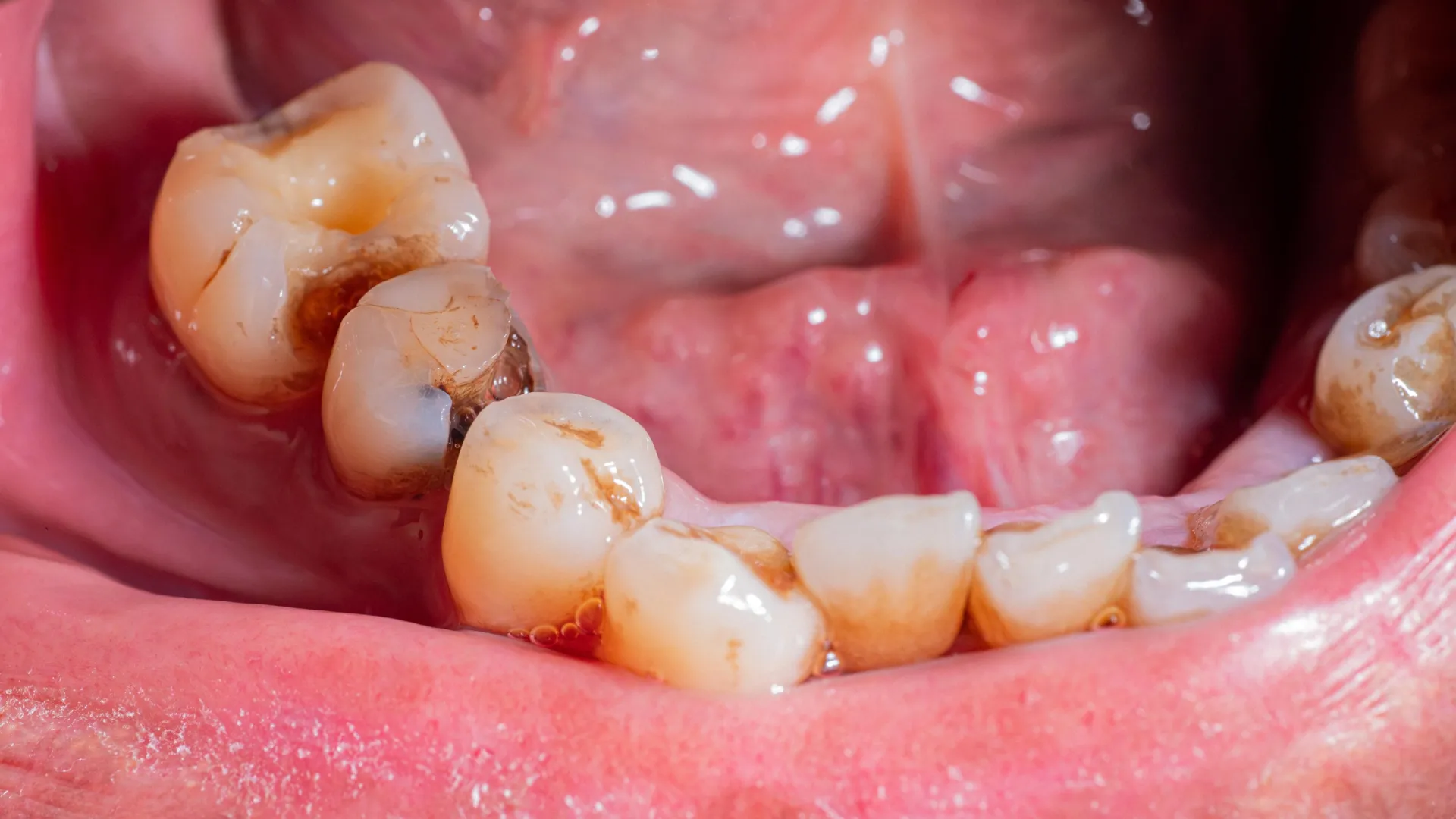
A groundbreaking clinical investigation originating from King’s College London has unveiled compelling evidence suggesting that the successful resolution of common dental infections, specifically through root canal therapy, may yield significant systemic health benefits extending far beyond the confines of oral cavity. This pioneering research indicates that addressing conditions like apical periodontitis can not only alleviate localized inflammation but also demonstrably improve key metabolic indicators associated with cardiovascular disease and glycemic control, offering a novel perspective on the intricate connection between oral hygiene and overall well-being.
For decades, the medical and dental communities have harbored a growing suspicion regarding the pervasive influence of oral pathogens on the body’s general health. However, the precise mechanisms and the extent of these systemic repercussions, particularly the positive outcomes achievable through effective dental intervention, have remained largely unquantified and under-explored until the advent of this study. The research team meticulously examined the post-treatment physiological responses of patients undergoing root canal procedures, focusing on a cohort experiencing a prevalent dental ailment that allows microbial agents to infiltrate the circulatory system. This bacterial dissemination is a known catalyst for chronic inflammation, a process intrinsically linked to an elevated risk profile for various serious health conditions, including but not limited to, heart ailments and challenges in maintaining stable blood glucose levels.
The study, conducted at the esteemed Guy’s and St Thomas’ NHS Foundation Trust, enrolled sixty-five participants who were closely monitored for a period of two years following their root canal treatments. The researchers employed sophisticated analytical techniques, specifically nuclear magnetic resonance (NMR) spectroscopy, to meticulously scrutinize the complex milieu of molecules present in the patients’ bloodstream. This advanced methodology allowed for an in-depth understanding of how the body metabolizes crucial substances like sugars and fats, and critically, how it responds to the presence of infection and the subsequent therapeutic interventions. The goal was to identify and track subtle yet significant shifts in blood chemistry that could serve as indicators of improved health.
The findings from this longitudinal study have yielded several highly encouraging observations. A notable outcome was the observed reduction in systemic inflammation markers, a crucial step in mitigating the risks associated with cardiovascular complications. Furthermore, the research pointed towards a positive impact on blood sugar regulation, suggesting that the eradication of oral infection could contribute to better glycemic control, a vital factor in preventing or managing diabetes. Cholesterol levels also showed favorable adjustments, indicating a broader positive metabolic shift. These findings lend substantial weight to the hypothesis that a compromised oral environment can actively contribute to metabolic dysregulation, and conversely, its restoration can foster a healthier systemic state.
The implications of these findings are profound. The study highlights that bacteria residing within infected root canals, when allowed to enter the bloodstream, can act as persistent instigators of inflammation throughout the body. This chronic inflammatory state is a well-established risk factor for the development and exacerbation of serious health issues, including type 2 diabetes and various forms of heart disease. The successful elimination of the source of infection through root canal therapy, therefore, presents a potent strategy for potentially diminishing these elevated risks. It underscores the critical importance of not viewing dental infections in isolation but as potential contributors to a cascade of adverse health events.
A particularly significant aspect of the research is the identification of specific metabolic markers within the blood that could serve as valuable tools for clinicians. The study suggests that levels of glucose, triglycerides (a type of fat), and tryptophan (an amino acid) could potentially be utilized to assess a patient’s recovery trajectory and to proactively identify individuals at higher risk for future health complications following dental treatment. This opens up avenues for more precise monitoring and personalized care strategies, bridging the gap between dental and general medical practice.
Dr. Sadia Niazi, the lead author and a Senior Clinical Lecturer in Endodontology at King’s College London, emphasized the interconnectedness of oral and systemic health, stating that the study’s outcomes move beyond simply improving oral well-being. "Our findings demonstrate that root canal treatment does not merely enhance oral health; it possesses the potential to mitigate the risk of severe health conditions such as diabetes and heart disease," Dr. Niazi articulated. She further underscored this point by explaining, "Long-standing root canal infections can facilitate the entry of bacteria into the bloodstream, thereby triggering inflammation and elevating blood glucose and fat levels, consequently increasing the likelihood of serious health issues like heart disease and diabetes. It is imperative that dental professionals acknowledge the far-reaching impact of these root canal infections and champion their early diagnosis and treatment."
Dr. Niazi’s vision extends towards a more integrated healthcare model. She advocates for a paradigm shift towards collaborative care, where dentists and general practitioners work in concert to monitor patient risks through these identified blood markers, thereby safeguarding overall health. "It is time to transcend the singular focus on the tooth and embrace a truly holistic approach to dental care," she urged, highlighting the need for a comprehensive understanding of how dental health influences broader physiological functions.
While the results of this study are highly promising and offer novel insights, the researchers themselves acknowledge the necessity for further investigation. Larger-scale, multi-center studies will be crucial to definitively validate these findings and to further elucidate the complex biochemical pathways involved. Nevertheless, this research provides a robust foundation for future exploration and strengthens the argument for prioritizing oral health as an integral component of comprehensive healthcare strategies aimed at disease prevention and the promotion of long-term wellness. The study, published in the esteemed Journal of Translational Medicine, received crucial funding from the Royal College of Surgeons (RCS) England, underscoring the significance of this endeavor within the broader medical research landscape.
About the Author