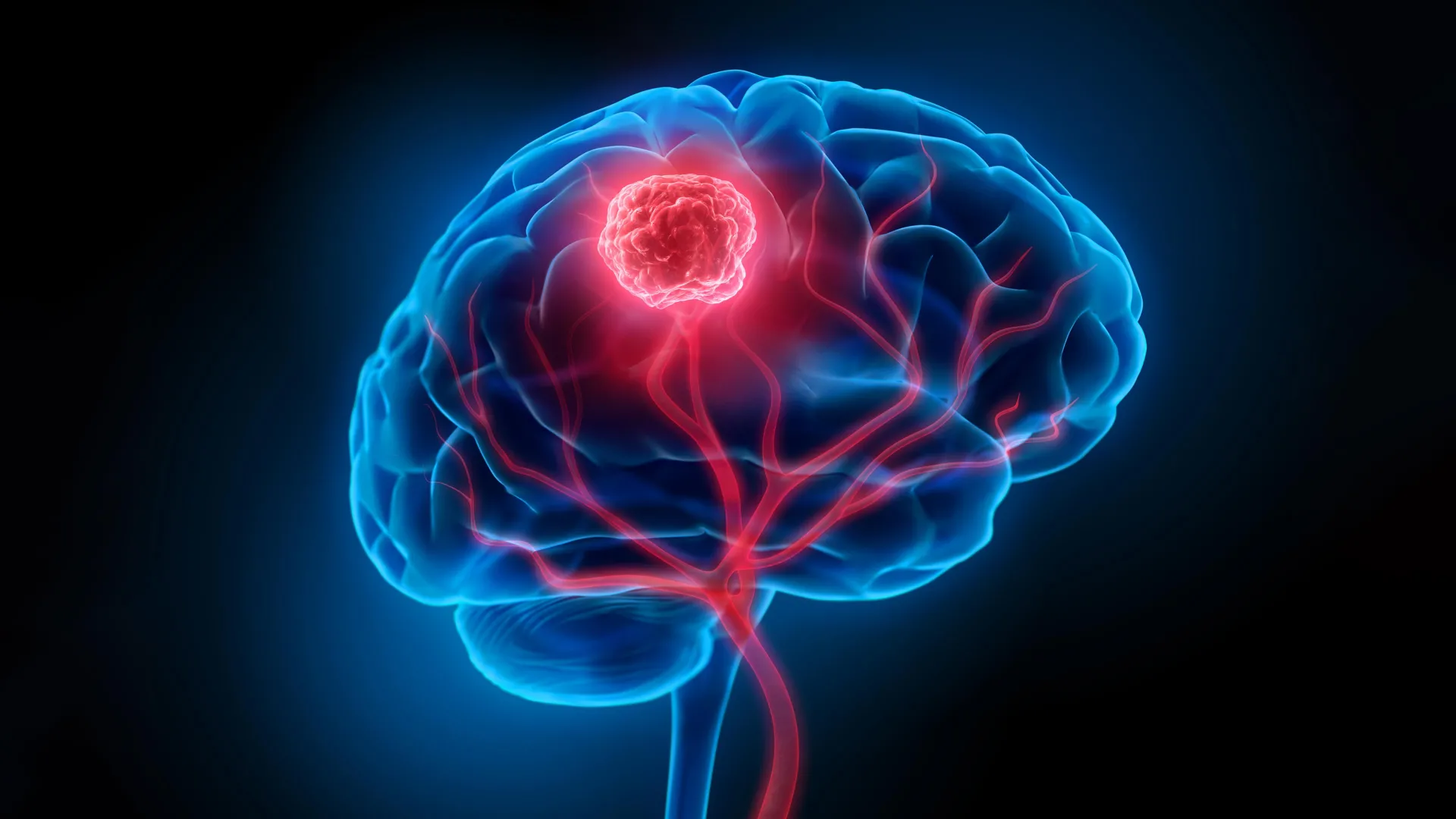
A groundbreaking therapeutic strategy involving a single administration of a specially engineered virus has demonstrated a remarkable capacity to draw cancer-fighting immune cells deep within glioblastoma tumors, maintaining their sustained activity and significantly improving patient survival outcomes. This innovative approach, detailed in a recent publication in the journal Cell, stems from collaborative research conducted by scientists at Mass General Brigham and the Dana-Farber Cancer Institute. The findings illuminate a novel pathway for combating glioblastoma, the most prevalent and aggressive form of primary brain cancer, a disease that has historically proven resistant to many standard immunotherapeutic interventions.
For years, the medical community has grappled with the challenge of effectively deploying the body’s own immune system against glioblastoma. This particular malignancy is characterized as a "cold" tumor, a classification indicating a profound deficiency in the infiltration of immune cells crucial for eradicating cancerous growths. Dr. Kai Wucherpfennig, a co-senior author and Chair of the Department of Cancer Immunology and Virology at Dana-Farber, explained that unlike other cancer types where immunotherapies have revolutionized treatment, glioblastoma’s inherent resistance to immune cell engagement has limited the success of such strategies. However, he emphasized that the recent clinical trial data, coupled with in-depth mechanistic studies, strongly suggests that overcoming this barrier and bringing potent immune cells into the glioblastoma microenvironment is now an achievable objective.
At the heart of this therapeutic breakthrough lies an oncolytic virus, meticulously crafted by Dr. E. Antonio Chiocca, Executive Director of the Center for Tumors of the Nervous System at the Mass General Brigham Cancer Institute. This virus is a modified version of the herpes simplex virus, specifically engineered with the critical characteristic of replicating exclusively within glioblastoma cells. This targeted replication ensures that healthy, non-cancerous tissues remain unharmed, a crucial aspect for minimizing off-target effects and enhancing patient safety.
Once introduced into the tumor, the engineered virus initiates a multi-pronged attack. It directly infects and subsequently destroys glioblastoma cells. As these infected cells lyse, the virus releases progeny that then proceed to infect adjacent cancer cells, perpetuating the destructive cycle. Beyond this direct cytolytic effect, the viral replication process also serves as a powerful immunological signal, effectively alerting and activating the patient’s immune system. A Phase 1 clinical trial, which enrolled 41 individuals diagnosed with recurrent glioblastoma, provided compelling evidence of the therapy’s efficacy. The treatment was associated with a statistically significant increase in survival duration when compared to established historical data for this patient cohort. Notably, the most pronounced therapeutic benefit was observed in patients who already possessed pre-existing antibodies against the virus, hinting at a synergistic interaction between the therapy and the body’s prior immune experience.
To gain a deeper understanding of the intricate mechanisms underpinning this therapeutic success, the research team conducted a comprehensive analysis of tumor tissue samples collected from participants in the clinical trial. Their investigations revealed a sustained and robust presence of immune T cells within the tumor sites following treatment. Furthermore, the study uncovered a direct correlation between the proximity of cytotoxic T cells to dying tumor cells and improved patient survival rates post-therapy. This finding underscores the critical role of active immune cell engagement at the tumor’s frontline in driving a favorable clinical outcome.
The research also indicated that the oncolytic virus therapy not only attracted existing immune cells to the tumor but also demonstrably amplified the number of these cancer-fighting T cells within the brain. This suggests that the therapy fortifies the body’s inherent immune defenses, prompting a more vigorous and sustained anti-tumor response, rather than solely relying on the introduction of novel immune activity. Dr. Chiocca, who also serves as a co-senior author on the study, highlighted the significance of these findings, stating that the observed increase in T cell infiltration, specifically those targeting tumor cells, directly translates into tangible therapeutic advantages for patients battling glioblastoma. He further commented on the profound implications of this discovery for a disease where the standard treatment protocols have remained largely unchanged for the past two decades, signaling a potential paradigm shift in its management.
The study’s authorship includes a multidisciplinary team of researchers: Maxime Meylan, Ye Tian, Lijian Wu, Alexander L. Ling, Daniel Kovarsky, Graham L. Barlow, Linh D. Nguyen, Jason Pyrdol, Sascha Marx, Lucas Westphal, Julius Michel, L. Nicolas Gonzalez Castro, Sydney Dumont, Andres Santos, Itay Tirosh, and Mario L. Suva, in addition to the principal investigators, Wucherpfennig and Chiocca. Their collective efforts have provided critical insights into the potential of oncolytic virotherapy to overcome the immunological challenges posed by aggressive brain cancers, opening new avenues for desperately needed treatment advancements.
The inherent resistance of glioblastoma to immunotherapy is a well-documented phenomenon, largely attributed to the tumor microenvironment’s immunosuppressive characteristics. This environment typically features a low density of tumor-infiltrating lymphocytes (TILs), particularly effector T cells, which are essential for recognizing and destroying cancer cells. The dense extracellular matrix, the presence of immunosuppressive cells like myeloid-derived suppressor cells (MDSCs) and regulatory T cells (Tregs), and the secretion of immunosuppressive cytokines create a formidable barrier that shields the tumor from immune surveillance and attack. Traditional immunotherapies, such as checkpoint inhibitors, which aim to unleash pre-existing anti-tumor immunity, often fall short in glioblastoma precisely because there are insufficient effector T cells present to be "unleashed."
The oncolytic virus therapy described in this research offers a novel solution by directly addressing this critical deficiency. By selectively replicating within glioblastoma cells, the virus not only induces direct tumor cell lysis but also triggers a potent inflammatory response. This inflammatory cascade acts as a beacon, attracting a diverse array of immune cells, including cytotoxic T cells, from the periphery and from within the brain’s existing immune cell populations. The engineered herpes simplex virus, in particular, is designed to express specific viral proteins and also to potentially express immunomodulatory molecules, further enhancing its ability to stimulate an anti-tumor immune response.
The study’s revelation that the therapy promotes a sustained presence of T cells within the tumor is particularly significant. This suggests that the treatment doesn’t just induce a transient immune influx but establishes a more enduring immunological battleground. The finding that T cells positioned closer to dying tumor cells correlate with improved survival further emphasizes the importance of active immune cell engagement. This implies that the virus is not only attracting T cells but is also helping them to effectively infiltrate the tumor parenchyma and engage with their targets.
The implication of boosting existing T cell numbers rather than solely relying on new immune activity is also noteworthy. This could suggest that the virus primes and expands the patient’s endogenous anti-tumor T cell repertoire, potentially leading to a more robust and long-lasting immune memory response. This would be a significant advantage over therapies that might transiently increase immune cell counts without establishing a sustained defense.
The historical context of glioblastoma treatment underscores the urgency and importance of these findings. For decades, the standard of care has primarily revolved around surgical resection, followed by radiation therapy and chemotherapy (temozolomide). While these modalities offer some benefit, the median survival rates have remained discouragingly low, often in the range of 15 months. The inability of conventional treatments to significantly penetrate the blood-brain barrier and the tumor’s inherent resistance to chemotherapy and radiation have contributed to this grim prognosis. The advent of immunotherapies has transformed the landscape for many other cancers, but glioblastoma has largely been left behind. This new oncolytic virus therapy, by effectively breaching the immunological defenses of the glioblastoma microenvironment, represents a beacon of hope for patients and clinicians alike.
The potential implications for the future of brain cancer treatment are vast. If further trials confirm these promising results, oncolytic virotherapy could become a cornerstone of glioblastoma treatment, potentially used in combination with existing therapies to enhance their efficacy. The ability to engineer viruses with specific targeting capabilities and immunomodulatory functions opens up a wide array of possibilities for developing personalized and highly effective cancer treatments. Future research will likely focus on optimizing viral vectors, understanding the precise molecular interactions between the virus, tumor cells, and immune cells, and exploring combinations with other therapeutic agents to further improve outcomes for patients facing this devastating disease. The journey from laboratory discovery to clinical application is often long and complex, but the findings presented by the Mass General Brigham and Dana-Farber Cancer Institute teams offer a compelling glimpse into a future where even the most aggressive brain cancers may become treatable.
About the Author