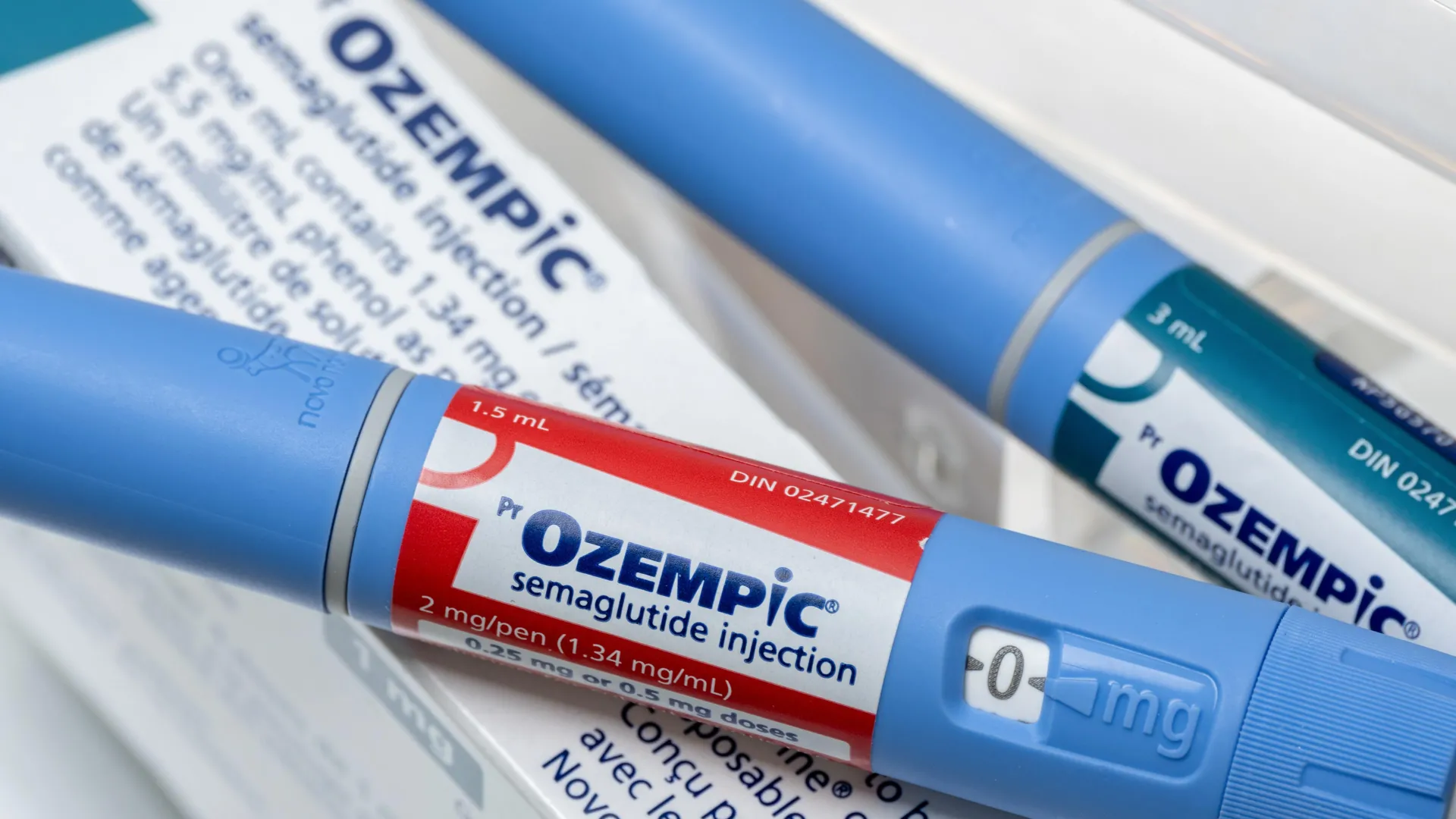
A groundbreaking investigation has illuminated a previously unrecognized benefit of medications targeting the GLP-1 receptor, suggesting these agents, widely recognized for their efficacy in weight management, may also play a crucial role in mitigating cardiac damage following a heart attack. This extensive research, spearheaded by a collaborative effort between scientists at the University of Bristol and University College London (UCL), indicates that these pharmacological interventions could significantly diminish the likelihood of severe post-myocardial infarction complications, a condition that affects a substantial proportion of individuals who have experienced a cardiac event. The implications of these findings, meticulously detailed in the esteemed scientific journal Nature Communications, point towards a paradigm shift in the post-heart attack recovery landscape, proposing GLP-1 receptor agonists as a potent new therapeutic strategy.
The established cardiovascular benefits of GLP-1 receptor agonists are not entirely novel; prior research had already underscored their capacity to reduce the incidence of major cardiac adverse events. Intriguingly, these protective effects appear to be largely independent of an individual’s pre-existing comorbidities or the extent of weight loss achieved during treatment, underscoring a direct physiological action on the cardiovascular system. This latest research delves deeper into the intricate biological mechanisms underpinning this cardioprotection, seeking to elucidate precisely how these medications safeguard cardiac tissue.
At the core of this investigation lies an examination of pericytes, specialized contractile cells that play a pivotal role in regulating the diameter of coronary capillaries. Earlier scientific inquiry had established that during periods of ischemia, characterized by a critical reduction in oxygenated blood supply to the heart muscle, these pericytes undergo contraction, leading to the narrowing of these vital microvessels. The current study was designed to rigorously test the hypothesis that GLP-1 receptor agonists could actively counteract this detrimental process, thereby facilitating the reopening of these constricted vessels and restoring adequate blood flow.
Dr. Svetlana Mastitskaya, a Senior Lecturer in Cardiovascular Regenerative Medicine at Bristol Medical School: Translational Health Sciences (THS) and the lead author of the study, elaborated on the clinical significance of her team’s findings. She explained that in a considerable number of heart attack survivors, specifically impacting nearly half of all patients, the intricate network of tiny blood vessels within the cardiac muscle remains narrowed, even after successful emergency interventions to clear the primary blocked artery. This persistent microvascular dysfunction gives rise to a complex condition known as ‘no-reflow.’ This phenomenon signifies a critical failure of blood to adequately perfuse certain regions of the heart tissue, leading to ongoing ischemia and cellular damage.
"Our foundational research had already demonstrated that this persistent narrowing of coronary microvasculature is a significant contributor to the ‘no-reflow’ phenomenon," Dr. Mastitskaya stated. "This complication, in turn, escalates the risk of mortality or rehospitalization due to heart failure within the first year following a heart attack. However, the outcomes of our most recent investigation are particularly striking, as they reveal a potent ability of GLP-1 receptor agonists to prevent the very occurrence of this problematic ‘no-reflow’ state."
The experimental phase of this research involved sophisticated investigations utilizing animal models to meticulously assess the impact of GLP-1 receptor agonists on cardiac blood flow in the aftermath of a heart attack. These preclinical trials unequivocally demonstrated that administration of these drugs significantly enhanced blood flow within the compromised heart. The underlying mechanism appears to involve the activation of specific potassium channels. This activation triggers a cascade of events leading to the relaxation of pericytes, consequently causing the previously constricted blood vessels to dilate. The net effect is a marked improvement in the delivery of oxygenated blood to the heart tissue, thereby substantially reducing the extent of further ischemic injury.
Professor David Attwell, the Jodrell Professor of Physiology at UCL and a co-lead investigator on the study, emphasized the profound translational potential of these discoveries. "Given the escalating widespread adoption of a diverse array of GLP-1 receptor agonist medications in contemporary clinical practice – encompassing their established utility in managing conditions such as type 2 diabetes, obesity, and even certain kidney diseases – our findings carry immense weight," Professor Attwell remarked. "They powerfully underscore the compelling possibility of repurposing these already available and well-tolerated drugs. By leveraging their known pharmacological properties, we can potentially offer a life-saving intervention for heart attack patients susceptible to the ‘no-reflow’ complication, thereby enhancing their long-term prognosis and quality of life."
The research that culminated in these significant findings was generously supported by funding from the British Heart Foundation, an organization dedicated to advancing cardiovascular research and patient care. This collaborative endeavor represents a crucial step forward in understanding and combating the devastating consequences of heart attacks, offering a beacon of hope for improved patient outcomes through innovative drug repurposing. The study’s meticulous methodology and the robust nature of its results provide a strong foundation for future clinical trials aimed at validating these promising cardioprotective effects in human heart attack patients.
About the Author