
A significant breakthrough in the fight against Alzheimer’s disease is on the horizon, as a panel of international experts has identified three readily available medications, currently prescribed for other ailments, that exhibit substantial promise for either preventing or treating this devastating neurodegenerative condition. Rather than embarking on the arduous and time-consuming process of developing entirely new therapeutic agents from the ground up, this research initiative focused on scrutinizing existing pharmaceuticals to ascertain their potential neuroprotective capabilities. This strategic approach to drug discovery, known as repurposing, offers a potentially more expedited and cost-effective pathway to new treatments for a disease that currently lacks a cure.
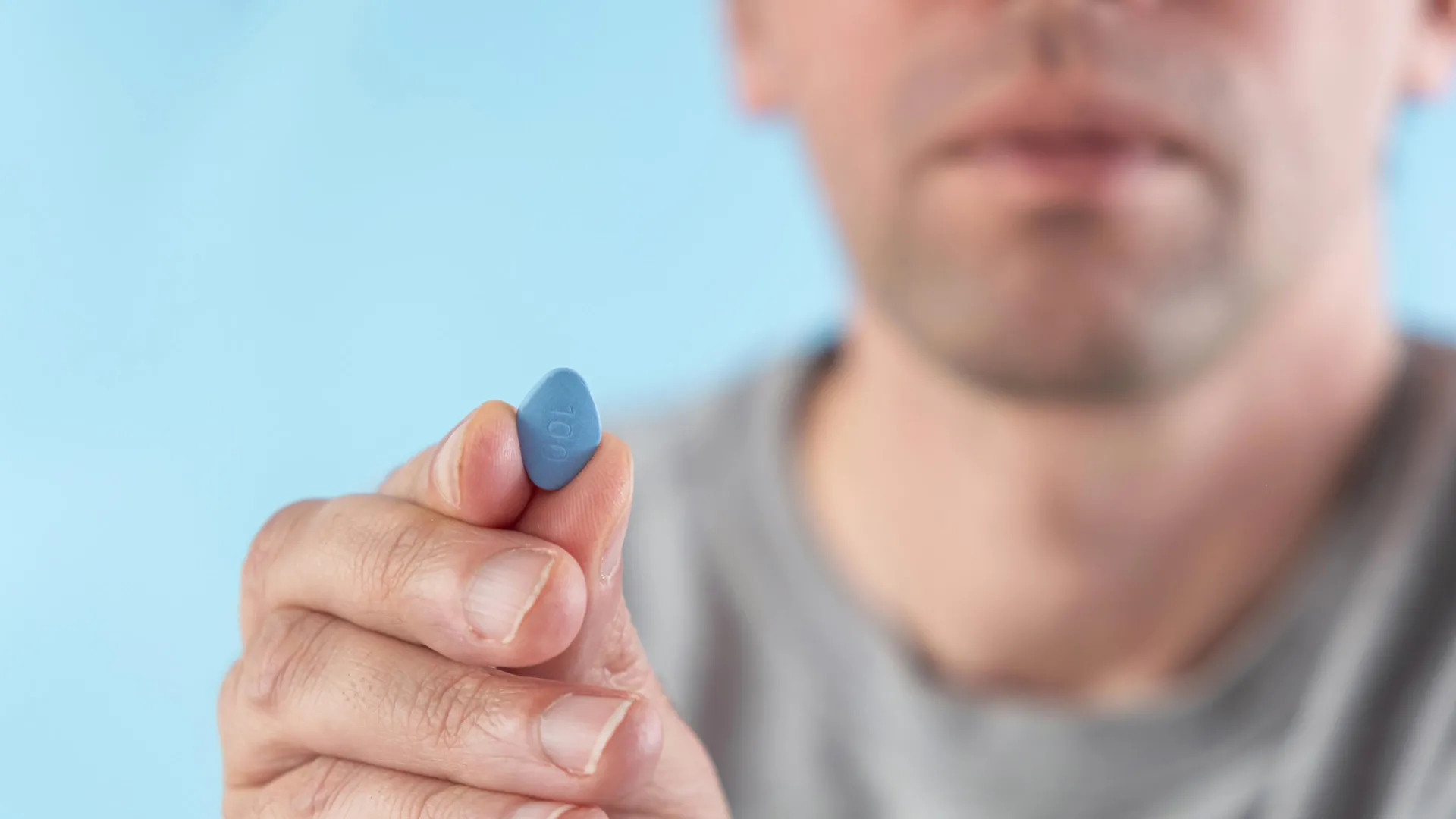
The investigation, which received crucial funding from the Alzheimer’s Society and was spearheaded by a research team at the University of Exeter, yielded its findings in the esteemed journal Alzheimer’s Research and Therapy. Within the extensive catalog of reviewed medications, a vaccine developed to combat shingles emerged as the leading contender, demonstrating the most compelling evidence for efficacy. Alongside this, sildenafil, commonly recognized by its brand name Viagra and primarily used to treat erectile dysfunction, and riluzole, a drug prescribed for amyotrophic lateral sclerosis (ALS), also presented potent potential in preclinical assessments.
The imperative for exploring drug repurposing in the context of dementia cannot be overstated. In the United Kingdom, dementia stands as the foremost cause of mortality, impacting an estimated one million individuals, with projections indicating that one in three individuals born today will confront this condition within their lifetime. The development of novel pharmaceuticals is an inherently protracted and financially demanding undertaking, typically spanning a decade to fifteen years and incurring costs in the billions of pounds, all without any guarantee of success. Consequently, the strategic reapplication of medicines that have already undergone rigorous testing, regulatory approval, and widespread clinical use presents a considerably swifter, more secure, and economically viable route toward discovering effective Alzheimer’s interventions. This groundbreaking work was further bolstered by the financial and logistical support of esteemed institutions, including the National Institute for Health and Care Research (NIHR), the Exeter Biomedical Research Centre, and the NIHR HealthTech Research Centre in Brain Health, underscoring the collaborative and multi-faceted nature of this critical research.
The selection process for identifying these top Alzheimer’s candidates involved a comprehensive evaluation by an international consortium comprising 21 dementia specialists. These experts, drawn from diverse academic institutions, healthcare facilities, and the pharmaceutical sector, collaborated with individuals directly affected by dementia to scrutinize a remarkable 80 existing medications. Their collective objective was to pinpoint those drugs exhibiting the most significant potential to either combat the progression of Alzheimer’s disease, which is responsible for over half of all diagnosed dementia cases, or to offer preventative benefits.
Following multiple rigorous rounds of deliberation and assessment, the expert panel reached a consensus, designating three specific drugs as ‘priority candidates’ for subsequent, more in-depth investigation. The rationale behind each selection was multifaceted, encompassing the drug’s demonstrated capacity to interact with biological pathways implicated in the pathogenesis of Alzheimer’s, encouraging preliminary outcomes observed in both in vitro cell cultures and animal models, and a well-established safety profile, particularly in older adult populations.
Among the three identified drugs, the shingles vaccine garnered particular attention and is now considered the candidate with the strongest signal for therapeutic potential. This vaccine is administered in a minimal course of no more than two doses and boasts an extensive history of proven safety. Intriguingly, prior observational studies have suggested a correlation between vaccination against shingles and a reduced incidence of dementia, with vaccinated individuals appearing approximately 16% less likely to develop the condition. Researchers are now actively pursuing the establishment of a large-scale clinical trial within the United Kingdom to rigorously assess the efficacy of the shingles vaccine in individuals diagnosed with Alzheimer’s or those at heightened risk of its development. This proposed trial intends to leverage the PROTECT initiative, an innovative online registry that facilitates participant engagement through annual health and lifestyle questionnaires and their involvement in brain health research, thereby enabling robust data collection and analysis.
While the shingles vaccine emerged as the frontrunner, five additional medications were also identified as worthy of consideration and were placed on a shortlist. However, these drugs did not ultimately meet the stringent criteria to be classified as ‘priority candidates’ for immediate further investigation. This secondary group included fingolimod, a medication used in the management of multiple sclerosis; vortioxetine, an antidepressant; microlithium, also prescribed for depression; dasatinib, a tyrosine kinase inhibitor employed in the treatment of certain types of leukemia; and cytisine, a natural alkaloid historically used in anesthetic practices. Although these drugs did not advance to the highest tier of recommendation, their inclusion on the shortlist indicates that they possess certain characteristics that warranted their initial evaluation.
Leading researchers in the field have emphasized the critical need for caution and the absolute necessity of conducting robust clinical trials before any definitive conclusions can be drawn regarding the utility of these repurposed drugs. Dr. Anne Corbett, a distinguished Professor of Dementia Research at the University of Exeter, articulated this sentiment, stating, "Combating dementia necessitates exploring every conceivable avenue of research, from leveraging our existing knowledge base to the discovery of entirely new therapeutic agents designed to treat and prevent the condition." She further elaborated on the significance of drug repurposing, describing it as "a vital component of this comprehensive strategy, enabling us to transform current medicines designed for one ailment into future treatments for another." Dr. Corbett stressed the importance of further investigation, asserting, "It is crucial to underscore that these drugs require extensive validation before we can ascertain their efficacy in treating or preventing Alzheimer’s. We now need to witness the results of well-designed clinical trials to fully comprehend their true therapeutic value and confirm their effectiveness in this context."
Echoing this sentiment, Professor Fiona Carragher, Chief Policy and Research Officer at the Alzheimer’s Society, highlighted the profound impact of dementia on individuals and families, expressing a strong belief in the power of research to overcome it. She drew a compelling parallel to the historical repurposing of aspirin, a drug initially recognized for its pain-relieving properties and later found to play a role in reducing the risk of heart attack and stroke. Professor Carragher articulated her aspiration to witness similar transformative developments within the realm of dementia research, underscoring why she views drug repurposing as one of the most electrifying and promising frontiers in the ongoing battle against this debilitating disease.
About the Author












