
A comprehensive scientific endeavor has identified three readily available pharmaceutical agents, initially developed for unrelated medical conditions, that exhibit significant potential for both the prevention and therapeutic management of Alzheimer’s disease. This innovative approach bypasses the protracted and prohibitively expensive process of de novo drug discovery by scrutinizing the efficacy of existing, approved medications in safeguarding brain health and combating neurodegenerative processes.
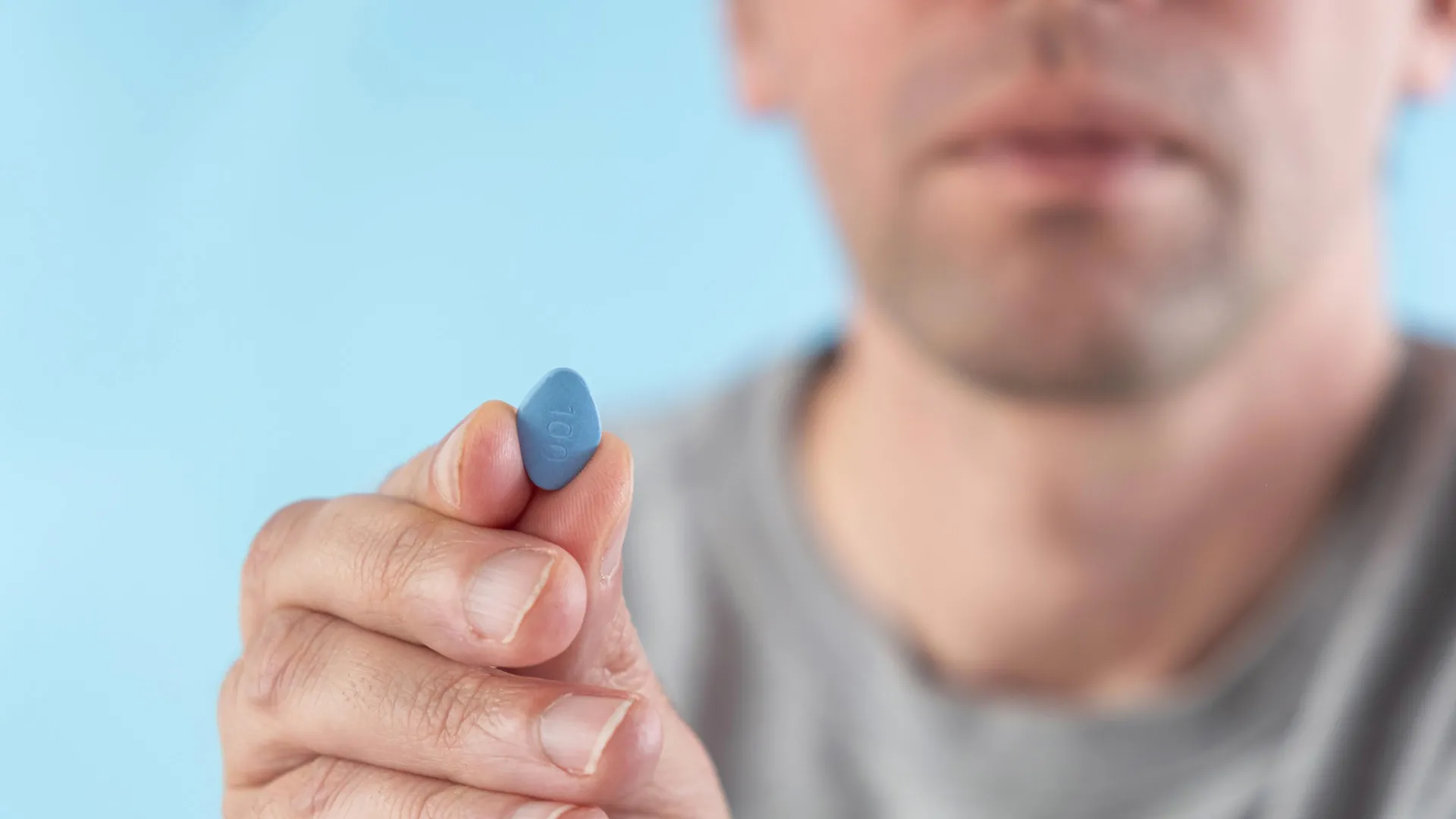
The groundbreaking research, spearheaded by the University of Exeter and generously supported by the Alzheimer’s Society, has culminated in findings published in the esteemed journal Alzheimer’s Research and Therapy. Within the extensive pharmacopoeia examined, a vaccine formulated to combat herpes zoster, commonly known as shingles, emerged as the leading contender. Furthermore, sildenafil, widely recognized under the brand name Viagra for its erectile dysfunction treatment properties, and riluzole, a drug prescribed for amyotrophic lateral sclerosis (ALS), also demonstrated compelling therapeutic promise in preliminary assessments.
The imperative for drug repurposing in the realm of dementia research cannot be overstated, particularly given its status as the leading cause of mortality in the United Kingdom, impacting an estimated one million individuals. Projections indicate that a staggering one in three individuals born today will confront a dementia diagnosis during their lifetime, yet a definitive cure remains elusive, underscoring the urgent need for accelerated therapeutic development. The conventional pathway for bringing a new drug to market is a formidable undertaking, typically spanning a decade to fifteen years and demanding billions of pounds in investment, with no assurance of successful clinical outcomes. Consequently, the strategic repurposing of established, safe, and widely utilized medications presents a considerably more expeditious, cost-effective, and potentially less risky route to novel Alzheimer’s treatments. This vital research also received crucial backing from the National Institute for Health and Care Research (NIHR), the Exeter Biomedical Research Centre, and the NIHR HealthTech Research Centre in Brain Health, further solidifying its collaborative and well-supported foundation.
The rigorous selection process for these top Alzheimer’s candidates involved an international consortium of twenty-one distinguished dementia specialists. These experts, drawn from academic institutions, clinical settings, and the pharmaceutical sector, collaborated closely with individuals who have direct experience with dementia. Their collective task was to meticulously evaluate a substantial inventory of eighty existing medications, with the overarching objective of identifying those agents exhibiting the most profound potential to either treat or prevent Alzheimer’s disease, a condition responsible for over half of all diagnosed dementia cases.
Following multiple intensive review phases, the expert panel reached a consensus, designating three specific medications as "priority candidates" warranting further in-depth investigation. The selection criteria for these drugs were multifaceted and stringent: each candidate had to demonstrably target key biological pathways implicated in the pathogenesis of Alzheimer’s disease, exhibit encouraging preliminary results in both laboratory cell cultures and animal models, and possess a well-established safety profile, particularly for administration to older adult populations.
Among the triumvirate of identified drugs, the shingles vaccine garnered particular attention and is currently considered the most promising avenue for future clinical exploration. This vaccine boasts a favorable administration regimen, typically requiring no more than two doses, and benefits from a long and well-documented history of safety and efficacy. Compelling evidence from prior epidemiological studies suggests a notable correlation, with individuals who received the shingles vaccine demonstrating approximately a 16% reduced likelihood of developing dementia. Researchers are actively pursuing the initiation of a large-scale clinical trial within the United Kingdom to rigorously assess the therapeutic benefits of the shingles vaccine in individuals diagnosed with Alzheimer’s or those at elevated risk of its onset. This proposed trial intends to leverage the PROTECT initiative, an innovative online platform that facilitates participant engagement through annual health and lifestyle questionnaires and the collection of crucial data for brain health research.
Beyond the leading shingles vaccine candidate, five additional pharmaceutical agents were identified as worthy of consideration and were shortlisted following the initial evaluation. However, these medications did not ultimately meet the stringent criteria to be classified as "priority candidates." This group included fingolimod, a medication primarily used in the management of multiple sclerosis (MS); vortioxetine, an antidepressant medication; microlithium, another agent prescribed for depression; dasatinib, a tyrosine kinase inhibitor used in the treatment of certain leukemias; and cytisine, a naturally occurring alkaloid used as a smoking cessation aid, often administered in anesthetic contexts.
Leading researchers are advocating for a measured and evidence-based approach, emphasizing the critical need for robust clinical trials to validate the potential of these repurposed drugs. Dr. Anne Corbett, a distinguished Professor of Dementia Research at the University of Exeter, articulated the multifaceted nature of dementia research, stating, "Beating dementia will take every avenue of research — from using what we already know, to discovering new drugs to treat and prevent the condition. Drug repurposing is a vital part of that mix, helping us turn today’s medicine for one condition, into tomorrow’s treatment for another. It’s important to stress that these drugs need further investigation before we will know whether they can be used to treat or prevent Alzheimer’s. We now need to see robust clinical trials to understand their true value and know for certain if they are effective to treat or prevent Alzheimer’s."
Echoing this sentiment, Professor Fiona Carragher, Chief Policy and Research Officer at the Alzheimer’s Society, highlighted the transformative power of research in combating the devastating impact of dementia. She remarked, "Dementia devastates lives, but we believe research will beat it. Years ago, we saw aspirin being repurposed from being a painkiller to helping people reduce their risk of heart attack or stroke. This is what we want to see in the field of dementia, and why we believe drug repurposing is one of the most exciting frontiers in dementia research." This perspective underscores the historical precedent and immense potential of drug repurposing as a strategic imperative in the ongoing global effort to find effective interventions for Alzheimer’s disease and other forms of dementia. The strategic identification and rigorous testing of these existing medications represent a beacon of hope, promising a more accessible and efficient pathway towards tangible improvements in patient care and outcomes.
About the Author












