
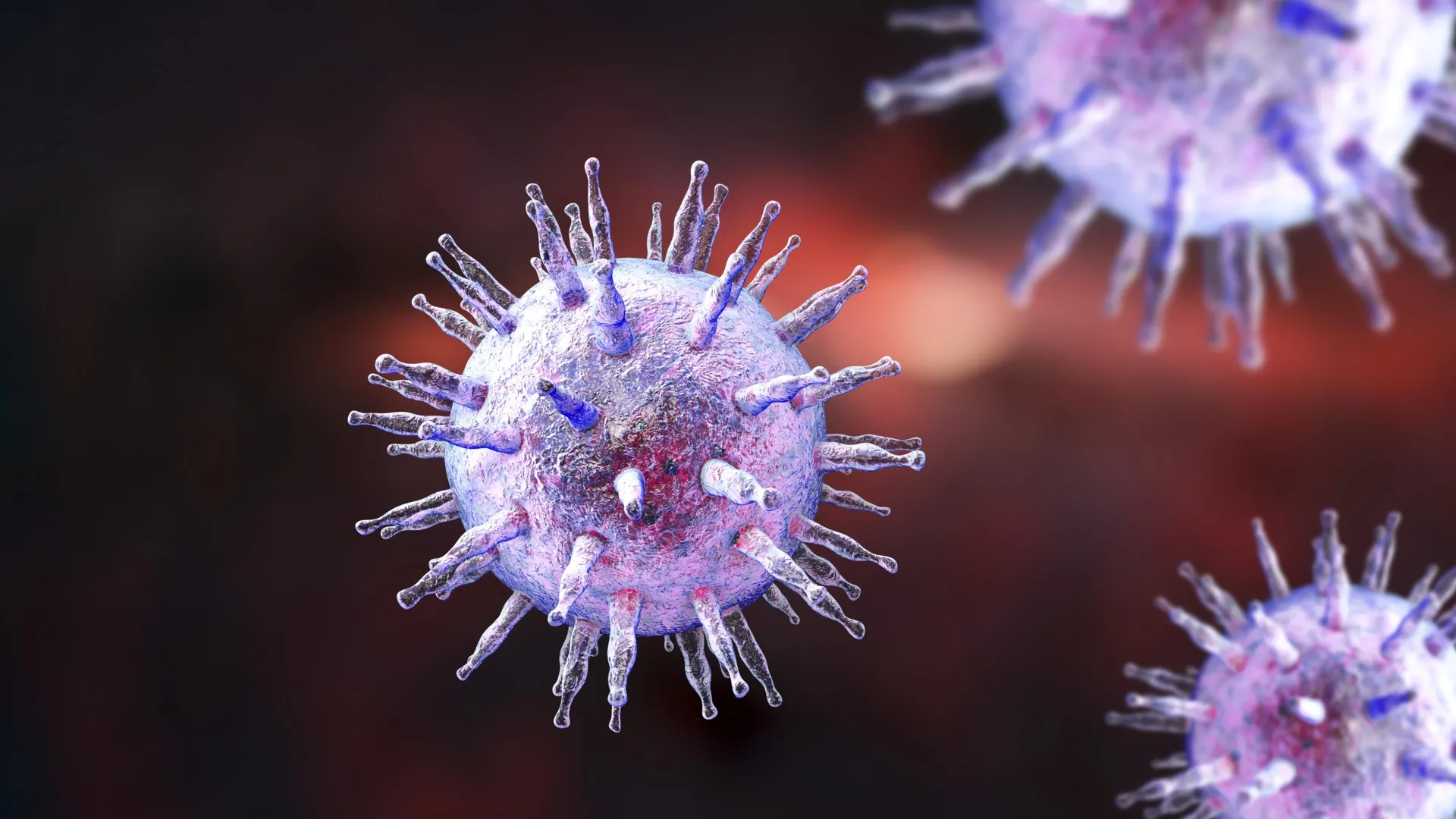
Scientists at the Fred Hutch Cancer Center have achieved a significant breakthrough in the protracted quest to neutralize the Epstein-Barr virus (EBV), a ubiquitous pathogen that infects an estimated 95% of the global population and has been implicated in a range of serious health issues, including certain cancers and neurodegenerative diseases. This pioneering work, detailed in the latest issue of Cell Reports Medicine, centers on the development of novel monoclonal antibodies designed to thwart EBV’s ability to infiltrate human immune cells, a critical step toward developing effective preventative or therapeutic interventions.
The research team engineered a specialized mouse model capable of generating human antibodies, a crucial innovation that allowed them to meticulously design and test new antibody candidates. This sophisticated approach yielded a series of monoclonal antibodies specifically engineered to target the virus’s mechanisms for cellular entry. In rigorous testing, one of these newly developed antibodies demonstrated a remarkable capacity to completely avert EBV infection in mice possessing human-like immune systems when exposed to the virus, signaling a profound advancement in the fight against this widespread infection.
Historically, developing effective antibody-based treatments for EBV has presented considerable challenges. "Unlike many other viruses, EBV possesses a remarkable ability to evade immune defenses by binding to virtually all of our B cells, the very cells it aims to infect," explained Andrew McGuire, PhD, a distinguished biochemist and cellular biologist within Fred Hutch’s Vaccine and Infectious Disease Division. "This inherent evasiveness made the identification of human antibodies capable of blocking EBV infection exceptionally difficult. We were driven to leverage cutting-edge technologies to bridge this knowledge gap, and our efforts have culminated in a crucial stride toward neutralizing one of the most prevalent viruses on Earth."
A central impediment in the development of EBV-targeting therapies has been the identification of antibodies that can effectively block viral entry without inadvertently triggering an adverse immune response within the host. This challenge is particularly pronounced with antibodies derived from non-human sources, which can often be recognized as foreign by the human immune system. To circumvent this, the researchers strategically focused their attention on two pivotal viral proteins: gp350 and gp42. The gp350 protein serves as an initial anchor, facilitating the virus’s attachment to the surface of human cells, while the gp42 protein plays a crucial role in the subsequent fusion and entry of the virus into these cells.
By employing their advanced mouse model, the scientists successfully identified a collection of potent antibodies. Their investigations pinpointed two distinct monoclonal antibodies that effectively target the gp350 protein and an additional eight that demonstrate efficacy against the gp42 protein. This comprehensive identification process has provided invaluable insights into the viral machinery that EBV utilizes for infection.
"Beyond the discovery of significant antibodies against Epstein-Barr virus, our work has also validated an innovative and novel methodology for identifying protective antibodies against a broad spectrum of pathogens," commented Crystal Chhan, a pathobiology PhD student actively involved in the McGuire Lab. "As an early-career scientist, this discovery has been incredibly rewarding, reinforcing my understanding of how scientific inquiry often leads to unforeseen yet profoundly impactful findings."
Further in-depth analysis, generously supported by Fred Hutch’s Antibody Tech Core, has illuminated specific vulnerabilities within the EBV structure. These identified "weak points" on the virus are anticipated to serve as critical guides for the future design of highly effective EBV vaccines. In the culmination of their experimental testing, one of the gp42-targeting antibodies proved capable of providing complete protection against EBV infection, while a gp350-targeting antibody offered a significant degree of partial protection, underscoring the differential roles of these viral proteins in the infection process.
The potential implications of this research are particularly profound for individuals undergoing solid organ or bone marrow transplants. Each year in the United States alone, well over 128,000 people receive such life-saving procedures. A common consequence of these transplants is the necessity for immunosuppressive drug regimens, which, while vital for preventing organ rejection, can inadvertently create an environment where latent EBV infections reactivate or spread unchecked. Currently, there exists a significant void in targeted therapies designed to prevent such EBV-related complications in this vulnerable patient population.
A particularly grave concern for transplant recipients is the development of post-transplant lymphoproliferative disorders (PTLD). PTLD is a serious, and sometimes life-threatening, form of lymphoma that can arise following transplantation, most frequently driven by uncontrolled EBV activity. "PTLD, the majority of which are EBV-associated lymphomas, represents a frequent cause of significant morbidity and mortality in the post-organ transplantation period," stated Rachel Bender Ignacio, MD, MPH, an associate professor and infectious disease physician affiliated with both Fred Hutch and the University of Washington School of Medicine. "The ability to prevent EBV viremia holds immense promise for substantially reducing the incidence of PTLD and mitigating the need to reduce immunosuppression, thereby aiding in the preservation of graft function and ultimately enhancing overall patient outcomes. The development of an effective strategy for preventing EBV viremia remains a critical unmet medical need within the field of transplant medicine."
The transmission of EBV to transplant recipients can occur through various routes. Donor organs themselves may harbor a latent form of the virus, which can then be transmitted to the recipient. In other cases, individuals who have previously been infected with EBV may experience reactivation of the virus under the pressure of immunosuppressive therapy, leading to its multiplication within the body. Children undergoing transplantation are considered particularly susceptible, as many have not yet encountered EBV prior to their procedure, leaving them entirely vulnerable to primary infection and its potential sequelae.
Looking toward the future, the research team envisions a paradigm shift in EBV management, where these newly developed monoclonal antibodies could be administered prophylactically. Such an approach, delivered via infusion, could serve to prevent initial EBV infection or preempt reactivation, particularly in individuals identified as being at high risk. By intervening early in the viral lifecycle and effectively blocking its entry into host cells, this therapeutic strategy holds the potential to avert the development of PTLD and a host of other serious EBV-related complications.
Fred Hutch has taken proactive steps to protect its intellectual property related to the novel antibodies identified in this study. Dr. McGuire and Ms. Chhan are actively engaged in collaborative efforts with both academic colleagues and an industry partner to accelerate the translation of this promising research from the laboratory bench to clinical application. The subsequent phases of development are anticipated to include comprehensive safety testing in healthy adult volunteers, followed by rigorous clinical trials designed to evaluate the efficacy and safety of the antibody therapy in patient populations most vulnerable to EBV-related complications.
"There is a palpable sense of momentum driving our discovery forward towards a therapeutic intervention that could profoundly improve the lives of transplant patients," Dr. McGuire expressed with optimism. "After years of dedicated investigation in pursuit of a viable means to protect against Epstein-Barr virus, this represents a truly significant advancement for the scientific community and, most importantly, for individuals who face the greatest risk of severe complications from this pervasive virus."
About the Author












