The global burden of cancer, a multifaceted disease that eludes straightforward therapeutic interventions, continues to drive the search for innovative treatment modalities. A significant stride in this pursuit has been illuminated by research published on March 17th in the esteemed open-access journal PLOS Biology. A collaborative effort led by Tianyu Jiang at Shandong University in Qingdao, China, has demonstrated the potential of genetically modified probiotic bacteria to act as sophisticated delivery systems for potent anticancer agents, specifically targeting malignant growths in preclinical models.
The intricate relationship between the human microbiome and overall health is a well-established area of scientific inquiry, with growing interest in harnessing these microbial communities for therapeutic purposes. While the concept of employing bacteria as cancer fighters is gaining traction, the definitive efficacy and safety of such approaches remain subjects of ongoing investigation. This latest study ventures into this burgeoning field by focusing on Escherichia coli Nissle 1917 (EcN), a well-characterized probiotic strain known for its gut-health benefits, and re-imagining its capabilities for oncological applications.
At the core of this research lies the intricate process of genetic and genomic engineering. The scientists meticulously modified the EcN strain to equip it with the machinery necessary to synthesize Romidepsin (also known as FK228), a clinically recognized pharmaceutical agent with established antineoplastic properties. This involved a precise manipulation of the bacterial genome, enabling the microbes to serve as living factories, capable of producing this powerful chemotherapy drug intrinsically. This innovative strategy bypasses the need for direct administration of the drug, instead relying on the engineered bacteria to generate it in situ.
To rigorously assess the therapeutic potential of these bioengineered microbes, the researchers established a meticulously controlled experimental setup. They developed a preclinical murine model, introducing human breast cancer tumor cells to induce tumor formation. Subsequently, these tumor-bearing mice were administered the genetically modified EcN bacteria. This experimental design was crucial for evaluating the bacteria’s ability to navigate the host’s biological environment, locate the cancerous tissue, and exert its therapeutic effect.
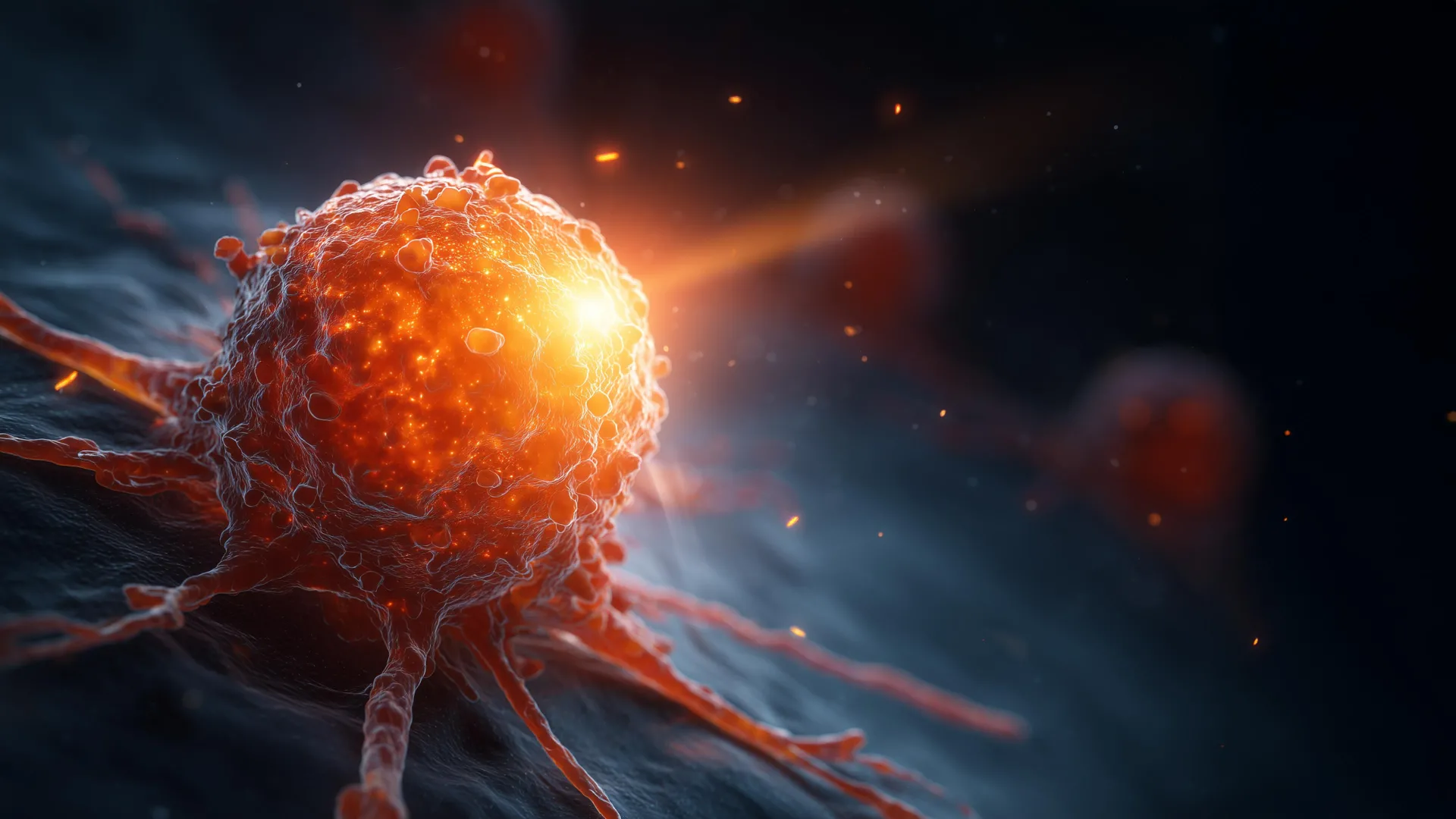
A pivotal finding from the experiments was the remarkable capacity of the engineered EcN to colonize tumor sites. This preferential accumulation within the neoplastic environment is a critical attribute, as it allows for the localized release of the therapeutic payload. The research demonstrated that under various experimental conditions, both in vitro in laboratory settings and in vivo within the living animal models, the modified EcN bacteria consistently congregated within the tumors. This localization facilitated the targeted delivery of Romidepsin FK228 precisely where it was needed most, minimizing systemic exposure and potentially reducing off-target effects. This mechanism transforms the bacteria into a sophisticated, self-navigating drug delivery vehicle, directly addressing the challenge of delivering therapeutic agents to inaccessible or resistant tumor microenvironments.
The implications of this targeted delivery system are far-reaching. By concentrating the cytotoxic drug at the tumor site, the engineered bacteria can potentially enhance therapeutic efficacy while mitigating the dose-limiting toxicities often associated with conventional chemotherapy. This approach represents a paradigm shift from systemic drug administration to a more localized and biologically mediated therapeutic strategy. The bacteria, in essence, act as microscopic pharmacists, dispensing their potent cargo directly to the diseased cells.
However, the scientific community acknowledges that this promising development, while groundbreaking, is still in its nascent stages. The research has, thus far, been confined to preclinical models, and the transition to human clinical trials represents a significant hurdle. Extensive further investigation is warranted to fully understand the safety profile of these engineered microbes in human subjects. Crucial considerations include the potential for unintended immune responses, the long-term fate of the bacteria within the human body, and the development of robust strategies for their safe and effective clearance following the completion of treatment. These factors will undoubtedly play a decisive role in determining the ultimate clinical utility of engineered EcN as a viable cancer therapy.
The research team articulated their findings with considerable optimism, highlighting the dual-action nature of this therapeutic strategy. They posited that Escherichia coli Nissle 1917, by virtue of its inherent capacity for tumor colonization, synergizes effectively with the potent anticancer activity of Romidepsin. This synergistic interplay creates a comprehensive, bacteria-assisted approach to cancer treatment. Their statement emphasized the potential for designing bacteria-based therapies that facilitate both the endogenous biosynthesis of small-molecule anticancer agents and their targeted delivery. The established foundation from their murine model studies provides a robust framework for future engineering of bacteria capable of producing and delivering such therapeutic compounds, thereby opening new avenues for advancement in the field of cancer therapeutics.
The concept of a "dual-action cancer therapy" encapsulates the unique advantages offered by this innovative approach. The engineered bacteria not only serve as a delivery platform but also contribute actively to the therapeutic outcome through their intrinsic biological properties and their capacity to generate a powerful chemotherapeutic agent. This integrated strategy aims to maximize the destructive impact on cancer cells while minimizing collateral damage to healthy tissues, a critical goal in the ongoing battle against cancer. The ability of the bacteria to home in on tumor sites, coupled with the potent cytotoxic effects of Romidepsin, presents a compelling strategy for overcoming some of the inherent limitations of current cancer treatments. This research underscores the growing appreciation for the therapeutic potential harbored within the microbial world and the power of genetic engineering to unlock it for human benefit.
About the Author