A recent scientific investigation has brought to light a potential, previously unrecognized risk associated with the regular consumption of high-dose antioxidant supplements, suggesting that such practices might inadvertently influence the developmental trajectory of offspring. While antioxidants have long been lauded for their purported protective qualities against a spectrum of ailments, from chronic diseases to the ravages of aging, this new body of work, originating from the Texas A&M College of Veterinary Medicine and Biomedical Sciences (VMBS), indicates that an overabundance of these compounds could precipitate adverse outcomes. Specifically, the study’s findings point towards alterations in sperm DNA and an increased probability of developmental anomalies in offspring, with a particular emphasis on craniofacial structures.
The research, meticulously detailed in the esteemed journal Frontiers in Cell and Developmental Biology, was spearheaded by Dr. Michael Golding and his dedicated team, who employed mouse models to scrutinize the effects of two frequently utilized antioxidants: N-acetyl-L-cysteine (NAC) and selenium (Se). The experimental design involved administering these antioxidants to male mice over a six-week period. Upon maturation, the progeny born to these supplemented fathers exhibited discernible modifications in their skull and facial morphology. Intriguingly, the male mice themselves, the direct recipients of the antioxidant regimen, displayed no outward signs of compromised health or physiological distress, underscoring the nuanced and potentially indirect nature of the observed effects. This critical distinction between the fathers’ health and the offspring’s development raises significant questions regarding the implications of excessive antioxidant intake, particularly for men contemplating fatherhood.
The pervasive presence of compounds like NAC in widely available dietary supplements, including many common multivitamins, underscores the broad relevance of these findings. These supplements are frequently incorporated into daily routines with the express purpose of mitigating oxidative stress, a cellular imbalance that can be exacerbated by various lifestyle factors, including substantial alcohol consumption. Dr. Golding’s laboratory has maintained a long-standing research focus on the intricate ways in which paternal alcohol intake can impact fetal development. Prior investigations conducted by his team had already established a correlation between heavy drinking in males and a constellation of developmental challenges in their offspring, notably craniofacial abnormalities. It was against this backdrop of established knowledge that the current research sought to explore whether the supplementation of NAC or selenium could serve as a protective measure against these alcohol-induced developmental deficits.
"We understood that alcohol contributes to oxidative stress, and our initial hypothesis was that introducing a supplement known for its oxidative stress-reducing properties might offer a counteracting effect," explained Dr. Golding, a distinguished professor within the VMBS Department of Veterinary Physiology and Pharmacology. "However, our findings took an unexpected turn when we observed that offspring born to males who had only received NAC were manifesting distinct differences in their skull and facial features. This was surprising, given that NAC is almost universally regarded as a beneficial compound." He further elaborated on the underlying rationale, stating, "Upon reflection, the phenomenon began to make sense. While individuals often take multivitamins to ensure nutritional balance, a situation arises where the very supplement intended to restore equilibrium, when taken in excessive doses, can itself create an imbalance, leading to unintended consequences."
The scientific literature already contains evidence suggesting that exceptionally high levels of antioxidant consumption can yield detrimental effects in other physiological contexts. For instance, previous studies have documented that supra-physiological antioxidant intake can attenuate the positive adaptations associated with endurance training and negatively impact athletic performance metrics. Dr. Golding drew a parallel to reproductive health, noting, "Sperm health can be viewed as another crucial performance indicator, albeit one that is less frequently considered in our daily lives. If one is engaging in high-dose antioxidant supplementation, it is conceivable that their reproductive fitness could be diminished, with the observed effects on offspring representing a component of this broader negative outcome."
One of the most striking and unexpected observations from the study pertained to the female offspring, who displayed more pronounced physical disparities. These included traits such as narrowly spaced eyes and reduced skull size, characteristics that bear a resemblance to those associated with fetal alcohol syndrome. Dr. Golding highlighted a widely accepted principle within pediatric medicine: "The face is often considered a mirror of the brain, primarily because the development of the brain and the face occur in tandem during gestation," he stated. "As the face undergoes its complex migratory processes, it relies on cues originating from the developing brain to guide its formation. Any misalignment between these two developmental pathways can result in delays or abnormalities in brain development." Consequently, he posited, "The presence of abnormalities along the midline of the face strongly suggests the potential for corresponding midline abnormalities within the brain. Individuals exhibiting these craniofacial anomalies are often predisposed to challenges with impulse control, neurological conditions such as epilepsy, and a range of other developmental issues." The researchers are careful to emphasize that it remains undetermined whether the offspring in this specific study will ultimately experience any central nervous system dysfunctions, and further in-depth research is imperative to ascertain any potential long-term neurological ramifications.
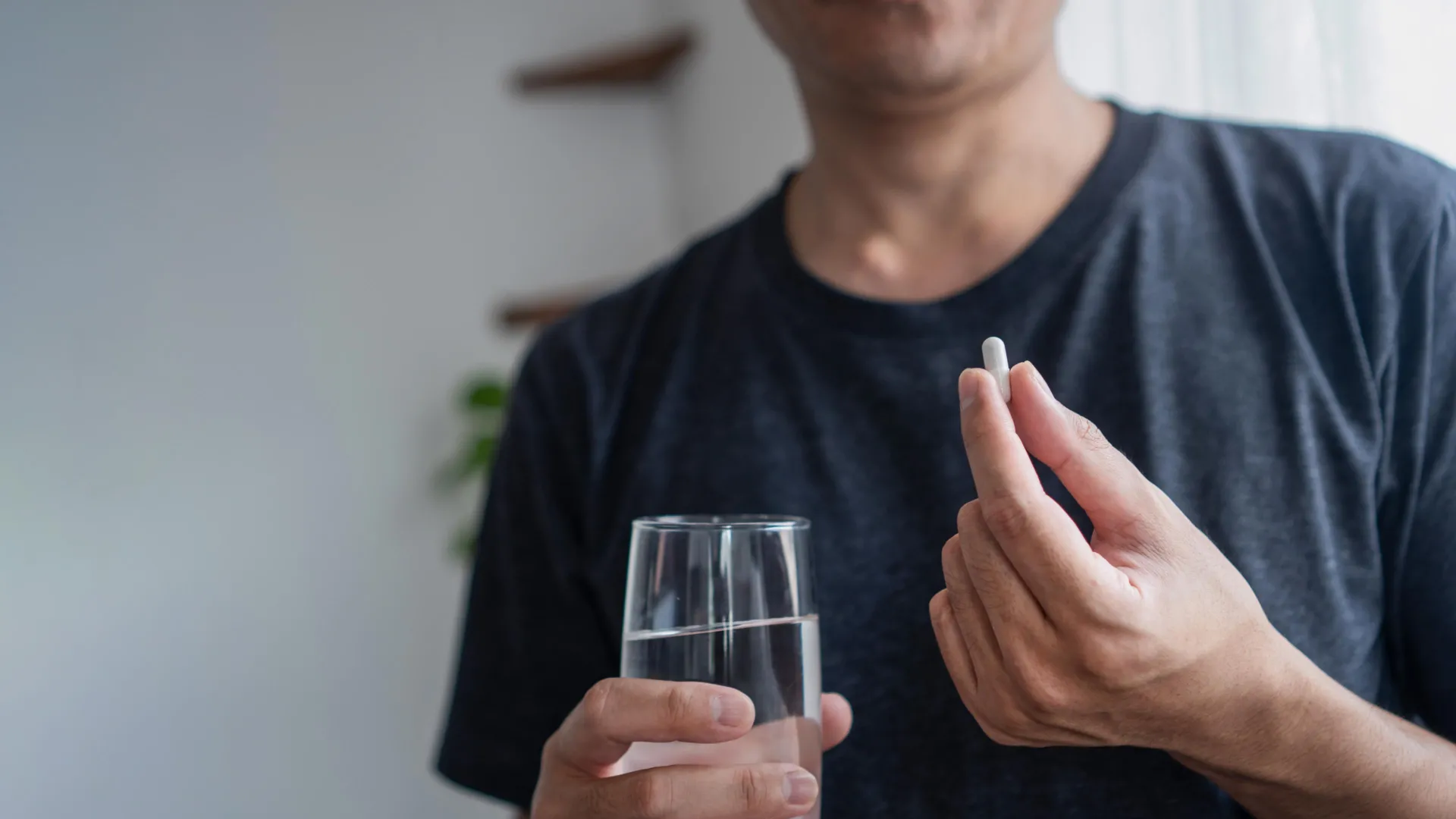
This comprehensive research underscores a fundamental principle concerning nutrition and supplementation: even compounds that are inherently beneficial can transition to being harmful when consumed in quantities that exceed physiological needs, particularly in the absence of a clearly defined medical indication. The widespread practice of regularly ingesting high-dose supplements, including those heavily fortified with antioxidants, renders it essential for consumers to meticulously scrutinize product labels and possess a thorough understanding of the precise quantities of each ingredient they are consuming. NAC, for instance, is a common ingredient in numerous multivitamins and is sometimes incorporated at levels significantly exceeding typical dietary intake.
"The overarching message emerging from this research is the critical importance of balance," Dr. Golding reiterated. "Consider the analogy of a plant: prolonged exposure to excessive sunlight can lead to dehydration, while overwatering can result in root rot. It is only when the plant receives a harmonious balance of sunlight and water that optimal growth is achieved. Health operates within a similar paradigm of equilibrium." He offered a cautionary guideline, advising, "If your vitamin supplements are providing 1,000% of the recommended daily intake, a degree of caution is warranted. Adhering to dosages within the 100% range generally ensures a safer consumption profile."
About the Author