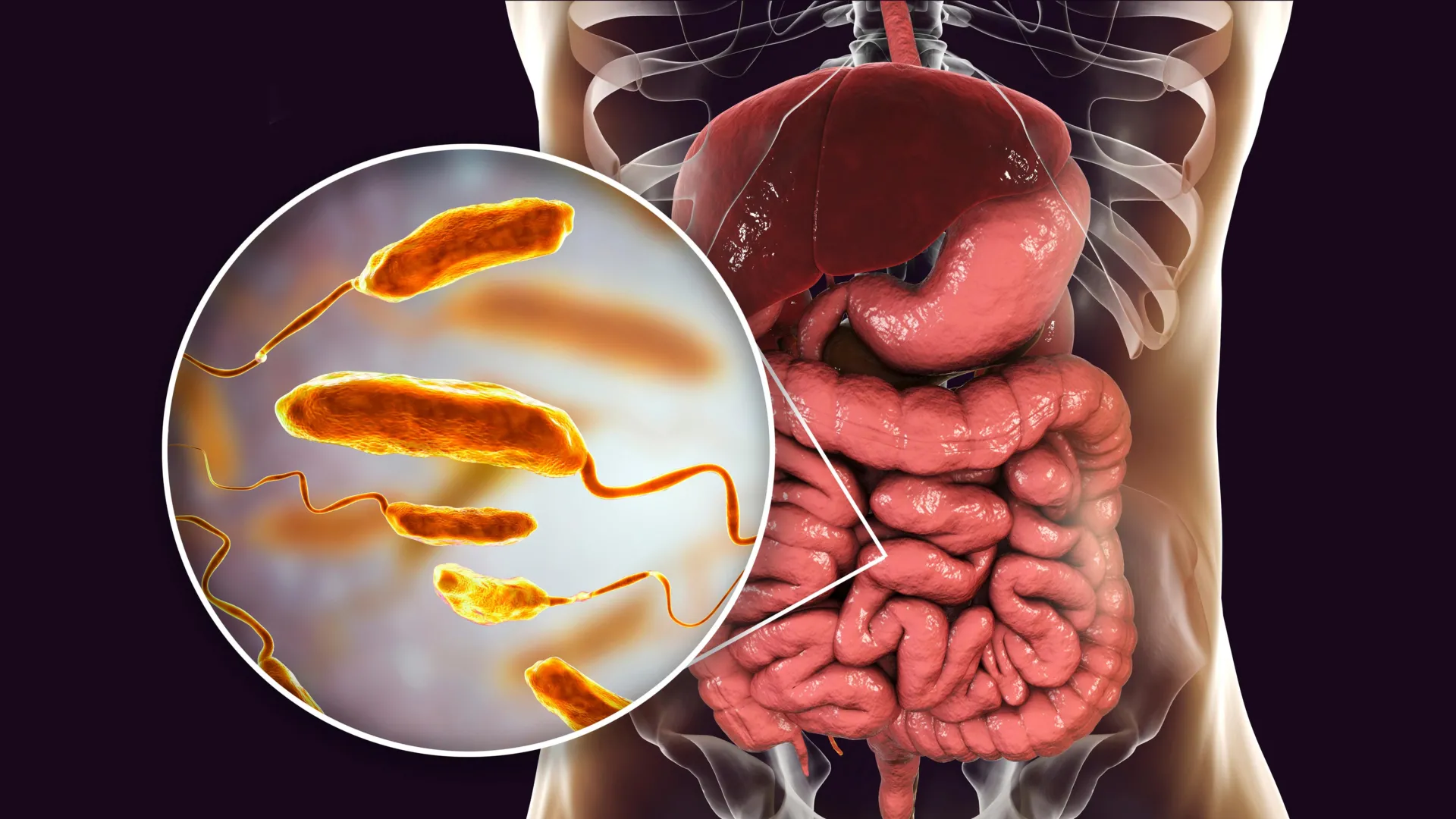
New scientific inquiry emerging from the University of California, Riverside, has illuminated a potent, non-pharmacological strategy for combating cholera, a formidable enteric pathogen responsible for acute diarrheal disease and significant mortality worldwide. The research indicates that the strategic inclusion of specific dietary proteins can dramatically curtail the capacity of Vibrio cholerae, the bacterium responsible for the infection, to establish a foothold and proliferate within the gastrointestinal tract. This breakthrough offers a promising avenue for public health interventions, particularly in regions where access to advanced medical care and clean water remains a challenge.
The core of this investigation centered on the profound influence of nutritional intake on the complex microbial ecosystem residing in the gut, often referred to as the microbiome. While the symbiotic relationship between diet and resident gut bacteria has been extensively documented, this study ventured into the less explored territory of how dietary components might directly influence the pathogenesis of externally introduced, harmful bacteria. Researchers meticulously examined the impact of various macronutrient compositions on the colonization efficiency of Vibrio cholerae, employing a model organism to simulate infection dynamics.
In a series of controlled experiments, laboratory mice were subjected to distinct dietary regimens. These included diets heavily weighted towards carbohydrates, those rich in fats, and crucially, diets characterized by a substantial protein content. The observed outcomes were profoundly differentiating. Diets predominantly composed of fats demonstrated a negligible effect on the bacterial load and persistence of cholera. Similarly, diets emphasizing simple carbohydrates offered only a marginal reduction in colonization. In stark contrast, the inclusion of diets fortified with specific protein sources, namely casein – the principal protein found in milk and its derivatives like cheese – and wheat gluten, the elastic protein complex in cereal grains, resulted in an almost complete abrogation of cholera’s ability to colonize the intestinal environment.
The magnitude of this dietary influence was a source of considerable astonishment to the research team. Dr. Ansel Hsiao, an associate professor of microbiology and plant pathology at UC Riverside and the senior author of the study, which was published in the esteemed journal Cell Host and Microbe, expressed his surprise at the sheer scale of the effect. "While I anticipated that diet could modulate the host’s response to bacterial infection, the sheer degree of impact was unexpected," Dr. Hsiao remarked. He further elaborated on the quantitative findings, stating, "We observed reductions in cholera colonization levels that were as substantial as a hundredfold, purely as a consequence of dietary variations." This finding underscores the potent role of nutrition in shaping the outcome of infectious disease.
Delving deeper into the mechanistic underpinnings of this observed phenomenon, the research team identified a critical cellular machinery within the cholera bacterium that is directly targeted by these beneficial dietary proteins. Vibrio cholerae possesses a sophisticated molecular apparatus known as the type VI secretion system (T6SS). This system functions akin to a microscopic syringe, enabling the bacterium to inject effector molecules, including toxins, into neighboring cells, including other microbial species and host cells. The T6SS is pivotal for cholera’s ability to outcompete other resident gut bacteria, establish dominance within the intestinal niche, and ultimately cause disease.
The investigation revealed that casein and wheat gluten exert their protective effects by disrupting the proper functioning of this T6SS. When the T6SS is impaired or suppressed, the cholera bacterium loses its capacity to effectively disarm competing microorganisms and to inject virulence factors into host intestinal cells. This effectively cripples the pathogen’s ability to establish a robust infection and cause significant damage. The absence of this critical secretion system leaves the bacteria vulnerable to the host’s innate defenses and less capable of overcoming the established microbial communities in the gut, thereby preventing widespread colonization.
The implications of this research extend significantly to the realm of public health, particularly in the context of managing cholera outbreaks in resource-limited settings. Cholera remains a persistent threat in many parts of the world, particularly in areas grappling with inadequate sanitation infrastructure and limited access to safe drinking water. Current therapeutic approaches primarily focus on rehydration to counteract the severe fluid and electrolyte loss caused by the infection. While antibiotics can be employed to shorten the duration of the illness and reduce symptom severity, they do not fully neutralize the lingering effects of toxins produced by the bacteria.
Furthermore, the widespread and sometimes indiscriminate use of antibiotics raises significant concerns about the escalating problem of antimicrobial resistance. The emergence of antibiotic-resistant strains of bacteria, including Vibrio cholerae, poses a growing threat to global health, potentially rendering existing treatments ineffective over time. The research team highlights that dietary interventions, unlike antibiotic therapies, do not inherently contribute to the development of antibiotic resistance. "The mechanisms by which dietary strategies operate are fundamentally different from those of pharmacological agents, thus sidestepping the evolutionary pressure that drives antimicrobial resistance," Dr. Hsiao explained.
This distinct advantage positions dietary approaches as a potentially more sustainable and accessible long-term strategy for mitigating the impact of cholera. By enhancing the host’s natural defenses through diet, the reliance on antibiotics could be reduced, thereby preserving their efficacy for situations where they are truly indispensable. Moreover, the cost-effectiveness of incorporating protein-rich foods into the diet, compared to the ongoing procurement and administration of antibiotics, makes this an attractive proposition for public health initiatives aimed at vulnerable populations. The safety profile of widely consumed food components like wheat gluten and casein, which are already recognized as safe for consumption by regulatory bodies, further simplifies their integration into public health strategies.
While the current findings are derived from studies conducted with laboratory mice, the researchers are optimistic about their applicability to human health. The intricate interplay between diet, the gut microbiome, and pathogen resistance is a conserved biological principle across mammalian species. Dr. Hsiao and his team are keen to investigate how these specific dietary modifications influence the human gut microbiome composition and function, and whether similar protective effects against other bacterial pathogens can be elicited. "It is highly probable that dietary interventions, while varying in their effectiveness across different food sources and pathogen targets, will confer a beneficial outcome when applied to a broader range of infectious agents," Dr. Hsiao posited. The overarching message from this research is that by optimizing nutritional intake, individuals and communities can significantly bolster their resilience against infectious diseases, thereby reducing the burden of illness and improving overall public health. The capacity to harness the power of everyday nutrition for disease prevention represents a significant stride in proactive health management.
About the Author