A groundbreaking investigation, detailed in the esteemed journal Nature Communications, has unveiled a previously unrecognized metabolic ecosystem thriving within the very core of human cells, directly alongside our genetic blueprint. The study reports the presence of over 200 distinct metabolic enzymes, a significant proportion of which are conventionally understood to orchestrate energy production within the mitochondria, instead found actively situated on chromatin – the complex of DNA and proteins that forms chromosomes – inside the cell nucleus. This discovery fundamentally challenges the long-held paradigm of compartmentalized cellular functions, suggesting a far more integrated relationship between metabolic processes and the regulation of our genetic material.
This intricate molecular arrangement appears to be far from uniform, with researchers observing that each specific cell type, tissue, and even distinct forms of cancer exhibit a unique constellation of these nuclear metabolic enzymes. The study posits that these enzymes engage with DNA in characteristic ways, collectively forming what the scientists term a "nuclear metabolic fingerprint." This represents the inaugural empirical evidence supporting the existence of such highly personalized nuclear signatures within human cells, opening a new frontier in understanding cellular identity and function.
The precise functional contributions of these enzymes within the nucleus remain a subject of ongoing investigation, with several compelling hypotheses emerging. They may be directly involved in catalyzing critical biochemical reactions within this confined space, exert influence over the intricate mechanisms that govern gene activation and silencing, or potentially contribute to the structural integrity of the nuclear architecture. Regardless of their exact roles, these findings already offer profound new perspectives on the complex developmental trajectories of tumors, their remarkable adaptability, and their often-frustrating resistance to therapeutic interventions.
"A substantial number of these enzymes are instrumental in synthesizing the fundamental building blocks essential for life, and their documented presence within the nucleus is intrinsically linked to DNA repair processes," explains Dr. Sara Sdelci, the corresponding author of the study and a distinguished researcher at the Centre for Genomic Regulation. "Consequently, their localization within the nucleus may directly modulate how cancer cells confront genotoxic stress, a defining characteristic of numerous chemotherapeutic strategies. This discovery truly represents an entirely unexplored biological landscape."
The methodology employed in this research involved a sophisticated technique designed to isolate proteins that are physically associated with chromatin, the natural scaffold upon which DNA is organized within human cells. By employing this precise isolation approach, the research team meticulously analyzed a diverse sample set encompassing 44 distinct cancer cell lines and 10 different types of healthy cells, sourced from ten separate human tissues. This comprehensive sampling strategy was crucial in identifying the widespread presence and variability of these nuclear metabolic enzymes.
Historically, the fields of metabolism and genome regulation have been conceptualized as largely independent biological domains. The nucleus has traditionally been designated as the repository of the genome, while the primary responsibility for metabolic enzyme activity, particularly energy generation, has been attributed to the mitochondria and the cytoplasm. This established separation contributed to the significant surprise experienced by the researchers upon discovering the pervasive role of metabolic enzymes within the nucleus.
The sheer magnitude of this revelation was unexpected, underscoring the active and vital roles that metabolic enzymes appear to fulfill within nuclear biology. Astonishingly, approximately 7 percent of all proteins identified as being bound to chromatin were found to be metabolic enzymes. This striking observation strongly suggests that the nucleus may indeed harbor its own self-contained metabolic network, a concept the researchers have aptly described as a ‘mini metabolism’.
Among the detected enzymes, several stood out due to their surprising inclusion. The research team identified proteins integral to oxidative phosphorylation, the fundamental cellular pathway responsible for generating the vast majority of a cell’s energy currency, as regular inhabitants of the nuclear compartment. This finding challenges the notion that these energy-generating pathways are exclusively confined to the mitochondria.
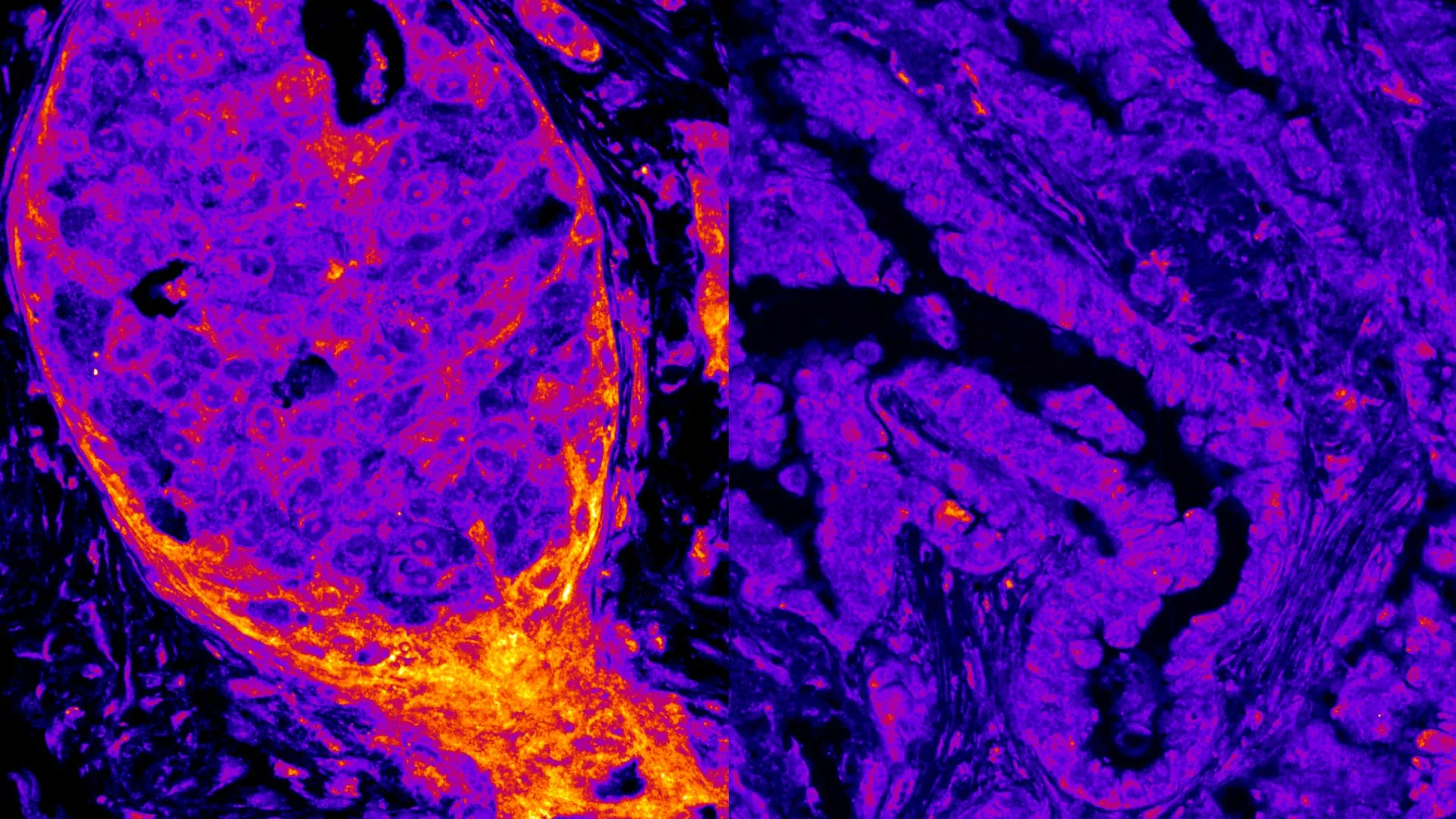
Furthermore, the researchers noted that the specific patterns of these enzymes varied considerably depending on the type of cancer under investigation. For instance, enzymes associated with oxidative phosphorylation were frequently observed in breast cancer cells but were notably absent in lung cancer cells. Crucially, when the scientists examined tumor samples directly obtained from patients, they observed the same discernible trend, thereby confirming that the landscape of nuclear metabolism is indeed tissue-specific and disease-dependent.
"For a considerable time, we have approached metabolism and genome regulation as entirely separate biological universes; however, our findings compellingly indicate that these systems are in constant communication, and it is plausible that cancer cells are adeptly exploiting these inter-system dialogues for their survival," commented Dr. Savvas Kourtis, the lead author of the study.
In a further effort to elucidate the specific functions of these nuclear enzymes, the researchers conducted targeted experiments. Their focus was directed towards a particular group of enzymes known to produce molecules essential for DNA synthesis and subsequent repair processes.
The experimental outcomes demonstrated that these enzymes exhibit a tendency to congregate in proximity to chromatin regions where DNA damage has occurred. By concentrating in these affected areas, they appear to play a supportive role in facilitating the intricate process of genome repair.
The study also uncovered compelling evidence that the functional behavior of an enzyme can be profoundly influenced by its cellular location. The enzyme IMPDH2 served as a notable example: its activity and impact differed significantly depending on whether it was situated within the nucleus or confined to the cytoplasm. When researchers artificially compelled IMPDH2 to remain within the nucleus, it actively contributed to maintaining genome stability. Conversely, when the same enzyme was restricted to the cytoplasmic environment, it exerted influence over entirely distinct cellular pathways, highlighting the critical role of localization in determining enzymatic function.
These groundbreaking findings necessitate a re-evaluation of current understandings regarding the efficacy of cancer treatments. Many therapeutic strategies are designed to disrupt specific metabolic processes within cancer cells, while others aim to interfere with the DNA repair mechanisms that these cells rely upon for survival. If these two fundamental biological processes are, as the study suggests, more intimately interconnected than previously appreciated, it could fundamentally alter the strategic approaches employed in the development of novel cancer therapies.
"This interconnectedness could potentially explain why tumors originating from different tissues, even when harboring identical genetic mutations, frequently exhibit vastly different responses to chemotherapy, radiotherapy, or targeted inhibitor drugs," remarked Dr. Sdelci.
The researchers assert that this study provides the first comprehensive, large-scale empirical evidence demonstrating the widespread presence and potential activity of metabolic enzymes within the nuclear compartment. In the long term, the meticulous mapping of these enzyme locations and a deeper understanding of their specific functions could pave the way for the identification of novel biomarkers for cancer diagnosis or reveal previously unknown vulnerabilities that could be exploited by anticancer drugs.
However, the researchers are keen to emphasize that a substantial amount of research remains to be conducted. Scientists must now rigorously determine whether all the enzymes observed within the nucleus are indeed metabolically active and precisely delineate the unique role each individual enzyme plays in this newly discovered nuclear metabolic network.
"Each enzyme likely possesses its own distinct nuclear function, and these must be investigated and understood on an individual basis," stated Dr. Kourtis.
An additional, significant question that warrants further investigation pertains to the precise mechanisms by which these relatively large enzymes gain entry into the nucleus. The nucleus is enclosed by a formidable barrier, the nuclear envelope, which typically imposes strict limitations on the size and type of molecules that are permitted to pass through its pores.
Many of the metabolic enzymes identified as being associated with DNA are substantially larger than the established size limits for passive diffusion through these nuclear pores. Despite this apparent physical constraint, these sizable protein complexes demonstrably manage to traverse the nuclear envelope and enter the nucleus.
This perplexing observation strongly suggests that cells may employ an as-yet-undiscovered or poorly understood mechanism to facilitate the translocation of large enzymes into the nuclear compartment. Unraveling the intricacies of this process could, in the future, reveal highly specific therapeutic targets for precisely controlling nuclear metabolic activity within diseased cells.
About the Author