Mitochondria, the vital energy generators within eukaryotic cells, maintain a sophisticated internal organization crucial for their primary function of ATP production. These organelles, often described as cellular power plants, house their own distinct genetic material, a circular molecule known as mitochondrial DNA (mtDNA). The integrity and proper distribution of this mtDNA are paramount, as disruptions have been implicated in a spectrum of debilitating conditions, ranging from severe metabolic and neurological disorders such as liver failure and encephalopathy to age-related neurodegenerative diseases including Alzheimer’s and Parkinson’s. The consistent arrangement of mtDNA within mitochondria has long puzzled cell biologists, with established theories involving mitochondrial dynamics like fusion and fission, or molecular tethering mechanisms, proving insufficient to fully account for the observed regularity.
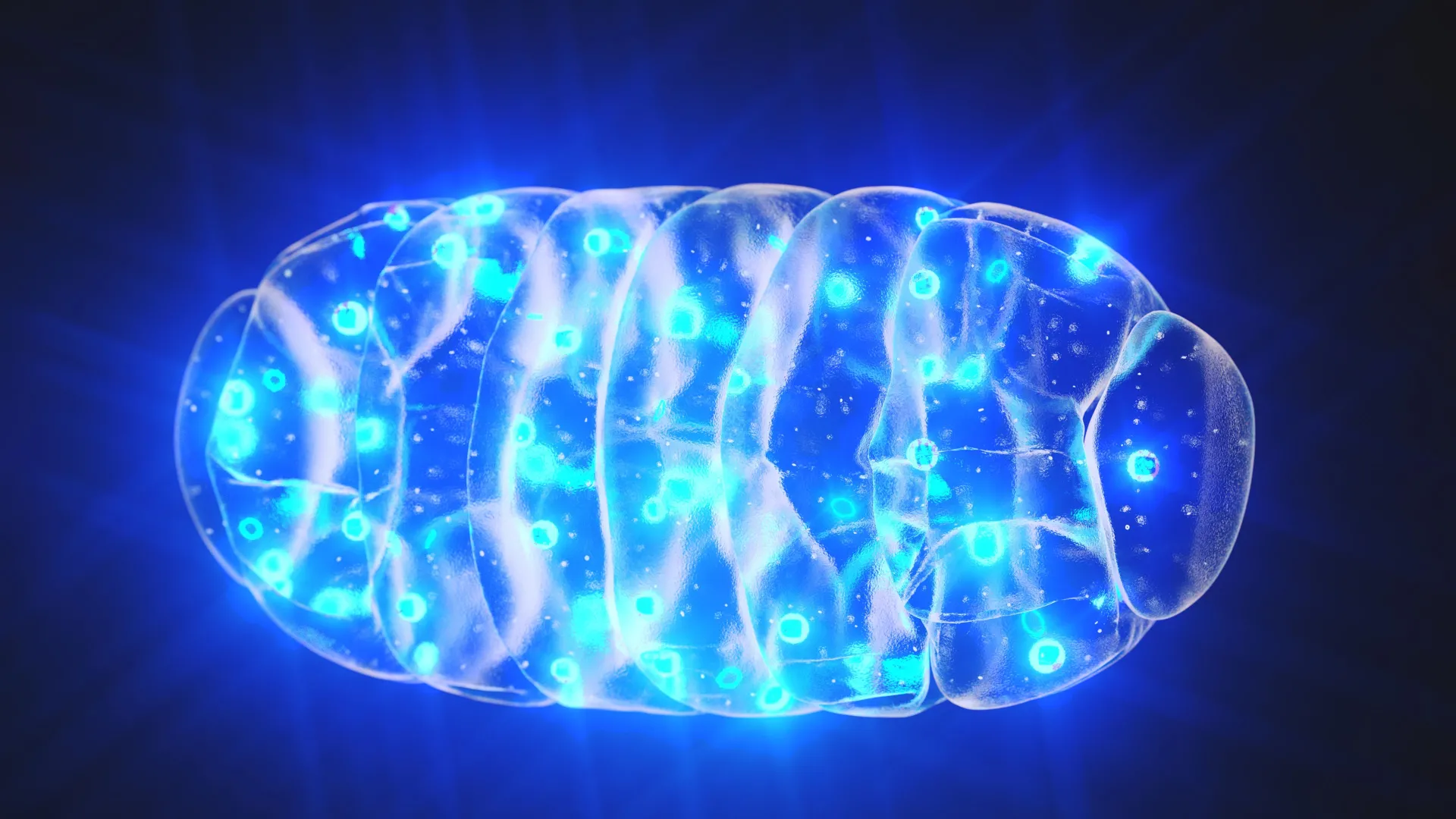
A recent groundbreaking investigation has illuminated a previously underappreciated mechanism responsible for this precise spatial organization of mtDNA: a transient, dynamic reshaping process termed "mitochondrial pearling." This phenomenon, characterized by the formation of a string-of-beads appearance in mitochondria, facilitates the separation and even redistribution of mtDNA clusters. By transiently constricting and elongating, mitochondria effectively segment their internal volume, allowing the DNA-containing structures, known as nucleoids, to resettle into a more uniformly dispersed configuration. This cyclical transformation ensures that when a cell divides, its daughter cells receive a balanced complement of mtDNA, and that the genetic instructions encoded within are expressed uniformly across the organelle.
To unravel the intricacies of mitochondrial pearling, researchers employed a formidable array of cutting-edge imaging technologies. These included super-resolution microscopy, which offers unparalleled detail of subcellular structures; correlative light and electron microscopy (CLEM), which bridges the gap between live-cell fluorescence imaging and the ultrastructural detail provided by electron microscopy; and phase contrast microscopy, which visualizes transparent specimens by exploiting differences in refractive index. This multi-modal approach enabled the team to meticulously track individual nucleoids, observe rapid alterations in mitochondrial morphology in real-time, and gain unprecedented insights into the internal organization and dynamics of these essential organelles.
The live-cell imaging experiments revealed the remarkable frequency of pearling events, occurring multiple times per minute within individual mitochondria. During these episodes, the tubular mitochondria briefly adopt a segmented form, marked by regularly spaced constrictions that effectively divide the organelle into distinct "pearls." Intriguingly, the spacing between these pearls closely mirrors the typical distances observed between nucleoids, suggesting a direct link between the organelle’s shape and the distribution of its genetic material. While many of these pearl-like segments were found to harbor a nucleoid at their core, the pearling process itself could be initiated even in the absence of mtDNA, indicating that the structural changes are primarily driven by the mitochondrial framework rather than solely by the DNA.
Further observation elucidated the dynamic redistribution of mtDNA during pearling. Larger aggregations of nucleoids were frequently observed to fragment into smaller units that then migrated to settle within adjacent pearls. Upon the mitochondrion’s eventual return to its characteristic elongated tubular form, the nucleoids remained in a more segregated state, thereby preserving the even distribution achieved during the pearling cycle. This active reorganization ensures that the mtDNA is not merely passively relocated but is actively managed to maintain optimal spatial separation.
Delving deeper into the regulatory aspects of this process, the research team investigated the molecular triggers and control mechanisms underlying mitochondrial pearling. Through a combination of genetic manipulation and pharmacological interventions, they identified the influx of calcium ions into the mitochondria as a potent initiator of pearling. Moreover, the internal membrane architecture of the mitochondrion appears to play a crucial role in facilitating and maintaining the separation of nucleoids during these dynamic events. When these regulatory factors are compromised, the tendency for nucleoids to aggregate increases, leading to a loss of their even distribution.
This rediscovery of mitochondrial pearling has significant historical context, as the phenomenon was first documented over a century ago by Margaret Reed Lewis in 1915. However, for many decades, it was largely relegated to the status of an artifact associated with cellular stress, its true biological significance overlooked. The current research re-establishes pearling as a fundamental and elegantly conserved mechanism integral to mitochondrial function. This biophysical process offers a remarkably simple yet energetically efficient strategy for ensuring the equitable distribution of the mitochondrial genome, highlighting the interplay between physical forces and biological regulation within the cell.
The implications of this discovery extend far beyond fundamental cell biology, offering a new lens through which to examine diseases linked to mitochondrial dysfunction. By demonstrating that cells employ not only complex molecular machinery but also elegant physical processes for internal organization, this work underscores the importance of considering biomechanical factors in cellular health. A deeper understanding of the mechanisms governing mitochondrial pearling and its regulation could pave the way for novel therapeutic strategies targeting a wide array of debilitating conditions. The ability to manipulate or restore proper pearling dynamics might offer a new avenue for treating diseases characterized by mitochondrial abnormalities, ultimately improving patient outcomes and advancing our comprehension of cellular resilience.
About the Author