Dental professionals and researchers worldwide are closely watching a groundbreaking development from the University of Nottingham, where scientists have engineered a novel dental gel designed to regenerate damaged tooth enamel. This innovation, emerging from collaborative efforts between the School of Pharmacy and the Department of Chemical and Environmental Engineering, represents a significant leap forward in addressing one of dentistry’s most persistent challenges: the restoration of the tooth’s protective outer layer. The findings, meticulously detailed in the esteemed journal Nature Communications, outline a new paradigm for both preventing tooth decay and potentially reversing the effects of erosion and wear that affect billions globally.
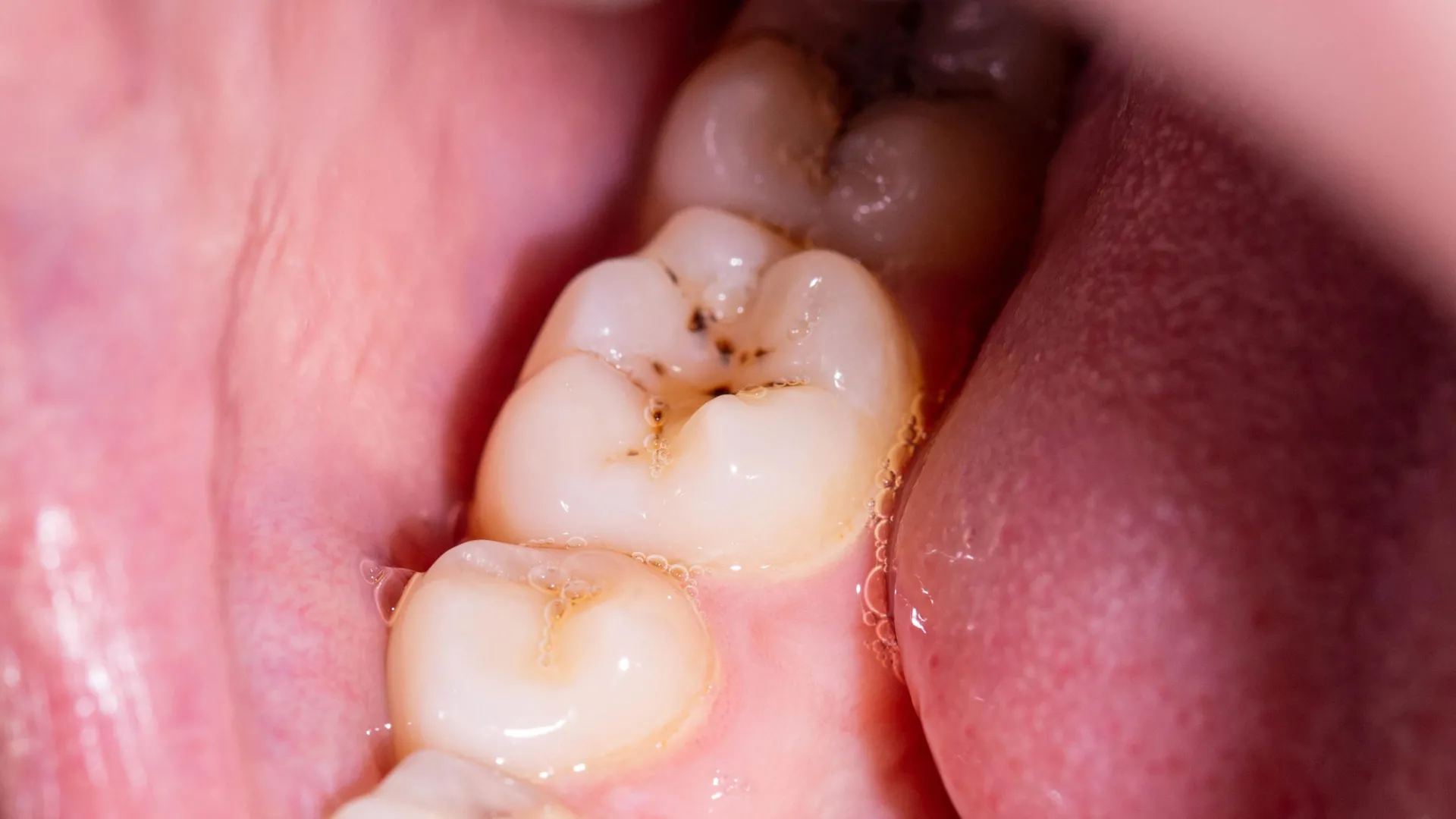
The human body’s most formidable tissue, enamel, forms the robust, crystalline outer shell of teeth, providing essential protection against the physical stresses of chewing, temperature fluctuations, and the chemical assaults of acids present in food and produced by oral bacteria. Despite its unparalleled hardness, enamel possesses a critical biological limitation: it lacks living cells, rendering it incapable of self-repair once damaged or lost. This inherent inability has long necessitated restorative interventions such as fillings, crowns, or veneers, which, while effective, do not truly regenerate the natural tooth structure. The ramifications of enamel degradation are profound, contributing significantly to tooth decay, heightened sensitivity, and ultimately, tooth loss, conditions that impact nearly half of the global population and are increasingly linked to broader systemic health concerns, including cardiovascular disease and diabetes.
Current preventive and restorative strategies predominantly focus on strengthening existing enamel or halting further demineralization. Fluoride treatments, a cornerstone of modern preventive dentistry, work by incorporating into the enamel structure, making it more resistant to acid attacks and encouraging limited remineralization of microscopic lesions. However, these methods are primarily about fortifying or patching, not rebuilding the complex, organized architecture of original enamel. The Nottingham team’s innovative gel distinguishes itself by offering a truly restorative pathway, actively guiding the formation of new mineral crystals in a manner that closely mimics the natural development of enamel.
At the heart of this pioneering technology lies the principle of biomimicry – drawing inspiration from natural biological processes. The gel’s formulation is centered around specialized proteins, meticulously engineered to emulate the functions of amelogenins and other proteins crucial for amelogenesis, the intricate process of natural enamel formation during infancy. During natural tooth development, these proteins orchestrate the precise deposition and orientation of hydroxyapatite crystals, forming the highly organized, prismatic structure that gives enamel its exceptional strength and durability. By replicating these biological cues, the gel seeks to restart a similar organized growth process on compromised tooth surfaces.
When applied to a tooth, the protein-rich gel creates a transient, yet resilient, coating. This intelligent matrix then infiltrates the microscopic fissures, pores, and areas of damage within the existing enamel. Crucially, this coating does not merely sit on the surface; instead, it acts as an intricate scaffold, directing the subsequent recruitment and alignment of mineral ions. The process, termed epitaxial mineralization, involves drawing calcium and phosphate ions directly from the oral environment, primarily saliva. These ions are then guided to crystallize precisely in alignment with the underlying, existing enamel structure. This directed growth ensures that the newly formed mineral layers integrate seamlessly with the natural tissue, rather than forming a haphazard, poorly bonded surface. This organized structural recovery is paramount, as it enables the repaired surface to regain both the microscopic architectural complexity and the robust physical properties characteristic of healthy, natural enamel.
Beyond its potential for repairing demineralized or eroded enamel, the gel offers a promising solution for individuals suffering from dentine hypersensitivity. This common and often debilitating condition arises when the enamel layer thins or recedes, exposing the softer, porous dentine beneath. Dentine is permeated by microscopic tubules that lead directly to the tooth’s nerve, making it acutely responsive to stimuli like heat, cold, sweets, or touch, triggering sharp, transient pain. When applied to exposed dentine, the gel facilitates the growth of an enamel-like mineral layer directly over these exposed tubules. This newly formed protective barrier effectively occludes the channels, significantly reducing nerve exposure and thereby alleviating sensitivity. Furthermore, this regenerated layer could provide a more robust and biologically integrated surface for the adhesion of dental restorations, potentially improving their longevity and performance.
The efficacy and durability of the regenerated tissue were rigorously evaluated through a series of demanding laboratory tests designed to simulate the harsh conditions teeth endure in daily life. Dr. Abshar Hasan, a Postdoctoral Fellow and a principal author of the study, emphasized the unique structural attributes that endow natural enamel with its remarkable resilience against mechanical, chemical, and thermal challenges throughout an individual’s lifetime. Dr. Hasan highlighted that the developed material, when applied to demineralized enamel, eroded areas, or exposed dentine, actively promotes the integrated and organized proliferation of crystals, effectively reconstituting the intricate architecture of natural, healthy enamel. The research team subjected these regenerated tissues to comprehensive assessments of their mechanical properties under conditions replicating real-world scenarios, including repeated tooth brushing, the forces involved in chewing, and exposure to acidic food substances. The results demonstrated that the restored enamel exhibited mechanical characteristics strikingly similar to those of native, healthy enamel, strongly suggesting its potential for long-term functional performance in clinical applications.
The successful demonstration of the material’s regenerative capabilities and its resilience under simulated physiological stress has propelled the research team toward the next critical phase: commercialization. Professor Alvaro Mata, Chair in Biomedical Engineering & Biomaterials and the study’s leader, expressed considerable enthusiasm for the technology’s design philosophy, which prioritized ease of clinical application and patient benefit. Professor Mata noted that the innovation is inherently safe, allows for rapid and straightforward application, and is designed for scalable production. He further elaborated on the versatility of the technology, which opens avenues for its translation into a diverse array of products tailored to assist patients of all ages who contend with various dental issues stemming from enamel loss and exposed dentine. To expedite this transition from laboratory to clinic, the team has established a startup company, Mintech-Bio. The ambitious objective is to introduce a preliminary product to the market within the coming year, underscoring the potential for this innovation to rapidly impact global patient care.
The scalability and rapid application potential of the gel suggest a broad spectrum of future applications beyond direct restorative treatment. It could be integrated into professional treatments for severe enamel erosion, serving as a proactive measure to rebuild weakened surfaces before significant decay sets in. For individuals experiencing persistent tooth sensitivity, specialized products incorporating this technology could offer prolonged relief. Moreover, the material’s ability to create a strong, biologically integrated surface could revolutionize the way dental fillings and other restorations bond to the tooth, potentially enhancing their durability and reducing secondary decay. This pioneering work from the University of Nottingham holds the promise of fundamentally transforming the landscape of preventive and restorative dentistry, shifting the focus from mere repair to genuine regeneration and offering a new era of enhanced oral health for millions worldwide.
About the Author