Pandemic-Induced Disruptions Threaten Global Childhood Immunization Progress, Jeopardizing Millions.
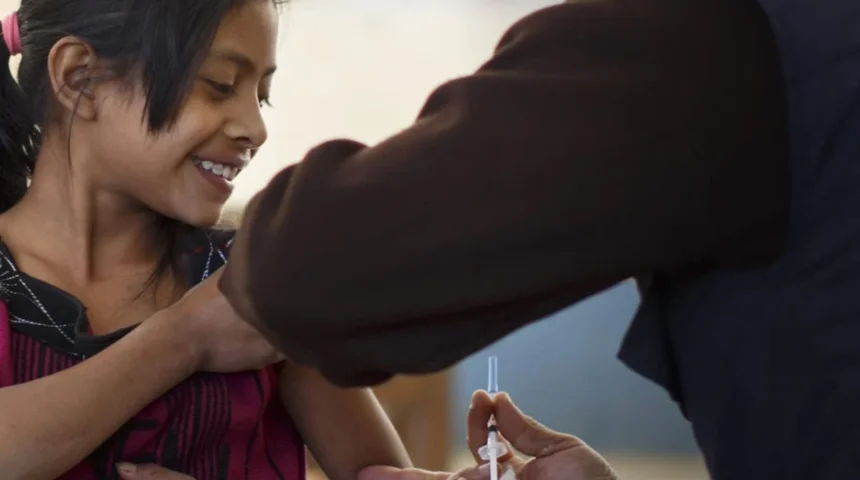
Geneva and New York, July 15, 2020 – A stark warning has been issued by leading global health organizations, the World Health Organization (WHO) and UNICEF, signaling an unprecedented reversal in worldwide childhood immunization efforts. Their joint assessment reveals a significant downturn in the number of young individuals receiving essential protective vaccines, a critical development attributed to widespread disruptions caused by the unfolding COVID-19 pandemic. This alarming trend jeopardizes decades of diligent work aimed at expanding vaccine coverage and could lead to a resurgence of preventable diseases, presenting a public health crisis far beyond the immediate scope of the novel coronavirus.
The latest data, compiled from WHO and UNICEF’s comprehensive vaccine coverage estimates, paints a concerning picture. For the first time in nearly three decades, specifically 28 years, the world faces a potential reduction in coverage for the third dose of the diphtheria, tetanus, and pertussis (DTP3) vaccine. This particular vaccine is widely recognized as a crucial benchmark for immunization progress both within and across nations, making its decline a potent indicator of systemic vulnerabilities. Preliminary findings from the initial four months of 2020 already demonstrate a substantial decrease in children completing their DTP3 course, portending a significant erosion of collective immunity.
Dr. Tedros Adhanom Ghebreyesus, Director-General of the WHO, underscored the profound implications of this setback. "Vaccines represent one of humanity’s most potent public health interventions, historically responsible for immunizing more children than ever before," he stated. "However, the current pandemic has placed these monumental achievements at risk. The avoidable suffering and fatalities stemming from children missing their routine vaccinations could, in the long run, eclipse the direct impact of COVID-19 itself. This outcome is not inevitable. It is entirely feasible to deliver vaccines safely, even amidst the pandemic, and we implore nations to prioritize the continuation of these vital, life-preserving programs."
Prior to the global health emergency declared for COVID-19, the expansion of immunization services had already encountered significant hurdles. Global coverage rates for DTP3 and measles vaccines had plateaued at approximately 85 percent. This stagnation meant that a child born today had less than a 20 percent chance of receiving all globally recommended vaccines by their fifth birthday. In 2019 alone, nearly 14 million children worldwide remained unprotected by critical vaccines like those for measles and DTP3. A substantial two-thirds of these unvaccinated children resided in just ten middle- and low-income countries: Angola, Brazil, the Democratic Republic of the Congo, Ethiopia, India, Indonesia, Mexico, Nigeria, Pakistan, and the Philippines. These nations, particularly those in Africa, often grapple with limited access to broader health services, amplifying their vulnerability.
The COVID-19 pandemic has exacerbated these pre-existing challenges, introducing a new layer of complexity to vaccine delivery and uptake. A pulse survey conducted in May 2020 by UNICEF, WHO, and Gavi, in collaboration with the US Centers for Disease Control, the Sabin Vaccine Institute, and Johns Hopkins Bloomberg School of Public Health, revealed that a staggering three-quarters of the 82 responding countries reported pandemic-related disruptions to their immunization programs. The factors contributing to these interruptions are multifaceted. Health workers, who form the backbone of these programs, have often been redeployed to frontline COVID-19 response duties, faced travel restrictions, or lacked adequate personal protective equipment (PPE), rendering them unavailable for routine clinics.
On the demand side, communities themselves encountered significant barriers. Public apprehension regarding potential exposure to the virus led to reluctance to seek medical services. Furthermore, economic hardships, disruptions in public transportation, and strict movement restrictions imposed to control the pandemic prevented many parents from accessing immunization facilities, even when services were technically available. This confluence of supply-side constraints and demand-side hesitancy created a perfect storm for the observed decline.
Beyond routine vaccinations, critical campaigns designed to reach larger populations with specific vaccines have also been severely impacted. More than 30 measles vaccination campaigns were either cancelled or faced imminent cancellation, raising serious concerns about potential outbreaks of this highly contagious disease in late 2020 and beyond. Measles, while preventable, can cause severe complications, including pneumonia, encephalitis, and even death, especially in malnourished children. The suspension of these campaigns, which are crucial for bolstering herd immunity, leaves millions of children vulnerable.
Henrietta Fore, UNICEF’s Executive Director, echoed the urgent plea for action. "COVID-19 has transformed what was once a straightforward act of routine vaccination into a formidable challenge," she observed. "We are facing a grave risk of further deterioration in vaccine coverage. It is imperative that we swiftly reinstate immunization programs before children’s lives are imperiled by other diseases. We cannot afford to exchange one health crisis for another."
While the overall global picture is grim, some regions that had previously made significant strides are now at risk of losing ground. South Asia, for instance, had seen an impressive 12 percentage point increase in regional DTP3 coverage over the last decade, with notable progress in India, Nepal, and Pakistan. This hard-won success, a testament to focused public health initiatives, is now under threat from COVID-19 related disruptions. Similarly, countries like Ethiopia and Pakistan, which had demonstrated substantial improvements in their immunization rates, face the prospect of backsliding if essential services are not promptly and fully restored.
The situation is particularly precarious in Latin America and the Caribbean, a region that historically boasted high immunization coverage but had already experienced a concerning decline over the past ten years. Nations such as Brazil, Bolivia, Haiti, and Venezuela witnessed immunization coverage plummet by at least 14 percentage points since 2010. These countries are now confronting moderate to severe COVID-19 related disruptions, compounding their existing vulnerabilities and placing their populations at an even greater risk of preventable disease outbreaks.
The global health community now faces the monumental task of not only managing the ongoing COVID-19 pandemic but also simultaneously recovering the lost ground in essential health services, particularly childhood immunization. UNICEF and WHO are actively collaborating with countries to support their efforts in "reimagining immunization" and implementing strategies to "build back better." This involves adapting service delivery models to the new realities of the pandemic, ensuring the safety of both health workers and recipients, and rebuilding public trust and access to vital health programs. The collective aim is to safeguard the hard-won gains in child health and prevent a cascading health catastrophe that could claim countless young lives from diseases long thought to be under control. The choices made in the coming months will profoundly shape the health landscape for a generation of children.

Related News