The Fight for a Hepatitis-Free Childhood: Global Milestones, Unequal Access, and Future Imperatives
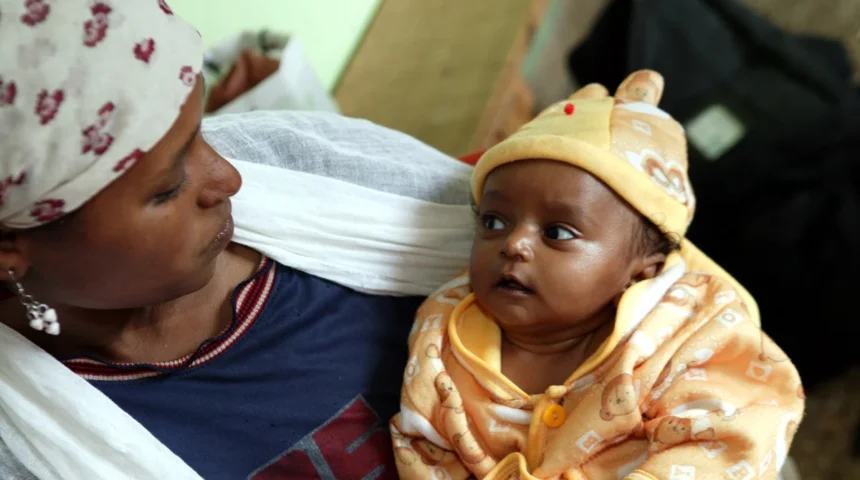
A significant public health victory has been achieved in the global battle against hepatitis B virus (HBV) infection, particularly among the youngest population. Fresh data from the World Health Organization (WHO) reveals a dramatic reduction in the prevalence of chronic HBV among children under the age of five, plummeting to just under one percent in 2019. This marks a substantial decline from the estimated five percent prevalence observed during the pre-vaccine era, spanning the 1980s through the early 2000s, before widespread immunization programs were established. This impressive progress signifies the successful attainment of a crucial benchmark outlined within the Sustainable Development Goals (SDGs), specifically targeting a prevalence rate of less than one percent for HBV infections in children under five by the year 2020.
This achievement represents a monumental step forward in safeguarding future generations from the devastating consequences of chronic liver disease and liver cancer. Dr. Tedros Adhanom Ghebreyesus, the Director-General of the WHO, underscored the profound impact of this milestone, stating that no child should suffer or perish from hepatitis B due to lack of vaccination. He emphasized that the prevention of mother-to-child transmission of HBV stands as the paramount strategy for disease control and saving lives, asserting the critical need to ensure access to essential services, including hepatitis B vaccinations for mothers and newborns, even amidst global health crises like the COVID-19 pandemic. This pivotal moment, commemorated on World Hepatitis Day 2020, served as a rallying cry for intensified, coordinated action to build upon this success. The WHO urged renewed efforts to bolster prevention of mother-to-child HBV transmission through comprehensive screening of pregnant women, providing antiviral prophylaxis to those who require it, and sustaining and expanding access to hepatitis B immunization, particularly the vital birth dose vaccine.
Globally, the scale of chronic HBV infection remains a significant challenge, with over 250 million individuals living with the condition. Infants are acutely susceptible to HBV; approximately 90 percent of those infected during their first year of life progress to become chronic carriers. This persistent infection relentlessly attacks the liver, leading to severe complications including cirrhosis and hepatocellular carcinoma, and tragically claims the lives of nearly 900,000 people annually. The burden of viral hepatitis, encompassing types B and C, is particularly heavy, collectively causing 1.3 million deaths each year, a grim statistic that continues even as the world grapples with other widespread infectious diseases.
The cornerstone of HBV prevention lies in vaccination. Infants can be effectively shielded from the virus through a safe and highly potent vaccine, offering more than 95 percent protection against infection. The WHO advocates for all newborns to receive their initial dose of the hepatitis B vaccine as promptly as possible after birth, ideally within 24 hours, followed by a minimum of two subsequent doses to complete the immunization course. The widespread deployment of the hepatitis B vaccine over the past two decades stands as a monumental triumph in public health. This success has been significantly bolstered by the invaluable support of Gavi, the Vaccine Alliance, which has played a crucial role in the global scale-up of immunization programs, directly contributing to the observed decline in HBV infections among children. By 2019, global coverage for the three-dose hepatitis B vaccine series in childhood reached 85 percent, a remarkable surge from approximately 30 percent in the year 2000.
Despite this commendable overall progress, a critical disparity persists in access to the crucial first dose administered within 24 hours of birth. Globally, coverage for this vital birth dose lags significantly at 43 percent. This disparity becomes even more pronounced in specific regions, dropping to 34 percent in the WHO Eastern Mediterranean Region and a concerningly low six percent in the WHO African Region. Dr. Meg Doherty, Director of Global HIV, Hepatitis and STI Programmes, underscored the paramount importance of enhancing access to a timely hepatitis B vaccine birth dose as the foundational element in efforts to interrupt mother-to-child HBV transmission. She emphasized that for nations, especially those in regions such as sub-Saharan Africa where the birth dose of the hepatitis B vaccine has not yet been universally implemented, prioritizing its introduction is essential to provide protection as early as possible in a child’s life.
Beyond vaccination, an additional layer of protection for children involves providing antiviral treatment to pregnant women to reduce the risk of mother-to-child HBV transmission. The WHO already recommends routine screening for all pregnant women for HBV, alongside HIV and syphilis, as early as possible during their pregnancy. Building on new scientific evidence regarding the safety and effectiveness of antiviral prophylaxis for expectant mothers and their offspring, the WHO issued two new recommendations. In countries that have already achieved high coverage rates for hepatitis B immunization, including timely birth doses, routine screening for HBV infection among pregnant women and the provision of antiviral prophylaxis for those identified as needing it presents an opportune strategy to further prevent vertical transmission from mother to child. This integrated approach is a key component of the global "triple elimination" initiative, a comprehensive effort aimed at eradicating mother-to-child transmission of three prevalent infections in low- and middle-income countries: HIV, syphilis, and hepatitis B virus. Eliminating mother-to-child transmission of HBV is not merely an isolated goal but serves as a crucial stepping stone towards realizing the broader objectives of WHO’s global hepatitis strategy, which ambitiously aims to reduce new hepatitis infections by 90 percent and deaths by 65 percent, benchmarked against 2015 levels.
However, the progress achieved in combating HBV is now shadowed by the emergence of the COVID-19 pandemic. The global health crisis threatens to impede, and potentially reverse, the hard-won gains in HBV elimination efforts. A recent modeling study, conducted by Imperial College London in collaboration with the WHO, projects that disruptions to the hepatitis B vaccination program due to the pandemic could severely undermine the efforts to reach the targets set forth by the global strategy. Under a dire worst-case scenario, which assumes significant disruptions to both the birth dose and routine childhood HBV immunization (a 60 percent reduction for the birth dose and a 20 percent reduction for childhood immunization, each lasting for one year), coupled with a delayed and sluggish recovery in expanding the vaccination program towards the planned 2030 WHO targets in the post-COVID-19 era, the consequences are stark. This scenario forecasts an alarming 5.3 million additional chronic HBV infections among children born between 2020 and 2030, leading to a projected one million additional HBV-related deaths among these children later in their lives. These projections underscore the grave reality that missed opportunities now to prevent new HBV infections will reverberate with long-lasting and life-altering effects for an entire generation.
World Hepatitis Day, observed annually on July 28th, serves as a vital platform to elevate awareness about viral hepatitis, an inflammatory condition of the liver that precipitates a spectrum of health complications, including liver cancer. The 2020 theme, "Hepatitis-free future," reinforced a strong emphasis on preventing hepatitis B among mothers and their newborns. With five primary strains of the hepatitis virus—A, B, C, D, and E—each posing distinct threats, the ongoing global commitment to prevention, early diagnosis, and treatment remains paramount. The current pandemic has underscored the fragility of public health achievements, making sustained vigilance and robust investment in immunization and maternal health services more critical than ever to ensure that the vision of a hepatitis-free future for all children remains within reach.

Related News