
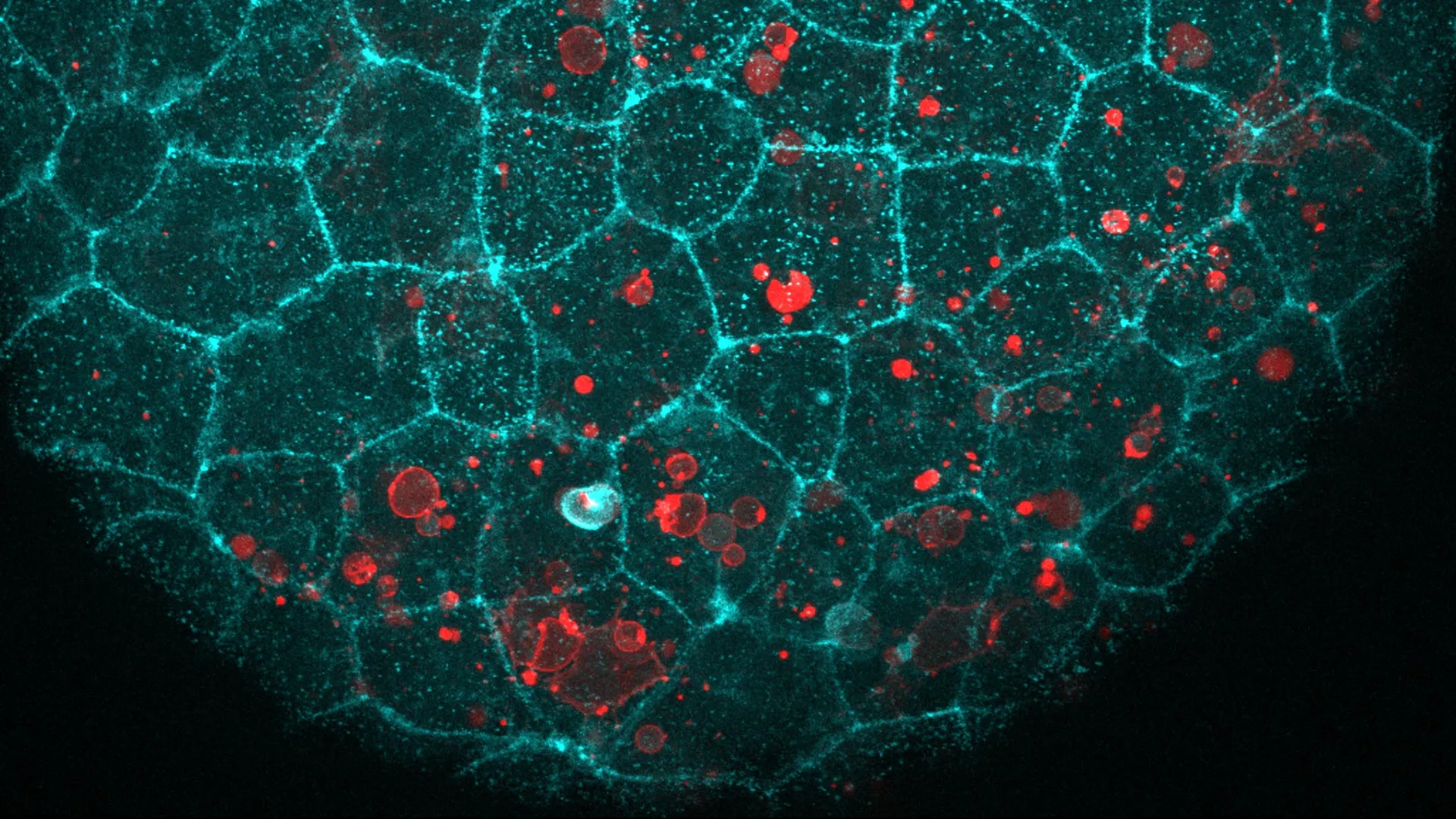
Cellular biology often reveals layers of complexity beyond initial understandings. A recent scientific breakthrough has shed new light on E-cadherin, a fundamental protein widely recognized for its crucial role in maintaining the structural integrity of tissues. Traditionally viewed as the molecular “glue” binding epithelial cells into continuous, impermeable sheets, novel research now demonstrates that this versatile protein complex possesses an unanticipated secondary function: actively participating in the efficient removal of dead or dying cells from these same tissues. This surprising discovery, detailing E-cadherin’s involvement in cellular phagocytosis—the process by which cells "eat" other cells or debris—carries significant implications for understanding and potentially treating chronic inflammatory conditions, where the failure to adequately clear cellular waste is a major contributing factor.
Epithelial cells form vital protective linings across organs, cavities, and external surfaces like the skin, executing functions from physical protection to selective absorption. The integrity of these tightly packed cellular barriers hinges critically on intercellular adhesion molecules, notably E-cadherin. As the central component of the E-cadherin complex, this transmembrane protein collaborates with three associated catenins to forge strong, calcium-dependent cell-to-cell junctions. These molecular assemblies firmly anchor adjacent epithelial cells, providing essential mechanical strength to maintain tissue architecture in areas like the gut, airways, and skin, a role traditionally seen as E-cadherin’s primary biological contribution.
Cellular life involves a constant cycle of division, differentiation, and programmed death (apoptosis). While apoptosis is essential for tissue homeostasis and disease prevention, the swift
About the Author









