
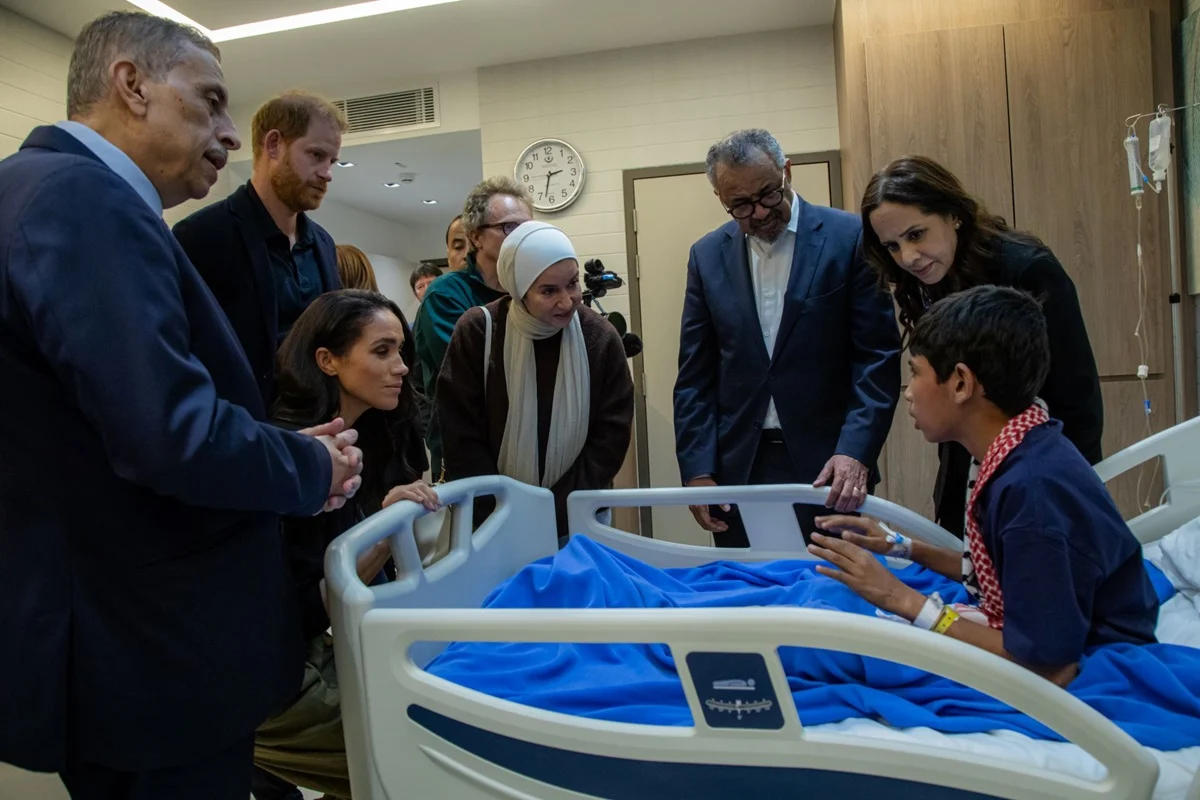
The Hashemite Kingdom of Jordan recently hosted a high-profile, two-day diplomatic engagement led by Dr. Tedros Adhanom Ghebreyesus, the Director-General of the World Health Organization (WHO), a visit designed to underscore the nation’s profound commitment to public health, particularly amidst complex regional challenges. This significant interaction highlighted the deep-seated cooperative relationship between the global health body and Jordan, a partnership vital for advancing universal health access, bolstering mental health services, and coordinating critical humanitarian aid operations across the Middle East. The agenda spanned extensive discussions on fortifying national health infrastructure, ensuring equitable access to medical care, and sustaining robust responses to ongoing emergencies, particularly those impacting the Palestinian populace, patients evacuated from the Gaza Strip for urgent treatment, and the extensive refugee communities residing within Jordan’s borders.
A pivotal moment of the visit was the esteemed audience granted by His Majesty King Abdullah II. This meeting served as a powerful testament to the strategic importance of Jordan in the global health landscape and acknowledged the monarch’s proactive leadership in elevating health as both a national imperative and a pressing international concern. The deliberations with King Abdullah II delved into strategies for reinforcing healthcare delivery mechanisms, broadening the availability of essential medical services, and maintaining consistent support for regional crisis interventions. Jordan’s geographical position and political stability have long rendered it a crucial hub for humanitarian efforts in a volatile region, and its steadfast commitment to accommodating vulnerable populations, including millions displaced from neighboring conflicts, was a central theme. Dr. Tedros conveyed his profound appreciation for His Majesty’s unwavering dedication to the principles of universal health coverage, emphasizing the moral and practical significance of ensuring that all individuals, irrespective of their socio-economic status or origin, can access necessary medical attention without financial hardship. He further extended gratitude to the Jordanian people for their extraordinary compassion and magnanimity in extending healthcare provisions to over three million refugees, predominantly from the Syrian conflict and the Gaza Strip, who have sought sanctuary within the kingdom. This immense undertaking, often taxing on national resources, has positioned Jordan as a beacon of humanitarian solidarity on the global stage.
Dr. Tedros specifically commended Jordan’s broader leadership in humanitarian endeavors, drawing particular attention to the "Medical Corridor" initiative championed by His Majesty. This vital program facilitates the transfer of critically ill and injured children from Gaza, providing them with life-saving medical care that would otherwise be inaccessible. The initiative exemplifies Jordan’s proactive approach to mitigating human suffering in crisis zones, showcasing a profound dedication to placing human welfare at the forefront of its foreign policy. This exemplary model of humanitarian intervention, the Director-General noted, serves as a powerful demonstration of what it means for a nation to truly prioritize health and humanity.
During his initial day in the country, Dr. Tedros personally visited a healthcare facility receiving support from the WHO, which specializes in providing advanced medical treatment to children evacuated from Gaza. The Director-General engaged with young patients and their families, offering words of comfort and observing the dedicated efforts of frontline medical professionals delivering critical care for severe injuries, oncological conditions, and other serious ailments. This visit profoundly underscored the indispensable nature of the medical evacuation pathway operating through Jordan and highlighted the urgent need for sustained international financial and logistical backing to ensure that children and other vulnerable individuals continue to receive essential medical services. The operational complexities of such a corridor, involving coordination across borders and often under challenging circumstances, demand persistent commitment from the global community.
A crucial component of the WHO Director-General’s agenda included convening a high-level assembly with a diverse array of health sector stakeholders. This gathering brought together representatives from various donor nations, specialized United Nations agencies, and prominent philanthropic organizations. The discussions centered on pinpointing key funding priorities necessary for enhancing Jordan’s national health infrastructure and for bolstering ongoing humanitarian health initiatives throughout the region. A significant focus of these deliberations was the imperative to significantly expand mental health services and to provide enhanced support to countries, like Jordan, that bear the substantial burden of hosting large displaced populations. Dr. Tedros expressed his profound satisfaction with the robust spirit of cooperation demonstrated by all participants and lauded their continued resolve to invest strategically in health outcomes both within Jordan and across the wider regional context. The discussions also explored innovative financing mechanisms and partnership models to ensure long-term sustainability for these critical health interventions.
In parallel to these multilateral engagements, Dr. Tedros conducted focused bilateral talks with Jordan’s Minister of Health. These discussions concentrated on strategic avenues for further strengthening Jordan’s already resilient healthcare system and accelerating progress toward achieving comprehensive universal health coverage. Jordan has distinguished itself as a global leader in adopting a primary healthcare-centered approach to realize UHC, notably through its pioneering integration of mental health services directly into routine medical care pathways. This ensures that individuals can access crucial psychological support and treatment as an integral part of their regular health provisions, helping to destigmatize mental illness and improve early intervention. The WHO continues to provide strategic and technical assistance for these groundbreaking efforts, particularly through the Director-General’s Special Initiative for Mental Health, a global program designed to accelerate mental health action and expand access to quality care worldwide.
Adding a unique dimension to several of these critical engagements was the presence of the Duke and Duchess of Sussex, Prince Harry and Meghan. They participated in their capacities as the visionary founders of Archewell Philanthropies and as long-standing advocates and supporters of the WHO’s global mission. Archewell Philanthropies has a demonstrated history of backing a wide spectrum of WHO initiatives, ranging from efforts to ensure equitable worldwide distribution of COVID-19 vaccines to supporting vital medical evacuation operations and innovative mental health programs. Prince Harry, a vocal proponent for mental well-being, specifically contributed to discussions as a dedicated ally of the WHO’s work in this domain. He emphasized the profound importance of strategic investment in mental health services across diverse communities and within emergency and conflict settings, drawing particular attention to the unique needs of men, young people, and children who are disproportionately affected by trauma and displacement.
In acknowledging their significant contributions, Dr. Tedros extended his heartfelt gratitude to all partners, specifically naming Prince Harry, the Duke of Sussex, and Meghan, the Duchess of Sussex. He underscored that their unwavering commitment to both mental health advocacy and humanitarian action has been instrumental in elevating awareness, mobilizing essential resources, and instilling a sense of hope within some of the world’s most vulnerable communities. Their collaborative efforts, he affirmed, are actively advancing the WHO’s overarching mission to realize the ambitious goal of "health for all." Prince Harry, in reflecting on the visit, conveyed his profound honor at joining the WHO Director-General in Jordan, a nation he characterized as exemplary in its demonstration of compassion, resilience, and innovative spirit. He highlighted that through the impactful work of Archewell Philanthropies, both he and his wife have gained firsthand insight into the tangible benefits of the WHO’s endeavors in supporting mental well-being and delivering essential, life-saving care during humanitarian crises. He reiterated their deep personal commitment to raising public awareness, actively working to diminish the pervasive stigma associated with mental health conditions, and expanding access to vital mental health support for all individuals impacted by conflict and widespread crisis. Mental health, he emphasized, forms an indispensable foundation for sustained recovery, preserving human dignity, and fostering long-term peace, asserting their pride in standing alongside the WHO and its global partners to elevate mental health to a preeminent global priority.
The second day of the Director-General’s visit was structured to further explore Jordan’s specialized health services and community-level initiatives. Dr. Tedros was scheduled to visit Jordan’s National Center for Rehabilitation of Addicts, a facility that benefits from WHO support and provides a holistic spectrum of integrated medical, psychological, and social services for individuals battling addiction. This visit aimed to highlight innovative approaches to substance abuse treatment, a growing public health challenge globally. Additionally, he was slated to engage with influential community leaders and various women’s empowerment groups, including representatives from the esteemed Jordanian Hashemite Fund for Human Development (JOHUD), recognizing the vital role of community participation and gender equity in health promotion. A planned visit to the renowned King Hussein Cancer Center aimed to showcase Jordan’s advancements in oncological care and explore opportunities for enhanced regional collaboration in specialized medical fields. The comprehensive State visit was set to conclude with additional engagements with key partners actively supporting humanitarian operations, serving to emphatically reinforce Jordan’s indispensable and multifaceted role as a strategic regional nexus for medical evacuations, rapid emergency response coordination, and the sustained resilience of health systems across the Middle East.
About the Author












