
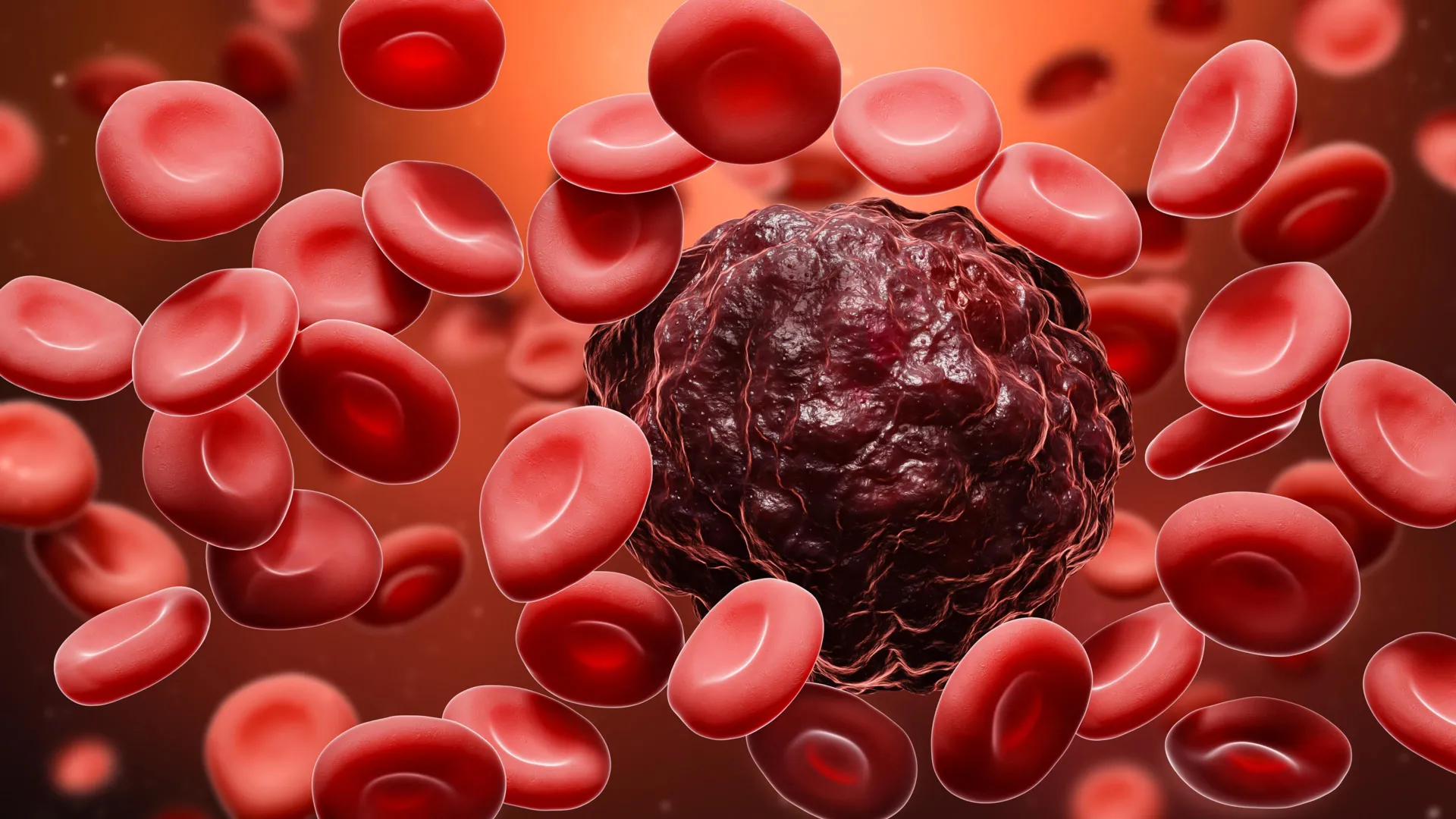
For individuals battling some of the most formidable hematologic malignancies, such as acute myeloid leukemia (AML) and myelodysplastic syndrome (MDS), conventional therapeutic pathways often lead to limited success. Allogeneic hematopoietic stem cell transplantation (HSCT) remains a critical, and often curative, option for these aggressive blood cancers, yet it carries inherent risks, including the potential for disease relapse and significant treatment-related toxicities. Even when successful, the threat of cancer returning persists, leaving clinicians with a constrained arsenal of subsequent interventions. A groundbreaking clinical investigation, spearheaded by researchers at Washington University School of Medicine in St. Louis and conducted across numerous North American institutions, has unveiled a novel strategy that could fundamentally alter this landscape: leveraging gene-editing technology to render donor stem cells resistant to subsequent targeted cancer therapies. This innovative approach aims to safeguard healthy transplanted cells while simultaneously intensifying the attack on malignant cells, potentially transforming post-transplant care for high-risk patients.
The core challenge in treating certain blood cancers, particularly AML and MDS, lies in the shared expression of specific proteins between cancerous cells and healthy hematopoietic cells, including those derived from a donor transplant. Advanced immunotherapies, such as CAR-T cell therapy, have revolutionized the treatment of some B-cell lymphomas and leukemias by engineering a patient’s own T-cells to recognize and eliminate cancer cells. However, applying this powerful modality to AML and MDS has been fraught with difficulty. As explained by Dr. John F. DiPersio, the Virginia E. & Sam J. Golman Professor of Medicine at WashU Medicine and a corresponding author on the pivotal study published in Nature Medicine, programming CAR-T cells to target a protein like CD33, which is abundantly present on AML and MDS blasts, invariably leads to "on-target, off-tumor" toxicity. This means that the CAR-T cells, while effectively recognizing the target protein, cannot distinguish between cancerous cells and essential healthy myeloid cells, including the crucial donor stem cells intended to rebuild the patient’s blood system. The indiscriminate destruction of these healthy cells can trigger severe inflammatory responses, a condition known as cytokine release syndrome, and lead to life-threatening myelosuppression, thereby undermining the therapeutic potential of the CAR-T cells themselves. This collateral damage has significantly impeded the broad application of CD33-targeted CAR-T therapies for these specific blood cancers.
The foundational concept for circumventing this formidable hurdle was initially conceived by Dr. Miriam Y. Kim, now an assistant professor of medicine at WashU Medicine, who began this pivotal research during her postdoctoral fellowship at the University of Pennsylvania before advancing it within the DiPersio laboratory. Her insightful hypothesis proposed that if donor stem cells could be selectively stripped of the very protein that CAR-T cells are designed to attack, then subsequent immunotherapies could precisely target the remaining cancer cells without harming the newly engrafted, healthy blood-forming system. This strategy represents a significant paradigm shift, moving beyond simply targeting the cancer to actively engineering the protective environment for the patient.
The protein chosen for this targeted removal is CD33, a transmembrane glycoprotein expressed on the surface of myeloid lineage cells. CD33 is an attractive therapeutic target for several reasons: it is consistently expressed on AML and MDS blasts, making it a reliable marker for these cancers; it is found exclusively on blood-forming cells and not on other vital tissues throughout the body, minimizing potential off-target effects on organs; and crucially, scientific evidence suggests that CD33 is not indispensable for normal hematopoietic stem cell function. Individuals born with a natural genetic absence of CD33 generally do not exhibit significant related health complications, implying that its removal from donor stem cells would likely not impair their ability to reconstitute a healthy blood system.
To achieve this selective removal, researchers employed CRISPR-Cas9 gene editing technology. CRISPR (Clustered Regularly Interspaced Short Palindromic Repeats) offers unparalleled precision in gene manipulation, acting like molecular scissors that can be programmed to cut DNA at specific locations. In this context, CRISPR was utilized to inactivate the gene responsible for CD33 expression in donor hematopoietic stem cells. The goal was to generate a population of healthy donor cells that, once transplanted, would establish a new blood system completely lacking CD33. These "CD33-deleted" cells would then be invisible to any future therapies designed to attack CD33, creating a protected sanctuary for the patient’s new, healthy blood cells. Conversely, any cells within the patient that still expressed CD33 would, by definition, be residual or relapsed cancer cells, thus becoming highly vulnerable targets for CD33-directed immunotherapies.
The multi-center, phase 1/2 clinical trial enrolled 30 adult patients diagnosed with high-risk AML or MDS, a population for whom conventional treatments often fall short and relapse rates are high. Prior to transplantation, stem cells harvested from compatible donors underwent genetic modification using CRISPR technology to excise the CD33 gene. The resulting gene-edited stem cell product, known as tremtelectogene empogeditemcel (trem-cel), was developed by Vor Biopharma, which also provided funding for the study. Following transplantation with trem-cel, patients received a standard maintenance treatment: gemtuzumab ozogamicin. This drug, while not a CAR-T therapy, is an antibody-drug conjugate approved by the FDA for CD33-positive AML. It works by recognizing CD33 on cell surfaces and then delivering a potent chemotherapy agent directly into those cells. While effective in preventing relapse, the utility of gemtuzumab ozogamicin is typically limited by severe side effects, including liver toxicity and significant damage to healthy blood-forming cells, leading to dangerously low counts of white blood cells, red blood cells, and platelets. The inclusion of this drug in the trial served as a critical test of whether the CD33-deleted stem cells could truly withstand a CD33-targeted therapy.
The outcomes of the trial were highly encouraging. All 30 patients achieved successful engraftment by day 28 post-transplant, meaning the genetically modified donor stem cells had successfully homed to the bone marrow and initiated the production of new blood cells. This engraftment timeline was consistent with what is typically observed in standard, unedited stem cell transplantations. Furthermore, platelet production returned within an average of 16 days. The average overall survival for this high-risk patient cohort was just over 14 months. Nineteen patients received at least one cycle of gemtuzumab ozogamicin as part of a dose-escalation protocol designed to determine a recommended dose. Crucially, across all tested doses, patients who received the CD33-deleted stem cells maintained their blood cell counts remarkably well. This finding strongly suggested that the gene-edited transplant effectively protected the healthy blood system from the myelosuppressive effects commonly associated with gemtuzumab ozogamicin in conventional transplants, thus validating the "shielding" hypothesis.
Regarding safety, the adverse events observed during the trial were broadly consistent with those typically seen after standard allogeneic stem cell transplantation. These included common transplant-related complications such as anemia, low platelet counts, fever, various infections, and graft-versus-host disease (GVHD), a serious condition where the transplanted donor immune cells attack the patient’s healthy tissues. Unfortunately, seven patients died during the study period; four of these deaths were attributed to the progression of their underlying cancer, while three were linked to transplant-related complications, specifically kidney failure, liver toxicity, and sepsis. These outcomes underscore the inherent risks associated with treating aggressive blood cancers and performing stem cell transplants, but importantly, they did not suggest any novel or exacerbated toxicities directly attributable to the CRISPR gene editing itself.
The implications of these findings are profound, laying a robust foundation for the development of future therapeutic strategies. Dr. DiPersio expressed optimism that these results will enable the safe combination of CD33-deleted stem cell transplantation with highly potent CD33-targeted immunotherapies, such as CAR-T cells, in subsequent trials. The ultimate objective is to empower clinicians to deploy aggressive, highly effective anti-cancer agents that specifically eliminate malignant cells without simultaneously decimating the patient’s essential, newly established healthy blood system. This strategy opens a critical therapeutic window that was previously inaccessible due to the prohibitive toxicity profile of existing CD33-targeted agents when used after standard transplants.
Further substantiating this future vision, Dr. DiPersio and his collaborators previously reported a compelling single-patient case study, published in JCO Precision Oncology in October 2025. This case involved a patient with an exceptionally aggressive form of high-risk AML who underwent a CD33-deleted stem cell transplant. When the patient’s cancer later recurred, they were subsequently treated with CD33-targeted CAR-T cells, ingeniously manufactured from T-cells provided by the very same donor who supplied the original gene-edited stem cells. The outcome was remarkable: the patient achieved a complete remission and remained cancer-free for more than a year following the CAR-T treatment. Furthermore, normal blood cell production resumed, and comprehensive analysis confirmed that all of the patient’s new blood cells lacked CD33, definitively demonstrating that the genetically engineered donor cells had successfully engrafted and established a durable, CD33-negative hematopoietic system. This individual case serves as a powerful proof-of-concept for the synergistic potential of this two-pronged approach, showcasing how genomic shielding can enable curative-intent immunotherapies for previously intractable cancers.
The successful clinical trial, supported by Vor Biopharma, which developed trem-cel and whose employees were co-authors, represents a significant leap forward in precision oncology. It introduces a paradigm where the patient’s hematopoietic system is engineered for resilience, thereby enabling more aggressive and precise targeting of cancer. This strategy could potentially be adapted for other cancers where shared antigens limit the efficacy of targeted immunotherapies. While further, larger-scale clinical trials specifically integrating CD33-targeted CAR-T cells are necessary to fully realize the promise of this technology, the current findings offer a beacon of hope for patients with aggressive blood cancers, pointing towards a future where sophisticated gene-editing tools pave the way for safer, more effective, and potentially curative treatment options.
About the Author









