
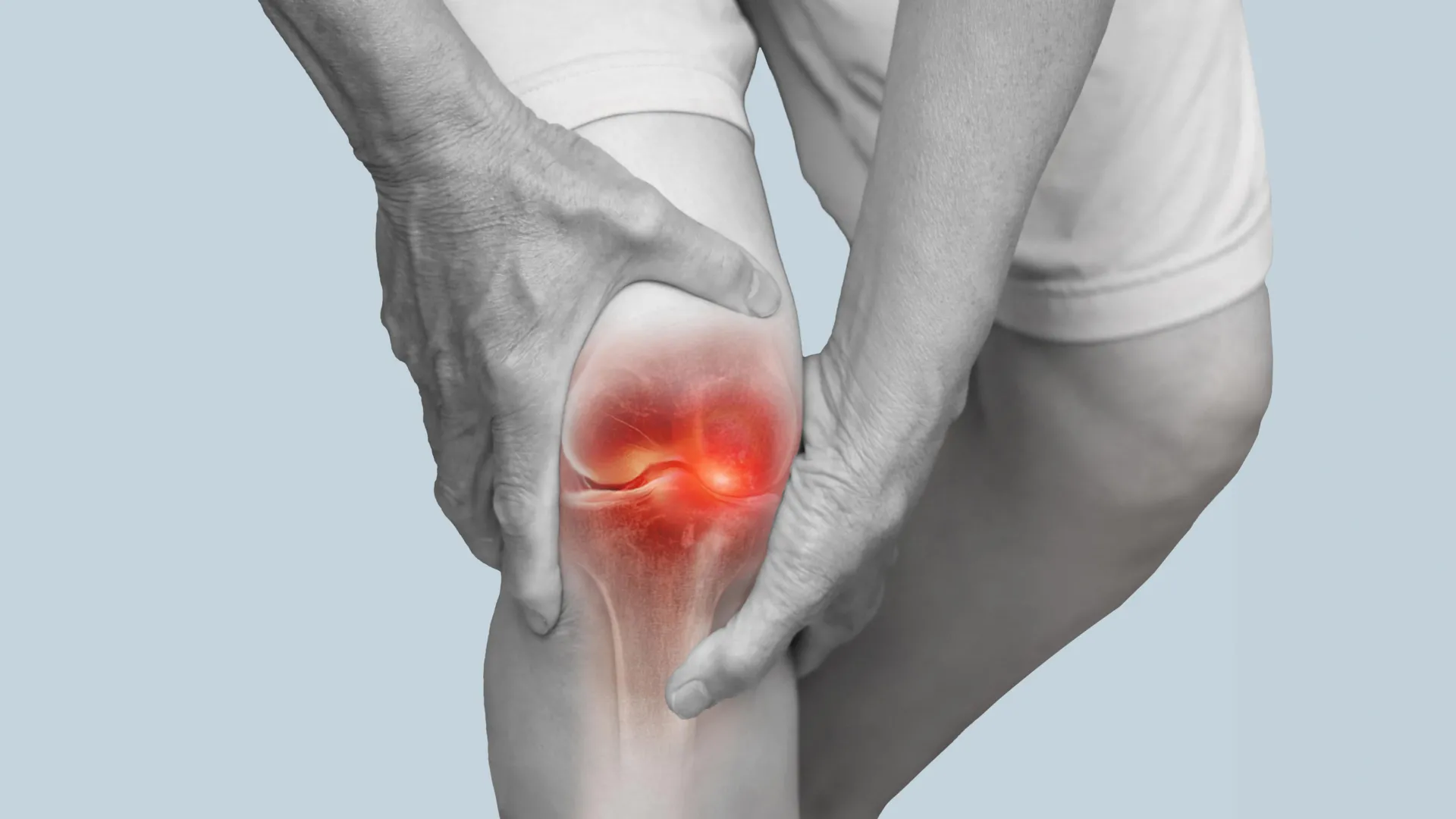
Knee osteoarthritis (KOA) represents a pervasive and often debilitating degenerative joint disease, impacting millions globally, particularly among the aging population. This chronic condition is characterized by the progressive breakdown of cartilage in the knee joint, leading to a spectrum of symptoms including persistent discomfort, stiffness, swelling, and diminished range of motion. The cumulative effect often translates into significant functional limitations, hindering daily activities such as walking, climbing stairs, and even simple movements, thereby severely compromising an individual’s quality of life. As the global demographic shifts towards an older population, the prevalence and societal burden of KOA are projected to escalate, underscoring an urgent need for effective and sustainable management strategies.
Traditional pharmacological approaches frequently involve the prescription of non-steroidal anti-inflammatory drugs (NSAIDs) to alleviate pain and inflammation. While these medications can offer symptomatic relief, their long-term use is associated with considerable adverse effects, including an elevated risk of gastrointestinal complications such as ulcers and bleeding, as well as potential cardiovascular issues. These concerns have driven a heightened interest within the medical community and among patients for viable, non-pharmacological interventions that can effectively mitigate KOA symptoms without introducing the systemic risks inherent to drug therapies. The pursuit of safer, yet equally efficacious, alternatives has become a critical area of focus in clinical research and patient care.
In response to this pressing need, a comprehensive analytical endeavor was undertaken to systematically evaluate the efficacy of various non-drug treatments for knee osteoarthritis. This significant research, spearheaded by Dr. Yuan Luo from the First People’s Hospital of Neijiang, China, culminated in a large-scale analysis published in the open-access scientific journal PLOS One. The study’s primary objective was to discern which medication-independent modalities provided the most substantial benefits in terms of pain reduction, stiffness alleviation, and improvement in physical function for individuals suffering from KOA.
To achieve this, the research team employed a sophisticated statistical technique known as network meta-analysis. Unlike traditional meta-analyses that typically compare only two treatments directly, a network meta-analysis allows for the simultaneous comparison of multiple interventions, both directly (from head-to-head trials) and indirectly (by linking treatments through a common comparator). This methodology is particularly powerful as it synthesizes evidence from a vast array of studies, providing a more robust and comprehensive understanding of the relative effectiveness of different therapies, even those that have not been directly pitted against each other in clinical trials. For this particular investigation, the researchers meticulously synthesized data from an impressive collection of 139 individual clinical trials, collectively encompassing nearly 10,000 participants diagnosed with knee osteoarthritis. This extensive dataset enabled a granular examination of 12 distinct therapeutic approaches, offering an unparalleled scope for comparative effectiveness research in this domain.
The array of treatments scrutinized in the analysis spanned a wide spectrum, from established physical modalities to more technologically advanced interventions. These included, but were not limited to, the use of knee braces, orthotic insoles, various forms of exercise regimens, aquatic therapy (hydrotherapy), kinesiology taping, electrical stimulation techniques, high-intensity laser therapy, shock wave therapy, and therapeutic ultrasound. By subjecting such a diverse range of interventions to a unified comparative framework, the study aimed to provide clear, evidence-based guidance for clinicians and patients navigating the complex landscape of KOA management.
Among the various interventions evaluated, several non-pharmacological approaches emerged as particularly effective, demonstrating superior outcomes across key symptomatic and functional measures. Notably, the application of knee braces consistently ranked highly in the analysis. These external devices are designed to provide mechanical support, improve joint stability, and redistribute load across the knee joint, thereby reducing stress on damaged cartilaginous areas. Different types of braces exist, including unloader braces that shift weight away from the affected compartment and patellar braces that support the kneecap. The study indicated that the use of knee braces was significantly correlated with substantial reductions in pain perception, decreased joint stiffness, and tangible improvements in overall physical function, enabling patients to engage more comfortably in daily activities.
Hydrotherapy, often referred to as water-based exercise or aquatic therapy, also distinguished itself as a highly beneficial intervention, particularly for its potent pain-relieving properties. The unique properties of water, such as buoyancy, reduce the gravitational load on the joints, allowing individuals to perform exercises with less discomfort and impact than on land. The warmth of the water often contributes to muscle relaxation and increased blood flow, further aiding pain relief and improving joint mobility. Hydrotherapy programs typically involve a combination of strengthening exercises, flexibility drills, and cardiovascular conditioning performed in a controlled aquatic environment, making it an ideal option for individuals with significant pain or mobility limitations.
Consistent exercise programs, encompassing a variety of modalities such as strengthening, aerobic, and flexibility exercises, also demonstrated widespread and reliable benefits. Regular physical activity is a cornerstone of KOA management, working through multiple mechanisms. It strengthens the muscles surrounding the knee joint, providing better support and stability. It helps maintain joint flexibility and range of motion, counteracting stiffness. Furthermore, exercise contributes to weight management, which is crucial as excess body weight significantly increases the load on knee joints. Beyond the direct mechanical and physiological benefits, exercise has also been shown to improve mood, reduce fatigue, and enhance overall well-being in individuals with chronic conditions. The study reinforced the critical role of structured physical activity in ameliorating both pain and physical function in KOA patients.
The analysis also shed light on the potential efficacy of some more technologically advanced treatments. High-intensity laser therapy and shock wave therapy showed promise in specific areas, suggesting their utility for certain patient profiles or symptom presentations. High-intensity laser therapy is thought to promote cellular repair, reduce inflammation, and alleviate pain through photobiomodulation. Shock wave therapy, typically used to treat musculoskeletal conditions, involves delivering acoustic waves to the affected area, which is believed to stimulate healing processes and provide analgesic effects. While these methods may offer benefits, their accessibility and cost can sometimes be higher compared to more conventional physical therapies.
Conversely, not all treatments evaluated demonstrated comparable levels of effectiveness. Therapeutic ultrasound, a commonly used modality in physical therapy, repeatedly appeared near the lower end of the effectiveness rankings in this extensive comparison. This finding suggests that while ultrasound is widely available and often employed for various musculoskeletal conditions, its specific benefits for knee osteoarthritis pain and function may be less pronounced or consistently evidenced compared to other interventions. The mechanism of action for therapeutic ultrasound typically involves thermal and non-thermal effects aimed at tissue healing and pain reduction, but the robust data from this meta-analysis indicates a weaker overall impact in the context of KOA.
A significant takeaway from these findings is the affirmation that relatively straightforward and widely accessible therapeutic options often provide the most substantial benefits for managing knee osteoarthritis without resorting to medication. This underscores the potential for effective symptom management through interventions that are often less complex, more readily available, and generally lower in cost than some high-tech alternatives. This insight could empower both patients and healthcare providers to prioritize practical, evidence-based strategies in their treatment plans.
Despite the comprehensive nature of this network meta-analysis, the researchers prudently highlighted several inherent limitations that warrant consideration. The 139 included studies exhibited a degree of heterogeneity in their design, participant selection criteria, specific intervention protocols, and duration of treatment. Some trials involved relatively small cohorts of participants, which can affect the statistical power and generalizability of their individual findings. Furthermore, the duration of follow-up varied considerably across studies, making it challenging to definitively assess long-term efficacy for all interventions. These methodological differences introduce a degree of uncertainty when attempting to precisely rank therapies and underscore that while the overall trends are robust, the exact hierarchy might be subject to subtle variations depending on specific study characteristics.
Notwithstanding these limitations, the authors unequivocally concluded that physical therapies represent a highly promising and invaluable component of KOA management. They offer compelling, medication-independent alternatives to anti-inflammatory drugs, circumventing the associated gastrointestinal and cardiovascular risks. The implications of this research are profound for clinical practice, suggesting a potential paradigm shift towards greater emphasis on these non-pharmacological options.
The research team specifically advocated for the prioritization of knee braces, hydrotherapy, and structured exercise programs in clinical guidelines and patient management strategies. These modalities not only demonstrated superior efficacy in reducing pain and improving mobility but also presented a safer profile, devoid of the systemic side effects linked to common pain medications. Therefore, patients and their clinicians are encouraged to actively consider and integrate these evidence-based interventions into their personalized treatment plans.
Looking ahead, the researchers emphasized several critical avenues for future investigation. A crucial area involves exploring the potential benefits of combining different therapeutic modalities. It remains to be determined whether synergistic effects can be achieved by integrating, for instance, exercise with bracing or hydrotherapy, leading to even greater improvements in patient outcomes. Additionally, future research must rigorously evaluate the cost-effectiveness of these interventions. Understanding which approaches provide the greatest health benefits relative to their financial outlay is essential for optimizing healthcare resource allocation and ensuring equitable access to effective care. The profound insights gleaned from this extensive analysis, comparing nearly 10,000 patient experiences, have the potential to significantly inform and reshape clinical recommendations, moving towards a model of care that champions safer, more accessible, and demonstrably effective interventions for the millions afflicted by knee osteoarthritis.
About the Author









