
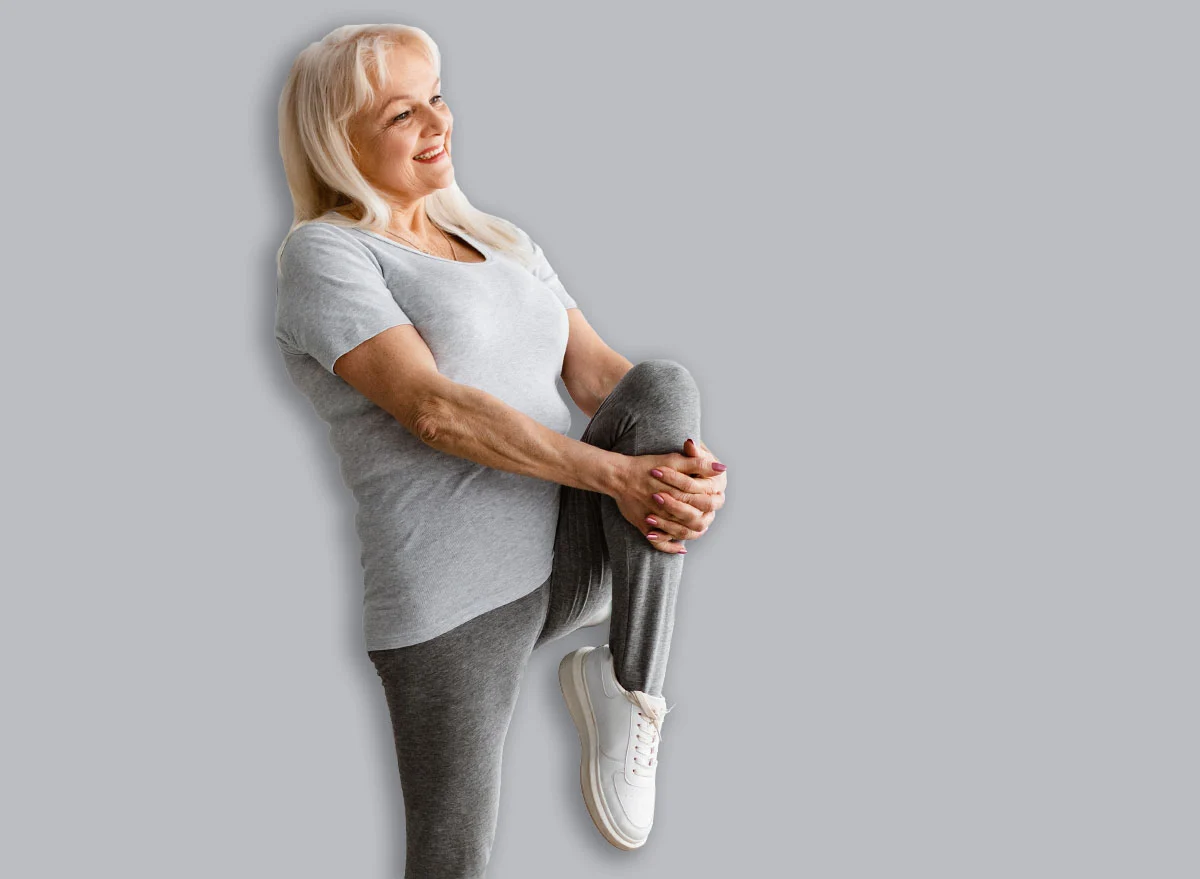
The natural progression of aging often brings with it a gradual decline in various physical capacities, including the ability to maintain a brisk walking pace. For many individuals over the age of 65, what was once an effortless stride can become noticeably slower, impacting independence, social engagement, and overall quality of life. This phenomenon is not merely an inconvenience but a significant indicator of musculoskeletal and neuromuscular changes, necessitating a focused approach to physical activity beyond simple endurance walks. While sustained aerobic activity is crucial for cardiovascular health, restoring the propulsive power and stability essential for quicker ambulation requires specific, targeted training that emphasizes both strength and speed.
The physiological underpinnings of this decline are multifaceted. As individuals age, a condition known as sarcopenia—the progressive loss of muscle mass and strength—becomes increasingly prevalent. This loss disproportionately affects fast-twitch muscle fibers, which are responsible for rapid, powerful contractions. Consequently, the capacity to generate force quickly, known as muscular power, diminishes. Beyond muscle tissue, neurological changes, such as slower nerve conduction velocity and reduced motor unit recruitment, also contribute to decreased reaction times and coordination. Furthermore, age-related changes in joint flexibility, balance, and proprioception (the body’s sense of its position in space) compound these challenges, making dynamic movements like swift walking more demanding and less stable.
Maintaining a robust walking speed is more than just a matter of convenience; it serves as a critical biomarker for overall health and longevity. Studies have consistently linked slower gait speed in older adults to an elevated risk of falls, increased hospitalization rates, reduced functional independence, and even higher mortality rates. Conversely, preserving or improving walking speed can significantly enhance an individual’s capacity to perform daily activities, participate in community life, and maintain a higher degree of autonomy, contributing to improved mental well-being and a greater sense of self-efficacy.
To effectively counteract the age-related deceleration of gait, a training regimen must move beyond merely increasing walking distance. While endurance builds stamina, it does not inherently restore the explosive power and dynamic stability required for a faster stride. The key lies in incorporating exercises that challenge the body to generate force rapidly and control movement efficiently. This type of training focuses on the specific biomechanical components of walking, which involve a complex interplay of ankle push-off, hip extension, hip flexion, and single-leg balance throughout the gait cycle. By targeting these elements, individuals can rebuild the foundational capabilities lost over time.
Fitness professionals often emphasize a series of movements designed to enhance these critical aspects of walking mechanics. These exercises are typically performed with controlled speed, focusing on explosive concentric (muscle shortening) phases and deliberate eccentric (muscle lengthening) phases, teaching muscles to fire quickly and absorb impact safely. A recommended approach involves performing these power-focused movements approximately three to four times per week, allowing for adequate recovery between sessions. For each exercise, two to four sets are generally advised, with repetitions adjusted based on individual capability and the goal of maintaining high-quality, powerful execution rather than simply completing a high volume.
1. Dynamic Chair Stand (Fast Chair Stand)
The chair stand is a foundational functional movement that directly translates to daily activities, mirroring the action of standing up from a seated position. It engages a comprehensive array of lower body muscles crucial for walking, including the quadriceps, glutes, hamstrings, and calves. Its dynamic variation, the "Fast Chair Stand," specifically targets explosive power generation from the lower body. This exercise teaches the musculature to initiate force quickly, a vital component for propulsive thrust during walking.
- Execution: Begin by sitting on a sturdy chair with feet flat on the floor, hip-width apart. Lean slightly forward, engaging your core. From this position, drive through your heels and explode upwards, aiming to stand as quickly and powerfully as possible, fully extending your hips and knees. Once standing tall, slowly and deliberately lower yourself back into the chair, maintaining control throughout the descent. The controlled lowering phase helps build eccentric strength and improves balance. The chair acts as a safety net, offering support and reducing the risk of imbalance during the dynamic ascent.
- Focus: Emphasize the rapid upward movement to train fast-twitch muscle fibers. Ensure proper form, keeping the chest up and back straight, avoiding any forward rounding. As strength improves, consider holding a light weight (e.g., a dumbbell held at chest level) for progressive overload.
2. Dumbbell Romanian Deadlift (RDL)
Many powerful movements within the human body, including the propulsive phase of walking, originate from the hips. The Dumbbell Romanian Deadlift is an excellent exercise for strengthening the posterior chain—specifically the glutes and hamstrings—and improving hip hinge mechanics. Proper hip extension is paramount for generating forward momentum during each stride. Furthermore, strong hamstrings are critical for decelerating the leg during the swing phase of walking and providing stability upon foot strike, which is essential for safely achieving a faster pace.
- Execution: Stand tall with feet hip-width apart, holding a dumbbell in each hand, palms facing your body, arms extended downwards. Maintain a slight bend in your knees throughout the movement. Initiate the movement by pushing your hips backward as if reaching for a wall behind you, allowing the dumbbells to descend close to your shins. Keep your back straight, chest up, and core engaged to protect your lower spine. Lower the weights until you feel a comfortable stretch in your hamstrings, typically around mid-shin or just below the knees, without letting your back round. Squeeze your glutes to drive your hips forward, returning to the starting upright position.
- Focus: The primary movement should be at the hips, not the lower back. Think of it as a controlled hinge rather than a squat. Engage your core throughout to maintain spinal stability. This exercise enhances the coordinated action of the glutes and hamstrings, directly translating to more powerful and controlled hip drive during walking.
3. High-Knee March
The hip flexors, a group of muscles at the front of the hip, play an incredibly significant role in the walking movement, particularly in lifting the knee and driving the leg forward. The High-Knee March is a dynamic exercise that directly targets these muscles, enhancing their strength, range of motion, and speed of contraction. By improving hip flexor function, individuals can achieve a longer stride length and a quicker leg turnover, both crucial for increasing walking speed.
- Execution: Stand tall with your feet hip-width apart. Begin by alternately driving each knee up towards your hip height in a controlled yet swift manner. As one knee rises, the opposite arm should swing forward, mimicking a natural walking motion. Focus on maintaining a good rhythm and tempo. Initially, concentrate on achieving the full range of motion, then gradually increase the speed of the marching motion. The goal is to develop a quick, fluid motion without sacrificing balance or control.
- Focus: Emphasize lifting the knee actively and quickly. This exercise not only strengthens the hip flexors but also improves dynamic balance and coordination, teaching the body to maintain stability while moving limbs rapidly. Start at a manageable tempo and progressively increase the speed as coordination and strength improve.
4. Single-Leg Stand
Perhaps one of the most underestimated yet crucial limiting factors behind efficient and quick walking is the ability to maintain balance on one leg. Walking is inherently a series of controlled single-leg stances and transitions. As one leg swings forward, the opposing leg must bear the entire body weight, requiring substantial stability from the ankle, knee, hip, and core. Without adequate single-leg balance, the body instinctively slows down to compensate for perceived instability, making it impossible to safely restore a faster walking pace. This exercise directly trains the proprioceptive system and stabilizing muscles.
- Execution: Stand upright with feet together. Slowly shift your weight onto one leg, gently lifting the other foot off the ground. Initially, you may place your hand lightly on a stable object like a wall or chair for support. Focus your gaze on a fixed point in front of you. Aim to hold this position for 20-30 seconds, maintaining a strong, stable posture without wobbling excessively. Engage your core and imagine a string pulling you upwards from the top of your head. Gradually progress by reducing reliance on external support until you can balance freely.
- Focus: This exercise enhances ankle stability, strengthens the small stabilizing muscles around the hip and knee, and improves core control. It directly translates to greater confidence and efficiency during the single-leg support phase of walking, allowing for a more dynamic and quicker stride.
5. Standing Calf Raise with Quick Drive
The calf muscles, primarily the gastrocnemius and soleus, are indispensable for the final push-off phase of each step. They provide the powerful plantarflexion (pointing the foot downwards) that propels the body forward and contributes significantly to stride length and walking efficiency. Weak calf muscles directly lead to a shorter, less powerful stride, resulting in a slower overall walking pace. The "Quick Drive" element emphasizes the explosive nature required for an effective push-off.
- Execution: Stand with your feet hip-width apart, either on a flat surface or with the balls of your feet on a slightly elevated platform (like a step) for a greater range of motion. Begin by lowering your heels slightly below the level of your toes (if on a step) to stretch the calves. From this stretched position, drive powerfully through the balls of your feet and toes, raising your heels as high as possible as quickly as you can. Hold briefly at the peak contraction, then slowly and deliberately lower your heels back down to the starting position. Ensure even pressure through the toes, avoiding any inward or outward rolling of the ankle.
- Focus: The emphasis here is on the explosive upward movement, followed by a controlled descent. This trains the calves to generate force rapidly, mimicking the powerful push required at the end of each walking step. As strength improves, consider performing the exercise with a single leg or holding a dumbbell for added resistance.
Implementing these targeted power and stability exercises into a regular fitness routine can significantly contribute to enhancing walking speed and overall functional mobility in older adults. Beyond the direct improvements in gait, these movements foster greater muscle strength, improve balance, and enhance proprioception, collectively reducing the risk of falls and promoting a higher quality of life. As with any new exercise program, it is advisable to consult with a healthcare professional or a certified fitness expert to ensure the regimen is appropriate for individual health status and fitness levels, allowing for safe and effective progress toward reclaiming dynamic, age-defying strides.
About the Author










