
For centuries, the trajectory of human life expectancy has largely pointed upwards, a testament to monumental advancements in public health, medical science, sanitation infrastructure, and nutritional understanding. From the eradication of devastating infectious diseases to the development of sophisticated surgical techniques and pharmaceuticals, each epoch has contributed to a progressive extension of human lifespan. However, contemporary demographic and epidemiological studies suggest that this historical ascent may be reaching a plateau in many affluent nations. This emergent trend poses a profound question: if the conventional strategies for preventing illness are nearing their maximum impact, what then becomes the next frontier in the pursuit of longer, healthier lives? The focus increasingly shifts from merely staving off disease to fundamentally comprehending and potentially modulating the intricate biological processes of aging itself.
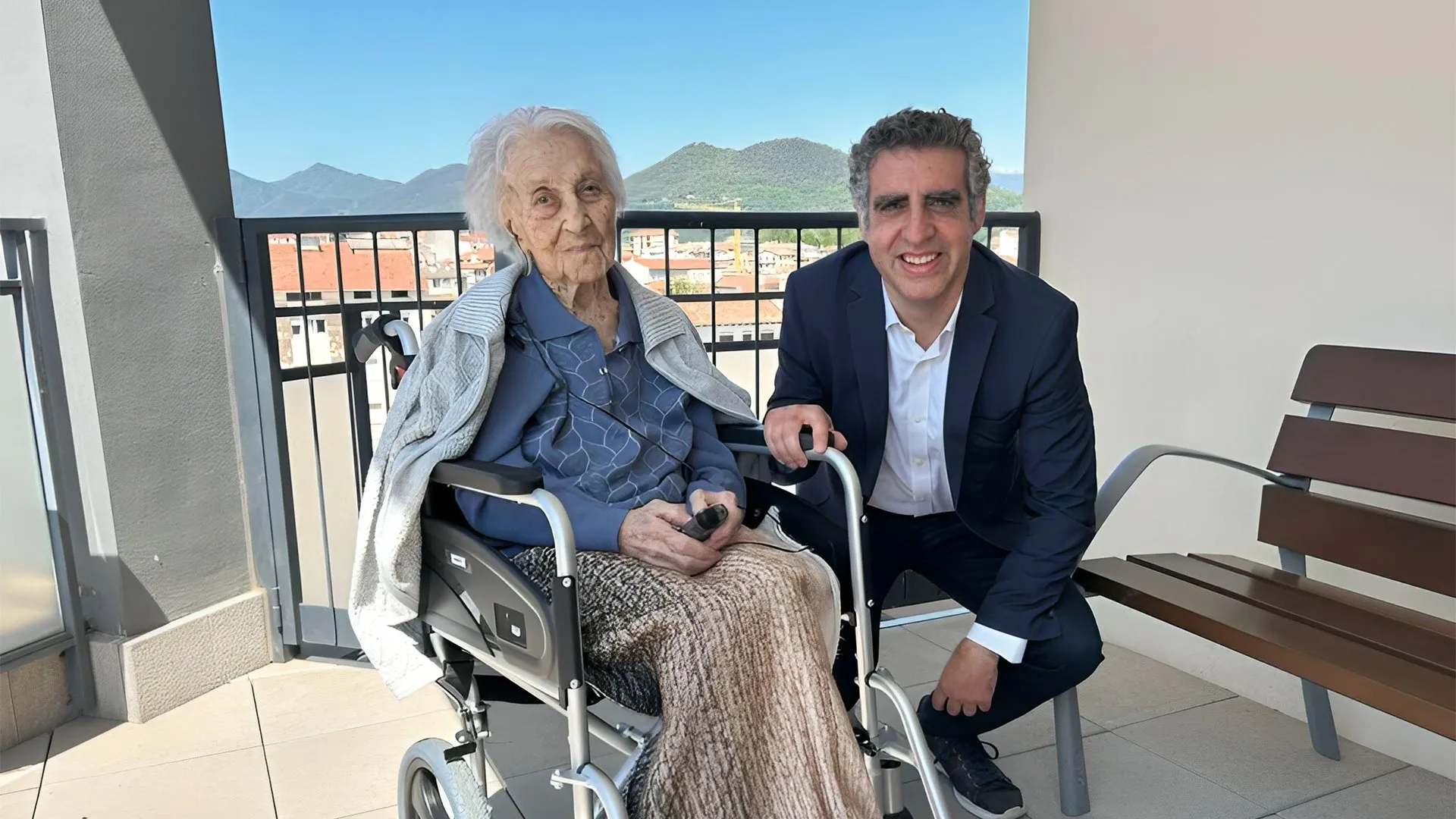
This pivotal inquiry into the nature of aging finds a unique lens in the study of supercentenarians – individuals who live to 110 years or beyond. These rare individuals represent a natural experiment in extreme human longevity, offering invaluable insights into the genetic, epigenetic, and environmental factors that permit such extraordinary lifespans. Among these exceptional few was Maria Branyas Morera, a Catalan woman who lived to the remarkable age of 117 years, becoming one of the oldest validated individuals globally. Her exceptional longevity presented an unprecedented opportunity for scientific investigation, moving beyond mere demographic observation to an in-depth biological dissection of what it means to age to such an advanced stage.
A multidisciplinary research consortium, spearheaded by Dr. Manel Esteller, who leads the Cancer Epigenetics group at the prestigious Josep Carreras Leukaemia Research Institute, has now unveiled the comprehensive findings from their rigorous study of Branyas. Their work, meticulously peer-reviewed and published in the esteemed journal Cell Reports Medicine, represents a landmark achievement in geroscience. The investigation, which benefited from the coordinated efforts of Dr. Esteller and was primarily led by Eloy Santos, stands out for its unparalleled depth, employing a multi-omic approach to paint the most exhaustive biological portrait of a supercentenarian ever achieved.
Rather than merely observing a uniform deceleration of the aging process across Branyas’s biological systems, the research team encountered a far more intricate and paradoxical reality. The analysis revealed what Dr. Esteller characterized as a "profound biological dichotomy," an astonishing coexistence of pronounced indicators of extreme biological senescence alongside robust markers of enduring health and protective resilience. This finding fundamentally challenges simplistic notions of aging as a monolithic, uniformly degenerative process, suggesting instead a complex interplay of decay and remarkable preservation.
To unravel the complexities of Branyas’s biology, the researchers employed a suite of cutting-edge ‘omics’ technologies. This "multi-omic" methodology involved simultaneously examining several layers of biological information from minimally invasive samples.
- Genomics provided a blueprint of her DNA, identifying any unique genetic predispositions.
- Epigenomics delved into the modifications of her DNA and associated proteins that regulate gene expression without altering the underlying genetic code, essentially assessing how her genes were being turned on or off over time.
- Proteomics explored the vast array of proteins within her cells, which are the workhorses of biological processes.
- Metabolomics analyzed the small molecule metabolites present, offering a snapshot of her metabolic state and biochemical reactions.
- Microbiomics investigated the composition and function of her gut microbiota, the vast community of microorganisms inhabiting her digestive tract, known for their profound impact on overall health.
This integrated, holistic approach allowed the scientists to construct a remarkably detailed and interconnected view of her physiological landscape, offering insights that single-omic studies could never provide.
Upon scrutinizing these multi-omic datasets, distinct signatures of Branyas’s advanced chronological age were undeniably evident. Her telomeres, the protective caps at the ends of chromosomes vital for maintaining genomic integrity during cell division, were observed to be exceptionally short. Telomere attrition is a well-established hallmark of cellular aging, reflecting a history of countless cell divisions and accumulated cellular stress. Furthermore, her immune system displayed characteristics associated with "inflammaging," a state of chronic, low-grade inflammation that is a significant contributor to age-related pathologies. This was coupled with an aged population of B lymphocytes, critical immune cells responsible for producing antibodies, indicating a potential decline in adaptive immune function often seen in the very elderly.
Yet, counterbalancing these overt signs of extreme aging were a series of remarkably favorable biological attributes, acting as bulwarks against the ravages of time. Genetically, Branyas possessed specific variations associated with enhanced neuroprotection and cardioprotection, suggesting an inherent resilience against common age-related neurological and cardiovascular diseases. Paradoxically, despite the pro-inflammatory markers, her overall systemic inflammatory levels were genuinely low, indicating an effective regulatory capacity to mitigate chronic inflammation. Her gut microbiome was notably dominated by beneficial Bifidobacteria, a genus of bacteria widely recognized for its positive contributions to gut health, immune modulation, and nutrient absorption. Perhaps one of the most intriguing findings was her "epigenetic biological age," which, when calculated using sophisticated molecular clocks based on DNA methylation patterns, appeared significantly younger than her actual chronological age. This discordance suggests that, at a molecular level, some of her tissues or systems were aging at a slower rate than her birth certificate implied.
This compelling juxtaposition of advanced age markers and robust protective mechanisms holds profound implications for our understanding of extreme longevity. It suggests that reaching an extraordinary age may not necessitate a complete evasion of the aging process across all biological fronts. Instead, exceptional longevity might be achievable through a selective retention of key protective traits that effectively buffer or compensate for the inevitable physiological wear and tear associated with aging, allowing individuals to navigate the challenges of extreme age with remarkable resilience.
Beyond the direct implications for longevity research, the study’s findings also cast light on the development of specific age-related diseases. The aging of the hematopoietic system—the complex network responsible for producing blood cells—is intrinsically linked to an elevated susceptibility to severe and often intractable blood cancers, including leukemia and myelodysplastic syndromes. By providing an unprecedentedly detailed biological profile of an individual who reached an extreme age without succumbing to these conditions, Branyas’s case offers crucial insights. It could help scientists decipher the mechanisms underlying the development of these hematological malignancies and shed light on why certain older individuals appear more vulnerable than others to these devastating diseases.
One of the most extraordinary aspects that elevated the significance of this research was Maria Branyas’s remarkable lack of major chronic diseases throughout her exceptionally long life. In typical geriatric studies, disentangling the pure effects of aging from the compounding influences of age-related diseases—such as diabetes, heart disease, or Alzheimer’s—is an immense challenge. Branyas’s relatively disease-free state provided researchers with a uniquely unadulterated canvas to observe the intrinsic biological changes wrought by aging itself, largely unmasked by the pathologies that commonly afflict the elderly. This allowed the scientific community to obtain a clearer, more holistic perspective on the fundamental biological transformations that occur as the human body ages to its absolute limits, offering a rare opportunity to distinguish age-related changes from disease processes.
While the primary focus of this study was a deep dive into Branyas’s biological markers, researchers also acknowledged the potential role of environmental and lifestyle factors, albeit with the appropriate scientific caution that direct causal links to specific biological traits cannot yet be firmly established. Nonetheless, Mrs. Branyas’s life was characterized by elements often associated with healthy aging, including what was described as a healthy diet, consistent engagement in a stimulating and diverse social network, and a lifelong absence of toxic habits such as smoking or excessive alcohol consumption. These factors, while not quantified in the multi-omic analysis, contribute to a broader narrative about the multifaceted nature of human longevity.
Ultimately, this pioneering study provides the global scientific community with an invaluable new reference point for investigating the complex and elusive process of aging. By furnishing such an exquisitely detailed biological snapshot of extreme longevity, it equips researchers with concrete data to test hypotheses, develop new models, and refine their understanding of the fundamental mechanisms that govern human lifespan and healthspan.
The aspiration of scientists is that a more profound and granular understanding of aging’s biological underpinnings could pave the way for innovative therapeutic strategies that directly target the aging process itself, mirroring the success of modern medicine in combating specific diseases. The burgeoning field of geroscience is dedicated to this very goal, seeking to intervene in the core biological pathways of aging rather than just treating individual age-related diseases. Promising avenues of research are already being explored, including epigenetic therapies designed to modulate gene expression and senolytics—a class of drugs engineered to selectively eliminate senescent cells, which accumulate with age and contribute to inflammation and tissue dysfunction. Both epigenetic modulation and senolytic approaches are already under investigation in oncology, given their close connections to cellular aging and disease progression.
While the definitive efficacy of these approaches in extending healthy human life remains a subject of ongoing research and clinical trials, the implications are profound. If the long-standing upward trajectory of human life expectancy has indeed begun to plateau, then therapies specifically designed to address the biology of aging could represent a crucial new pathway for scientists to explore in their efforts to push the boundaries of human health and longevity further. This study of Maria Branyas Morera marks a significant step towards that audacious future, offering a beacon of hope and a wealth of data in the quest to unlock the secrets of extreme age.
This groundbreaking research was made possible through a collaborative funding effort, receiving public support from institutions such as the Generalitat de Catalunya, the European Community, and the Spanish Ministry of Science, Innovation and Universities. Further crucial private backing was provided by philanthropic organizations including the "la Caixa" Foundation, the Cellex Foundation, the Spanish Association Against Cancer, and the John and Lucille Van Geest Foundation. The Josep Carreras Leukaemia Research Institute, where much of this work was conducted, is recognized as a Severo Ochoa Center of Excellence by the Spanish Ministry of Science, Innovation and Universities – State Research Agency, and holds accreditation as a CERCA research center of excellence by the Generalitat de Catalunya, in addition to being accredited by the Scientific Foundation of the Spanish Association Against Cancer, underscoring its pivotal role in advancing biomedical science.
About the Author









