
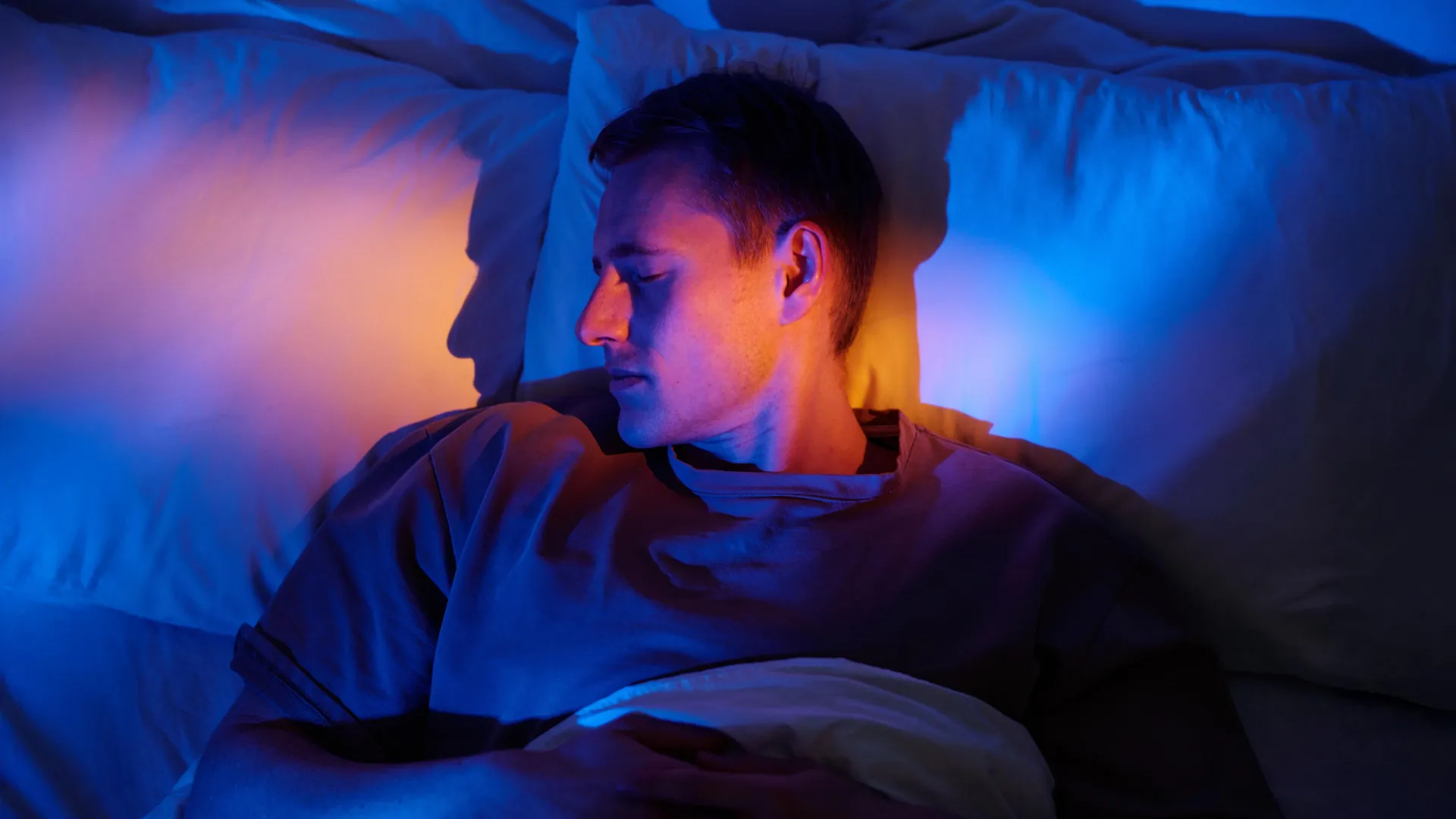
A groundbreaking investigation involving over eleven thousand individuals has uncovered a compelling correlation between sustained exposure to artificial illumination during nocturnal periods and observable, potentially deleterious modifications to both the architectural integrity and operational efficiency of the human heart. These pivotal findings, which contribute significantly to the evolving understanding of environmental health factors, were disseminated on September 9th within the pages of a prominent European cardiology publication, the European Heart Journal. The research, spearheaded by Professor Lu Qi of Tulane University in New Orleans, USA, addresses a critical gap in scientific knowledge regarding the physiological repercussions of a globally pervasive environmental shift: increasing light pollution.
For decades, urban and suburban landscapes across the globe have experienced an unprecedented proliferation of artificial light sources after sunset. This phenomenon, colloquially termed "light pollution," encompasses everything from streetlights and commercial signage to residential outdoor illumination and the omnipresent glow of electronic screens. Satellite imagery consistently reveals an Earth that is progressively brightening at night, signifying a profound alteration to natural light-dark cycles. While the ecological impacts on nocturnal wildlife and astronomical observations have been well-documented, the direct consequences for human physiology, particularly cardiovascular health, have only recently begun to receive focused scientific scrutiny. Prior epidemiological observations had hinted at a potential association between nighttime light exposure and an elevated predisposition to various cardiovascular ailments, yet the precise structural and functional alterations within the heart itself remained largely unexplored. This new study aimed to precisely delineate these intricate cardiac changes that might accrue over time in individuals routinely exposed to elevated levels of illumination during their sleeping hours.
To rigorously investigate this complex relationship, the research team meticulously designed a study leveraging the extensive data resources of the UK Biobank, a comprehensive biomedical database. A substantial cohort of 11,071 participants was enrolled, each equipped with a sophisticated light-sensing device worn on their wrist for a continuous seven-day period. This innovative methodology allowed for an objective and precise quantification of individual light exposure levels throughout both diurnal and nocturnal cycles, moving beyond self-reported data which can be prone to inaccuracies. Following this initial data collection phase, a crucial three-year interval elapsed. Subsequently, these participants underwent advanced cardiac imaging using magnetic resonance imaging (MRI). These high-resolution scans provided an unparalleled, non-invasive view into the heart’s intricate anatomy and its dynamic pumping capabilities, enabling scientists to thoroughly assess both its physical configuration and its contractile performance. For the purpose of analysis, the investigators meticulously categorized participants based on their nocturnal light exposure, drawing a clear distinction between those who experienced ambient light levels exceeding three lux during sleep—a threshold indicative of a noticeable level of illumination, perhaps akin to a dim nightlight or light from a distant streetlamp filtering through a window—and those who encountered virtually no light during the night. This careful stratification allowed for a direct comparison of cardiac parameters between the two groups.
The findings derived from the cardiac MRI analyses were stark and compelling. Individuals subjected to higher levels of nocturnal ambient light exhibited distinct and concerning transformations within their hearts. Most notably, the scans revealed a measurable thickening in the muscular wall of the left ventricle, which is the heart’s primary pumping chamber responsible for circulating oxygenated blood to the entire body. This pathological enlargement, medically termed left ventricular hypertrophy, consequently led to a reduction in the internal volume of the chamber itself. Such structural modifications are not benign; they can impede the heart’s ability to efficiently fill with blood before each contraction. Furthermore, the imaging data indicated a palpable decrease in the inherent flexibility and distensibility of the heart muscle. This diminished pliability suggests an early compromise in myocardial function, indicating that the heart was becoming less efficient in its rhythmic expansion and contraction. Beyond the left ventricle, similar structural adjustments were also identified in other crucial cardiac compartments, specifically the right ventricle and the left atrium, underscoring a more generalized pattern of remodeling across the organ.
Professor Qi elaborated on the significance of these observed alterations, stating that this represents the inaugural study of its kind to unequivocally link elevated nighttime light exposure to what is medically recognized as cardiac remodeling. He explained that cardiac remodeling signifies fundamental shifts in both the architecture and operational characteristics of the heart, a phenomenon typically observed as the body’s adaptive, albeit ultimately detrimental, response to chronic physiological stressors or sustained myocardial injury. While initially appearing as a compensatory mechanism, this remodeling invariably predisposes the heart to progressive weakening and can culminate in serious conditions such as heart failure, where the organ loses its capacity to pump sufficient blood to meet the body’s metabolic demands. The professor emphasized that these findings, when contextualized with corroborating evidence from other related investigations, strongly suggest that the widespread issue of light pollution has emerged as a novel and significant risk factor for cardiovascular disease. Consequently, a deliberate reduction in nocturnal light exposure should be actively considered by both medical practitioners and policy architects as a viable and critical strategy for the primary prevention of heart ailments.
The biological mechanisms underpinning this connection are likely multifaceted and involve the intricate interplay of light, circadian rhythms, and neurohormonal regulation. Exposure to artificial light during natural dark periods can profoundly disrupt the body’s internal biological clock, the circadian rhythm, which governs countless physiological processes, including sleep-wake cycles, hormone secretion, and cardiovascular function. A primary consequence of nocturnal light exposure is the suppression of melatonin, a hormone crucial for regulating sleep and acting as a powerful antioxidant. Reduced melatonin levels can contribute to sleep fragmentation and poor sleep quality, which are independently linked to increased cardiovascular risk. Beyond sleep, circadian disruption can lead to an overactivation of the sympathetic nervous system, often referred to as the "fight or flight" response, resulting in elevated heart rate, increased blood pressure, and systemic inflammation. Chronic sympathetic activation and inflammatory states are well-established drivers of cardiac remodeling, contributing to hypertrophy, fibrosis, and impaired myocardial function. The constant physiological stress induced by an altered light environment could thus place an enduring burden on the heart, initiating and accelerating the observed structural and functional changes.
The implications of this research extend from individual lifestyle choices to broad public health initiatives. An accompanying editorial by Professor Thomas Münzel and his colleagues from University Medical Center Mainz, Germany, underscored the immediate clinical relevance of these findings. They posited that healthcare providers, particularly those managing patients already afflicted with conditions such as heart failure or atrial fibrillation, must begin to proactively inquire about their patients’ nocturnal environments. Questions regarding bedroom darkness, occupational night shift schedules, and screen usage patterns after dusk should become an integral part of routine clinical assessments. The recommended interventions are refreshingly straightforward, cost-effective, and immediately implementable at the individual level: ensuring maximal bedroom darkness through the use of opaque curtains or blinds, opting for warm-spectrum, low-intensity bedside lighting, and diligently covering the diminutive standby LED indicators on household electronic devices. These seemingly minor adjustments can collectively restore a more natural dark environment conducive to cardiac health.
From a macro-level public health perspective, the ramifications are even more profound and underscore a collective societal responsibility. Light pollution stands out as one of the few environmental hazards that municipal authorities possess the direct capacity and economic means to mitigate. Forward-thinking urban planning and policy implementation can significantly reduce the ambient light burden. Strategies include the widespread adoption of shielded light fixtures that direct illumination downwards, preventing upward light spill into the night sky and horizontally into residential areas. Utilizing warm-spectrum light bulbs, which emit light with a lower color temperature, is preferable to harsh blue-rich white light, as the latter has a more potent impact on melatonin suppression. Furthermore, integrating dimming capabilities or motion-activated controls for streetlights can ensure illumination is provided only when and where it is genuinely required, conserving energy while reducing unnecessary light exposure. These technologically advanced, energy-efficient, and climate-friendly solutions are not only readily available but also offer a dual benefit of enhancing human health alongside environmental stewardship.
Ultimately, this comprehensive investigation transcends a mere observational correlation; it furnishes a pivotal mechanistic link, connecting the increasingly luminous nocturnal panorama observed by orbiting satellites with the discernible clinical reality unfolding within the human cardiovascular system. It provides tangible evidence that our internal organs are indeed becoming stiffer, less robust, and functionally less efficient in response to persistent environmental light. The relationship identified is demonstrably biologically plausible, the magnitudes of the observed effects possess clear clinical significance, and the dose-response relationship is unequivocally linear: greater exposure to light at night correlates directly with more adverse cardiac outcomes. The overarching message emanating from this scientific endeavor is lucid and urgent: the inherent value of darkness as a fundamental prerequisite for health deserves to be elevated to the status of a vital sign, recognized as being as indispensable for optimal cardiovascular well-being as maintaining healthy blood pressure levels and breathing clean, unpolluted air.
About the Author









