
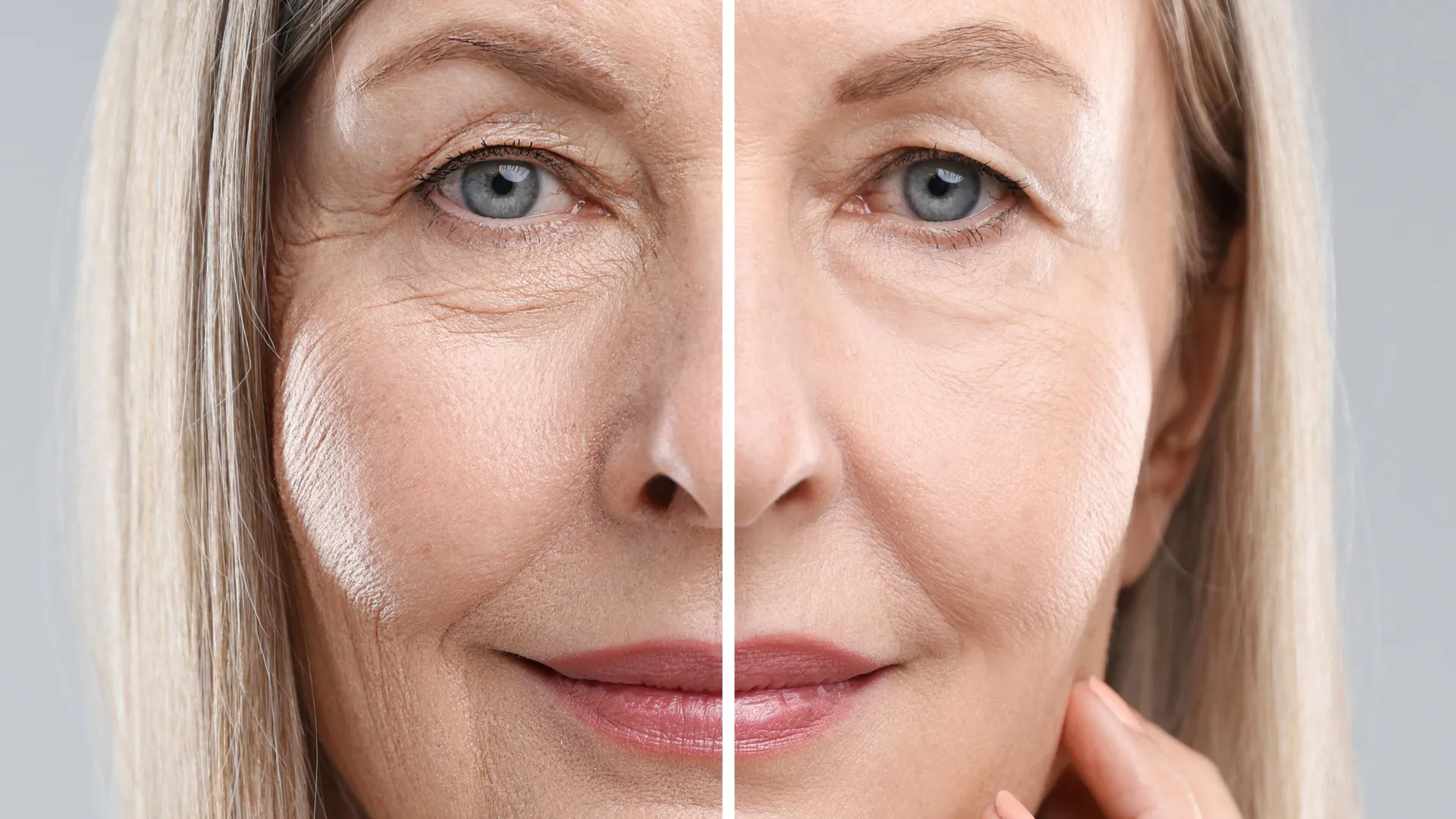
A groundbreaking study originating from the University of Sydney suggests that physiological indicators of aging in older adults can be significantly influenced within a remarkably brief timeframe, primarily through targeted modifications to their dietary intake. This preliminary research posits that specific nutritional strategies could offer a rapid pathway to influencing aspects of health traditionally associated with the aging process. The findings underscore the dynamic relationship between diet and the body’s intrinsic biological clock, potentially opening new avenues for short-term health interventions.
The core concept explored in this investigation revolves around "biological age," a metric distinct from chronological age. While chronological age simply reflects the number of years a person has been alive, biological age provides an estimation of the body’s overall health and functional capacity, essentially indicating how "old" an individual’s cells and systems appear at a physiological level. Two individuals of the same chronological age can exhibit vastly different biological ages, a disparity often linked to lifestyle factors, genetics, and environmental exposures. This divergence can profoundly impact an individual’s susceptibility to age-related diseases, their overall resilience, and their quality of life in later years. Understanding and, more importantly, influencing biological age markers is a paramount goal in gerontology and preventive medicine, as it offers a more nuanced and actionable target for interventions aimed at healthy longevity.
Published in the esteemed journal Aging Cell, the research was spearheaded by Dr. Caitlin Andrews from the University of Sydney’s School of Life and Environmental Sciences. The study meticulously examined how dietary changes impacted a composite biological age score derived from a panel of 20 distinct biomarkers. These biomarkers serve as measurable physiological indicators that collectively paint a comprehensive picture of an individual’s health status and the rate at which their body is aging. Among the key indicators scrutinized were blood lipid levels, such as cholesterol, which are crucial for cardiovascular health; insulin levels, a critical marker for metabolic function and the risk of diabetes; and C-reactive protein (CRP), a widely recognized measure of systemic inflammation within the body. Elevated levels of cholesterol, insulin resistance, and chronic inflammation are all independently associated with an increased risk of various age-related pathologies, making their modulation a significant area of focus in healthy aging research. By integrating data from such a broad spectrum of markers, the researchers aimed to construct a robust and holistic assessment of biological age that extended beyond any single physiological pathway.
While the outcomes are undeniably intriguing, the research team, including senior supervisor Associate Professor Alistair Senior, also from the School of Life and Environmental Sciences and the Charles Perkins Centre, has emphasized the nascent nature of these discoveries. The study’s relatively short duration of four weeks necessitates further, more extensive investigations to ascertain whether the observed improvements in biomarker profiles are sustainable over the long term. Crucially, future research will also need to establish a definitive link between these short-term shifts in biological age markers and a reduced incidence of age-related diseases or an extension of healthy lifespan. Furthermore, the applicability of these findings to younger demographics or populations with different genetic backgrounds and lifestyle patterns remains an open question, underscoring the need for broader replication and validation studies.
The investigation, formally known as the Nutrition for Healthy Living study, was conducted at the University’s cutting-edge Charles Perkins Centre, a hub for research into obesity, diabetes, and cardiovascular disease. It involved a cohort of 104 Australian participants, all aged between 65 and 75 years. This specific age demographic was chosen to focus on individuals already within the "older adult" category, allowing for a clearer observation of how dietary changes might impact established aging processes. The study employed a randomized controlled design, a gold standard in clinical research, which involved allocating participants to one of four distinct dietary regimens. This randomization helps to minimize bias and ensures that any observed effects are genuinely attributable to the dietary interventions rather than confounding factors.
Each of the four experimental diets was carefully formulated to provide 14 percent of the total daily energy from protein, a consistent protein intake across all groups to isolate the effects of other macronutrient variations. The primary distinctions between the diets lay in their fat and carbohydrate content, as well as the source of their protein. Two of the diets were omnivorous, meaning approximately half of their protein content originated from animal sources, while the remaining half came from plants. The other two diets were classified as semi-vegetarian, with a significantly higher proportion of protein—70 percent—derived from plant-based sources. Within both the omnivorous and semi-vegetarian categories, participants were further assigned to either a diet characterized by higher fat and lower carbohydrate content or one with lower fat and higher carbohydrate levels. This sophisticated matrix yielded four distinct dietary groups: an omnivorous high-fat (OHF) group, an omnivorous high-carbohydrate (OHC) group, a semi-vegetarian high-fat (VHF) group, and a semi-vegetarian high-carbohydrate (VHC) group. The participants were carefully selected, with body mass indices (BMI) ranging from 20 to 35, and all were non-smokers and had no history of being vegetarian. Crucially, individuals with serious pre-existing health conditions such as type-2 diabetes mellitus, various cancers, renal or liver disease, or known food allergies/intolerances were excluded to ensure a relatively homogenous and healthy older adult population, thereby reducing variability and enhancing the interpretability of the results.
Upon analyzing the changes in biological age scores after the four-week intervention, a clear pattern emerged across the dietary groups. The omnivorous high-fat (OHF) group, whose diet closely mirrored the typical dietary habits of participants prior to the study, did not exhibit any statistically significant alteration in their calculated biological age. This observation provides a valuable control, suggesting that merely participating in a study without significant dietary modification might not inherently lead to changes in these markers. In stark contrast, the other three dietary groups—the omnivorous high-carbohydrate (OHC), semi-vegetarian high-fat (VHF), and semi-vegetarian high-carbohydrate (VHC) groups—all demonstrated reductions in their estimated biological age.
The most compelling statistical evidence for a favorable shift in biological age was observed in the omnivorous high-carbohydrate (OHC) group. Participants in this cohort consumed a diet where 14 percent of their energy came from protein, 28-29 percent from fat, and a substantial 53 percent from carbohydrates. This finding suggests that a dietary pattern emphasizing a higher proportion of carbohydrates, particularly when coupled with a moderate fat intake, could be particularly effective in rapidly influencing aging-related biomarkers in older adults. However, the positive outcomes in the semi-vegetarian groups (VHF and VHC) also underscore the potential benefits of reducing animal-based protein, indicating that both fat reduction and a shift towards plant-centric protein sources might contribute to a more youthful biomarker profile. The cumulative evidence points towards a mechanism where altering macronutrient ratios and protein sources can influence metabolic pathways, reduce inflammatory markers, and improve lipid profiles, all of which are key determinants of biological age. For instance, diets lower in saturated fats often lead to improved cholesterol levels, while plant-based proteins are frequently associated with lower inflammatory responses and better insulin sensitivity compared to diets rich in red and processed meats.
Despite these promising initial results, the researchers are careful to contextualize the implications. As Dr. Andrews stated, "It’s too soon to say definitively that specific changes to diet will extend your life. But this research offers an early indication of the potential benefits of dietary changes later in life." A lower calculated biological age, while indicative of improved physiological health markers, does not equate to a permanent reversal of the aging process itself. The long-term durability of these changes remains unknown, as does their ultimate impact on the prevention of age-related diseases. Associate Professor Senior further elaborated, emphasizing that "Longer term dietary changes are needed to assess whether dietary changes alter the risk of age-related diseases." The study therefore serves as an important initial signal, rather than conclusive proof, that dietary adjustments can genuinely slow or reverse aging processes or extend human lifespan.
Future research endeavors will be critical in building upon these foundational insights. Researchers aim to conduct extended follow-up studies to determine if the observed shifts in biomarker profiles are sustained over prolonged periods and whether these improvements correlate with a reduced risk of developing chronic conditions commonly associated with aging, such as cardiovascular disease, type 2 diabetes, and neurodegenerative disorders. Additionally, expanding the scope of the research to include diverse demographic groups, varying age ranges, and individuals with different baseline health statuses will be essential to generalize these findings. The potential public health implications, should these results be consistently replicated and validated, are substantial. Tailored dietary guidelines based on such evidence could become a powerful tool in promoting healthier aging, enhancing resilience against disease, and improving the overall well-being of the rapidly growing global senior population. This study thus represents a vital step in unraveling the intricate interplay between nutrition and the complex process of human aging.
About the Author









