
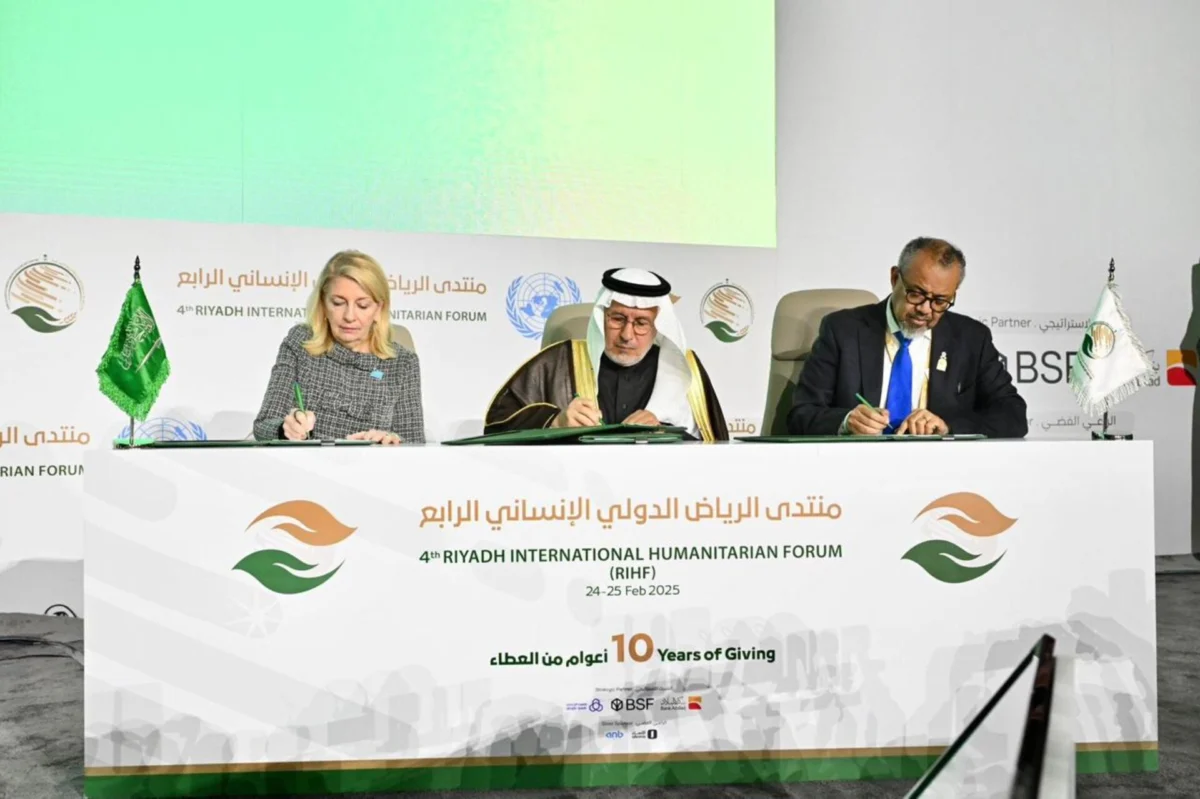
In a significant display of international solidarity and strategic collaboration, the Kingdom of Saudi Arabia, through its King Salman Humanitarian Aid and Relief Centre (KSRelief), and the World Health Organization (WHO) have formalized a series of substantial funding agreements. These pacts, totaling hundreds of millions of dollars, were ratified during the Riyadh International Humanitarian Forum, a pivotal gathering held on February 24-25, 2025. This forum, which coincided with the tenth anniversary of KSRelief’s establishment, served as a crucial platform for global partners to address pressing humanitarian and public health challenges, emphasizing the urgent need for collective action to safeguard human dignity, well-being, and the security of aid workers in crisis-affected regions worldwide.
The Riyadh International Humanitarian Forum convened a diverse array of stakeholders, including governmental representatives, non-governmental organizations, and international bodies, all committed to mitigating the severe impact of crises on vulnerable populations. A core objective of the discussions was to foster health diplomacy—a critical approach that leverages health initiatives as a means of building bridges and promoting peace in politically fraught environments. The overarching themes of the forum underscored the imperative of advocating for the survival and holistic well-being of individuals caught in the throes of conflict and disaster, while also reinforcing the protection and operational capacity of humanitarian personnel on the front lines. The commitments made during this high-profile event are poised to inject vital resources into critical health interventions across multiple continents, particularly in areas grappling with the resurgence of infectious diseases and the immense strain of protracted humanitarian emergencies.
Among the key outcomes of the forum was the formalization of substantial financial commitments directed towards specific health crises. KSRelief and WHO solidified new agreements designed to tackle the escalating threats of malaria and cholera in Yemen, a nation ravaged by years of conflict and humanitarian catastrophe. The Yemeni health system has been severely degraded, leaving millions vulnerable to preventable diseases. To combat malaria, a vector-borne disease that thrives in disrupted environments, KSRelief pledged US$12 million. This funding is earmarked for comprehensive malaria control programs, which typically include the distribution of insecticide-treated bed nets, targeted indoor residual spraying, prompt diagnostic testing, and the provision of effective antimalarial treatments. These interventions are critical for reducing transmission rates and preventing severe illness and mortality, especially among children and pregnant women who are disproportionately affected.

Complementing the malaria initiative, an additional US$2.1 million was committed by KSRelief to bolster and expand cholera treatment efforts in Yemen. Cholera, an acute diarrheal infection, spreads rapidly in areas with inadequate sanitation and contaminated water sources—conditions all too common in humanitarian crises. This investment will support the establishment and operation of cholera treatment centers, the procurement of essential medical supplies, and the implementation of public health campaigns focused on hygiene promotion and safe water practices. By strengthening both preventative measures and rapid treatment capabilities, these initiatives aim to curb the spread of the disease and save lives in a country where access to clean water and healthcare remains severely limited for a vast majority of the population. The strategic allocation of these funds reflects a nuanced understanding of the intertwined health challenges facing Yemen, targeting diseases that pose immediate and severe threats to public health.
Beyond the immediate crisis in Yemen, the forum also addressed the urgent health needs of populations displaced by other regional conflicts. A distinct agreement, valued at US$3.6 million, was forged between KSRelief and the WHO Egypt Country Office. This specific funding is designated to provide critical dialysis treatment for Sudanese refugees who have sought refuge in Egypt, fleeing the ongoing and devastating conflict in Sudan. The humanitarian crisis in Sudan has forced millions to flee their homes, with many seeking asylum in neighboring countries like Egypt. Among these displaced populations are individuals suffering from chronic medical conditions, such as end-stage renal disease, which necessitates regular and life-sustaining dialysis. Access to such specialized medical care is often a monumental challenge for refugees, who typically arrive with limited resources and face significant barriers to healthcare access in host countries. This targeted support underscores a vital humanitarian principle: ensuring continuity of care for individuals with chronic illnesses, whose lives depend on consistent medical interventions, even amidst the chaos of displacement. The provision of dialysis not only preserves lives but also alleviates an immense burden on both the affected individuals and the already strained healthcare infrastructure of host nations.
A cornerstone of the Riyadh International Humanitarian Forum was the reaffirmation and formalization of Saudi Arabia’s monumental commitment to the Global Polio Eradication Initiative (GPEI). The Kingdom initially announced a pledge of US$500 million to GPEI in April 2024, and this forum served as the occasion to cement this pledge through two separate funding agreements. Of this substantial amount, US$300 million was allocated directly to the WHO, while the remaining US$200 million was designated for UNICEF. This massive financial injection represents one of the largest single contributions to the global effort to eradicate polio, a debilitating viral disease that can cause irreversible paralysis.
The GPEI, launched in 1988, has been remarkably successful, reducing polio cases by over 99% worldwide. However, the "last mile" of eradication has proven exceptionally challenging, primarily due to outbreaks in conflict-affected and hard-to-reach areas where vaccination campaigns face significant logistical and security hurdles. The renewed commitment from Saudi Arabia is crucial for addressing these persistent challenges. The funding will directly support efforts to vaccinate an estimated 370 million children annually across the globe. This ambitious target is central to the GPEI’s strategy, which relies on widespread immunization campaigns, robust surveillance systems to detect and respond to new outbreaks, and intensive efforts to reach every child, particularly those in underserved communities.
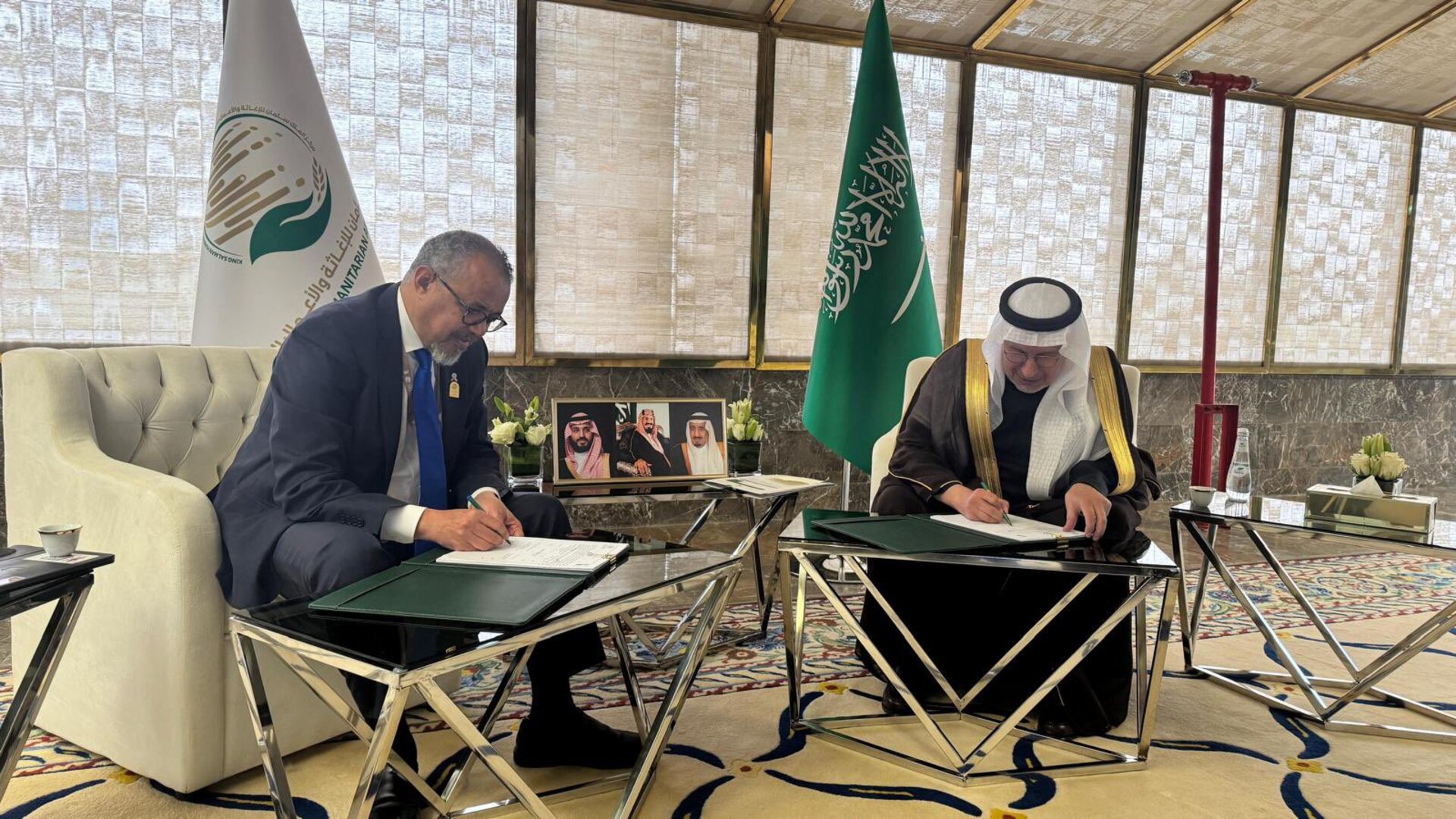
The Saudi Arabian contribution will play a pivotal role in strengthening polio eradication efforts in critical regions where the virus has recently re-emerged or remains endemic. These include Pakistan and Afghanistan, the only two countries where wild poliovirus transmission has never been fully interrupted, and Gaza, which has experienced a resurgence amidst extreme humanitarian conditions. In these complex environments, GPEI’s work involves navigating intricate political landscapes, ensuring the safety of vaccinators, and overcoming community resistance or misinformation. The funds channeled through WHO and UNICEF will facilitate the procurement of vaccines, support the training and deployment of vaccination teams, enhance disease surveillance, and fund public awareness campaigns to boost vaccine acceptance. This sustained financial backing is indispensable for immunizing vulnerable populations, particularly those living in precarious situations where routine health services are disrupted, thus preventing new infections and safeguarding the progress made towards a polio-free world.
The Riyadh International Humanitarian Forum 2025 unequivocally highlighted the expanding and increasingly critical partnership between the WHO, KSRelief, and other international humanitarian actors. The collaborative frameworks and funding agreements solidified during the forum are not merely financial transactions; they represent a profound commitment to addressing some of the most pressing global health crises of our time. From combating infectious diseases like malaria and cholera in war-torn Yemen to providing life-saving dialysis for Sudanese refugees in Egypt, and making a monumental push towards the final eradication of polio worldwide, these initiatives underscore a comprehensive approach to humanitarian health.
This convergence of international expertise and financial might also accentuates the Kingdom of Saudi Arabia’s evolving and prominent role in global humanitarian efforts. Through KSRelief, Saudi Arabia is not only providing vital financial resources but also actively participating in the strategic planning and implementation of complex health interventions. This engagement solidifies its position as a key leader in tackling urgent health crises and fostering international cooperation for the greater good. The forum itself served as a powerful testament to the belief that collective action and sustained investment are paramount in building a more resilient global health architecture capable of responding effectively to future challenges. The ripple effect of these agreements will extend far beyond immediate relief, contributing to long-term health security, stability, and human dignity in some of the world’s most vulnerable communities.
About the Author












