
Rice stands as an indispensable dietary cornerstone for a staggering majority of the global population, sustaining over half of humanity with its readily available energy. Despite its pervasive presence in diets across continents, the intricate nutritional composition of this fundamental grain continues to be a subject of intense scientific inquiry. While its caloric density is primarily attributed to starch, which constitutes more than 85% of its mass, rice also provides approximately 10% protein, around 2% fat, along with various vitamins and essential trace elements. Historically, the minuscule proportion of lipids within the grain has led to their comparative neglect in nutritional research, with starch typically commanding the lion’s share of attention. Yet, these often-overlooked fats play a pivotal role, influencing not only the nutritional value but also the flavor profiles and overall quality characteristics of rice.
A dedicated team of scientists at Hokkaido University in Japan embarked on a comprehensive investigation to meticulously characterize these understudied lipid components, focusing their efforts on japonica rice. This particular type, renowned for its short- to medium-grains, is culturally synonymous with Japanese cuisine, where it is prized for its soft, tender, and subtly sticky texture upon cooking. Globally, japonica varieties account for approximately 15% of total rice consumption, making it a significant subject for nutritional research. The research, which brought together cutting-edge analytical techniques, sought to unravel the complex tapestry of fats present in this widely consumed staple.
To achieve this granular understanding, the researchers amassed a diverse collection of 56 distinct japonica rice cultivars. These samples, sourced from various regions across Japan, encompassed a spectrum of varieties, including familiar brown and white types, as well as more visually striking red, green, and black pigmented variants. The findings, a testament to the team’s rigorous methodology, were subsequently peer-reviewed and published in the esteemed journal, Food Research International, marking a significant contribution to the field of food science.
Associate Professor Siddabasave Gowda, the lead author of the study, underscored the profound significance of lipids, even in their limited quantities. "Although lipids constitute only a minor fraction of rice’s total composition, their biological importance is disproportionately high," Professor Gowda elaborated. "They are fundamental to numerous physiological processes, including maintaining the structural integrity of cell membranes, serving as crucial energy reserves, and facilitating vital signaling pathways within the human body. Understanding their precise nature in rice can unlock new insights into its health benefits."
The advent of sophisticated analytical technologies has revolutionized the capacity of scientists to delve into the minute details of food biochemistry. Employing advanced techniques such as liquid chromatography and mass spectrometry, the Hokkaido University team performed an expansive and detailed analysis of the lipid compounds embedded within the japonica rice samples. These methods allow for the precise separation, identification, and quantification of individual lipid molecules, offering an unprecedented level of detail previously unattainable. Through this rigorous analytical process, the researchers successfully identified a remarkable 196 distinct lipid molecules, which were subsequently categorized into five primary groups, painting a comprehensive picture of rice’s lipidome.
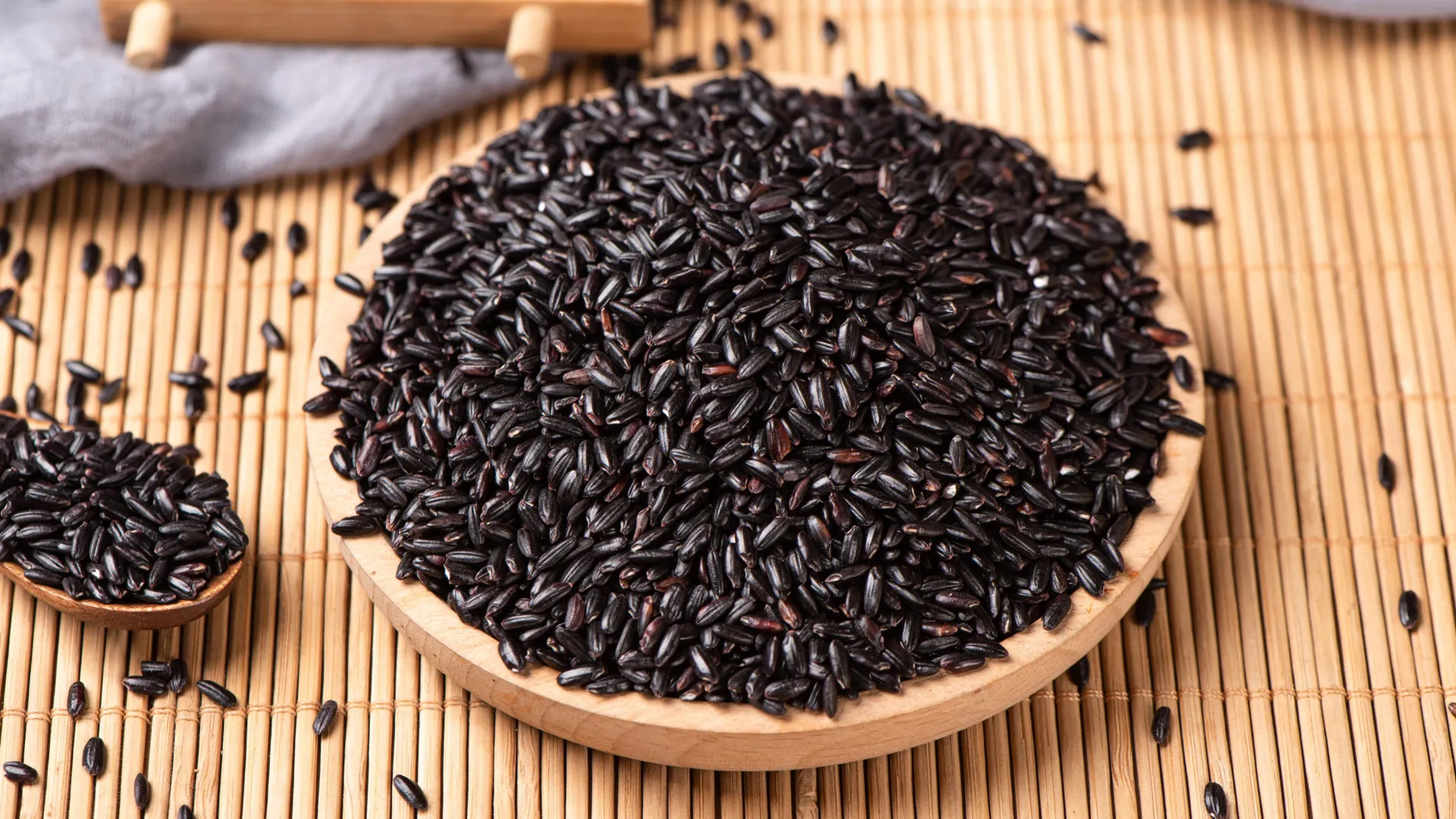
A particularly striking revelation emerged when the team compared the lipid profiles across different rice varieties. The pigmented Japanese rice cultivars, most notably the black and green varieties, exhibited a distinctly advantageous lipid composition. These colorful grains consistently scored higher on the researchers’ newly developed "health-promotion index," a metric designed to evaluate the potential health benefits derived from their unique fat content. This divergence in lipid signatures suggested that these aesthetically distinct rice types might harbor specific compounds with significant physiological relevance.
Further investigation into these unique profiles unveiled the presence of potentially highly beneficial fat molecules within black and green rice. Among these were novel compounds identified as FAHMFAs (fatty acid esters of hydroxy medium-chain fatty acids) and LNAPEs (N-acyl-lysophosphatidylethanolamines). The detection of FAHMFAs in rice marks a groundbreaking discovery, as this is the first documented instance of these specific lipids being found within this grain. Prior research in various biological systems has indicated that these classes of lipids possess notable bioactive properties, including potent anti-inflammatory effects and a positive influence on metabolic health parameters. Their presence in rice thus opens up exciting new avenues for exploring dietary interventions for chronic conditions.
Beyond merely identifying these novel compounds, the research team also sought to understand a critical functional aspect: how pigmented rice might influence post-meal blood sugar levels. Recognizing the complexities and ethical considerations of direct human testing, the scientists ingeniously simulated aspects of human digestion within a controlled laboratory environment. This in vitro model allowed for precise control over experimental conditions and offered a reliable preliminary assessment.
In this experimental setup, selected rice samples were first meticulously cooked to mimic typical preparation, then subjected to a sequential treatment with digestive enzymes designed to replicate the human digestive process. The researchers meticulously measured the rate at which the starch in each sample was broken down into simpler sugars. This rate serves as a crucial indicator of how rapidly a specific rice variety might elevate blood glucose concentrations following consumption. A slower rate of starch hydrolysis generally correlates with a more gradual and sustained release of glucose into the bloodstream, which is often desirable for metabolic health.
The results from these in vitro digestion experiments were highly illuminating. Both black and green japonica rice varieties demonstrated a significantly slower rate of starch digestion compared to common white rice. This finding strongly suggests that the starch within these pigmented varieties is processed more gradually by digestive enzymes, consequently allowing glucose to enter the bloodstream at a more controlled and attenuated pace. This physiological characteristic has profound implications, aligning with the concept of a lower glycemic response, which is increasingly recognized as beneficial for long-term health.
Such a property positions pigmented rice as a promising candidate for the development of innovative functional foods. These foods could be specifically designed to support cardiovascular health, assist in the management of blood sugar fluctuations, and contribute to mitigating the risk of various lifestyle-related conditions, most notably type 2 diabetes. The ability to modulate post-meal glucose spikes through dietary choices represents a powerful tool in preventive healthcare and disease management.
This pioneering work by the Hokkaido University research group is part of a broader, concerted effort to systematically identify and characterize previously unknown bioactive lipids using state-of-the-art analytical methodologies. Professor Gowda highlighted the overarching mission of his team: "Our research endeavors extend beyond rice; we have successfully uncovered novel bioactive lipids in other traditional Japanese dietary components, including specific varieties of fish, various herbal teas, and certain seaweeds. These discoveries are instrumental in illuminating the rich, yet often underexplored, lipid-rich food resources inherent in the Japanese diet." This continuous exploration underscores a commitment to leveraging indigenous food knowledge with modern science to uncover hidden health benefits.
Looking ahead, the researchers anticipate that their findings will have a dual impact. Firstly, they believe the study will empower consumers with a more nuanced understanding of the nutritional disparities between different pigmented rice varieties. Armed with this knowledge, individuals will be better equipped to make informed dietary choices that align with their personal health goals and nutritional needs. Secondly, and perhaps more significantly, the team hopes their insights will catalyze the creation of novel "functional" rice products. These specialized products could be engineered to offer enhanced health benefits, providing targeted dietary support for individuals seeking to better manage conditions such such as diabetes and other chronic lifestyle-related diseases. The potential for these vibrant grains to transform from simple staples into sophisticated health-promoting ingredients is immense, promising a future where food not only nourishes but actively contributes to wellness.
About the Author









