
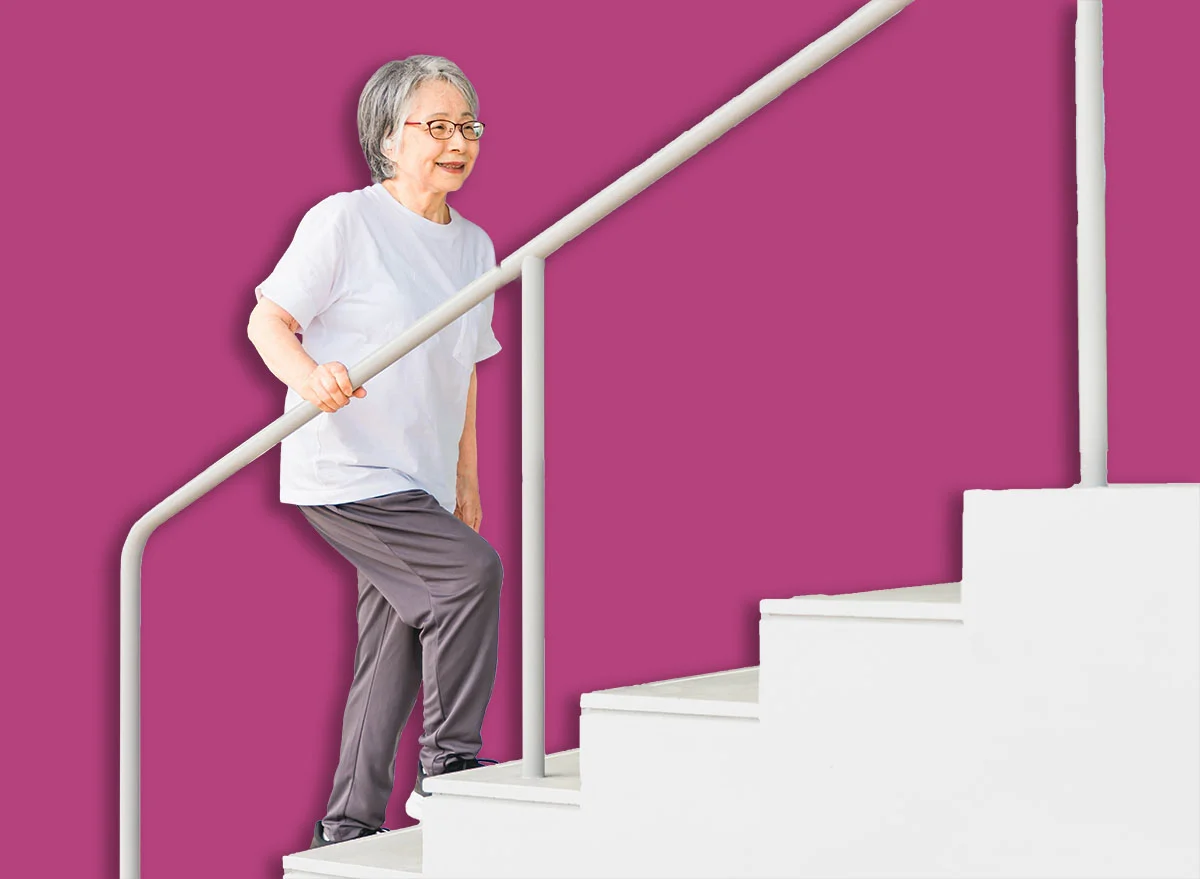
As global populations age, the emphasis on maintaining physical function and independence throughout later life has become paramount. While chronological age remains a numerical indicator, an individual’s physiological age, particularly concerning muscular strength and power, often paints a more accurate picture of their health and vitality. A simple, accessible, and highly indicative measure of this functional capacity lies in an everyday activity: climbing stairs. This seemingly mundane task, when performed with a certain degree of alacrity, can signal lower body power akin to someone a decade younger, offering a tangible benchmark for healthy aging.
The decline of muscle mass and strength, medically termed sarcopenia, is a natural and progressive process that typically begins in an individual’s third decade of life and accelerates significantly after the age of 60. Beyond mere muscle bulk, the loss of muscle power—the ability to generate force quickly—often precedes the reduction in sheer muscle mass. This distinction is critical because power is essential for dynamic movements, rapid responses, and maintaining balance, all of which are vital for preventing falls and preserving autonomy in daily activities. Without sufficient power, tasks like rising from a chair, catching oneself during a stumble, or, indeed, ascending a flight of stairs swiftly, become increasingly challenging and risky. Research underscores that engaging in activities that challenge both strength and speed can effectively mitigate this age-related decline, extending the period of robust physical capability.

Stair climbing stands out as an exceptional exercise for assessing and improving multiple facets of physical fitness. It is a compound movement that simultaneously engages major muscle groups in the lower body, including the quadriceps, hamstrings, glutes, and calves. Beyond muscular engagement, it provides a significant cardiovascular workout, elevating heart rate and improving cardiorespiratory endurance. The act of navigating steps also demands balance, coordination, and proprioception—the body’s awareness of its position in space—all crucial elements for mobility and fall prevention in older adults. For these reasons, integrating regular stair climbing into a fitness regimen or utilizing it as a diagnostic tool offers a holistic view of an individual’s functional health.
Steven Pungello, a respected chiropractor at Full Stride Spine & Sport, highlights the utility of stair climbing as a direct measure of an older adult’s physical prowess. According to Pungello, achieving a specific performance threshold on the stairs can indicate "elite power" for individuals aged 60 and above. This benchmark is defined by the ability to ascend four full flights of stairs in less than 60 seconds. Such a feat suggests not only robust lower body strength but also the critical component of muscular power, allowing for rapid movement against gravity. Meeting this standard implies a level of physical capacity that often mirrors that of someone significantly younger, underscoring a remarkable preservation of physiological function.
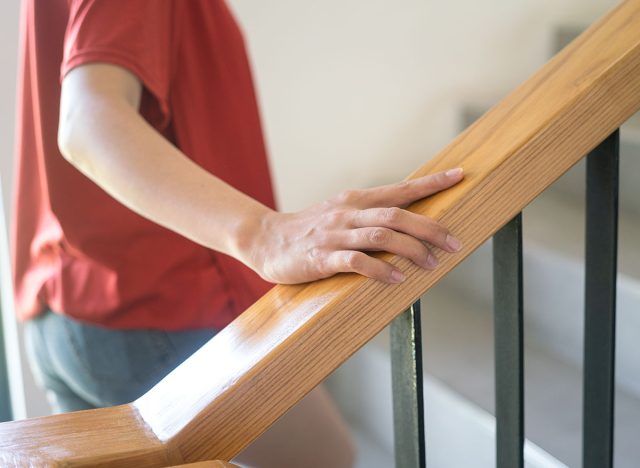
For those contemplating this assessment at home, Pungello provides clear guidance to ensure accuracy and safety. The primary test involves climbing four flights of stairs. A "flight" is generally understood to comprise between 10 to 14 steps, meaning the test would involve ascending approximately 40 to 56 steps. Participants should initiate the timer with both feet firmly planted on the ground at the bottom of the staircase. They then ascend all four flights, turn around, and descend, stopping the timer once both feet are back on the ground at the starting point. Crucially, maintaining one hand on a railing for stability and safety throughout the duration of the test is not only permissible but actively encouraged, ensuring a secure environment for evaluation. This pragmatic approach acknowledges the importance of minimizing risk while still accurately gauging performance.
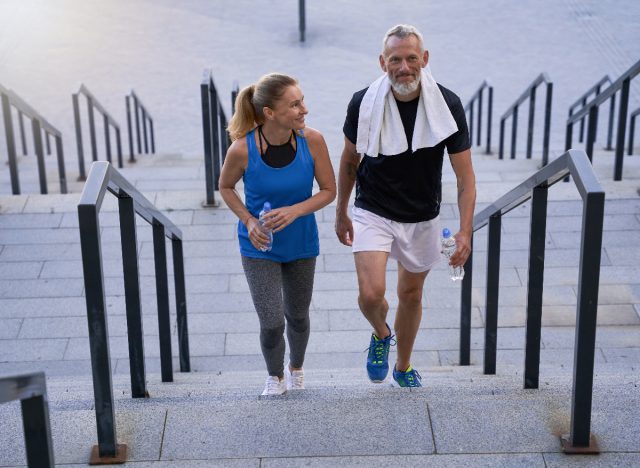
Recognizing that not every household is equipped with four flights of stairs, alternative, adaptable assessments can still provide valuable insights into lower body strength and power. For individuals with fewer stairs in their residence, the recommendation is to time a single ascent and descent of their available staircase. The objective then shifts from hitting an absolute time to establishing a personal baseline and striving for consistent improvement over time. This personalized approach fosters progressive overload, a fundamental principle of strength training, by encouraging individuals to gradually reduce their time or increase repetitions. If a home lacks stairs entirely, a single sturdy step can be utilized. The modified test involves stepping up and down from this single step for a continuous two-minute period. This variation still challenges the leg muscles and cardiovascular system, offering a foundational measure of endurance and power. These adaptations ensure that the benefits of this functional assessment are accessible to a wider demographic, regardless of their living environment.
The implications of maintaining strong lower body power extend far beyond merely being able to climb stairs quickly. Robust leg strength and power are foundational to overall health and well-being, especially as individuals age. They are directly correlated with a reduced risk of falls, which represent a leading cause of injury and mortality in older adults. Stronger legs provide better balance and the ability to react quickly to environmental hazards. Furthermore, regular weight-bearing activities like stair climbing contribute significantly to bone mineral density, helping to combat osteoporosis and reduce the likelihood of fractures. On a metabolic level, maintaining muscle mass supports a healthier metabolism, aids in blood sugar regulation, and can contribute to weight management. The cardiovascular benefits are equally profound, improving heart health, lung capacity, and overall stamina, which translates into greater energy for daily tasks and leisure activities.
Beyond the physical attributes, the psychological and social benefits of preserving functional fitness are immense. The ability to move freely and confidently contributes significantly to an individual’s sense of independence and self-efficacy. It empowers older adults to participate more fully in social activities, travel, and maintain hobbies, thereby enhancing their quality of life and fostering a positive mental outlook. A proactive approach to fitness, informed by simple assessments like the stair climbing test, can instill a sense of accomplishment and motivate continued engagement in health-promoting behaviors.
For those who find themselves short of the "elite power" benchmark, or who simply wish to enhance their leg strength and overall fitness, a structured approach is recommended. Gradual progression is key; begin with manageable efforts and slowly increase the intensity, duration, or number of repetitions. Incorporating complementary exercises such as squats, lunges, calf raises, and glute bridges can build foundational strength that directly supports stair climbing performance. Consistency in exercise, coupled with adequate protein intake to support muscle repair and growth, and sufficient rest for recovery, forms the bedrock of an effective training program. Consulting with a healthcare provider or a certified fitness professional before embarking on any new exercise regimen is always advisable, particularly for individuals with pre-existing health conditions, to ensure safety and tailor the program to individual needs.
In conclusion, the simple act of rapidly ascending stairs serves as a powerful, yet practical, indicator of lower body power and overall functional fitness in individuals over the age of 60. This accessible at-home test, championed by experts like Steven Pungello, moves beyond traditional age-based limitations to provide a meaningful assessment of physiological capability. By embracing such benchmarks and understanding their broader health implications, individuals can be empowered to take proactive steps towards maintaining their strength, independence, and vitality, fostering a longer, healthier, and more active life journey.
About the Author










