
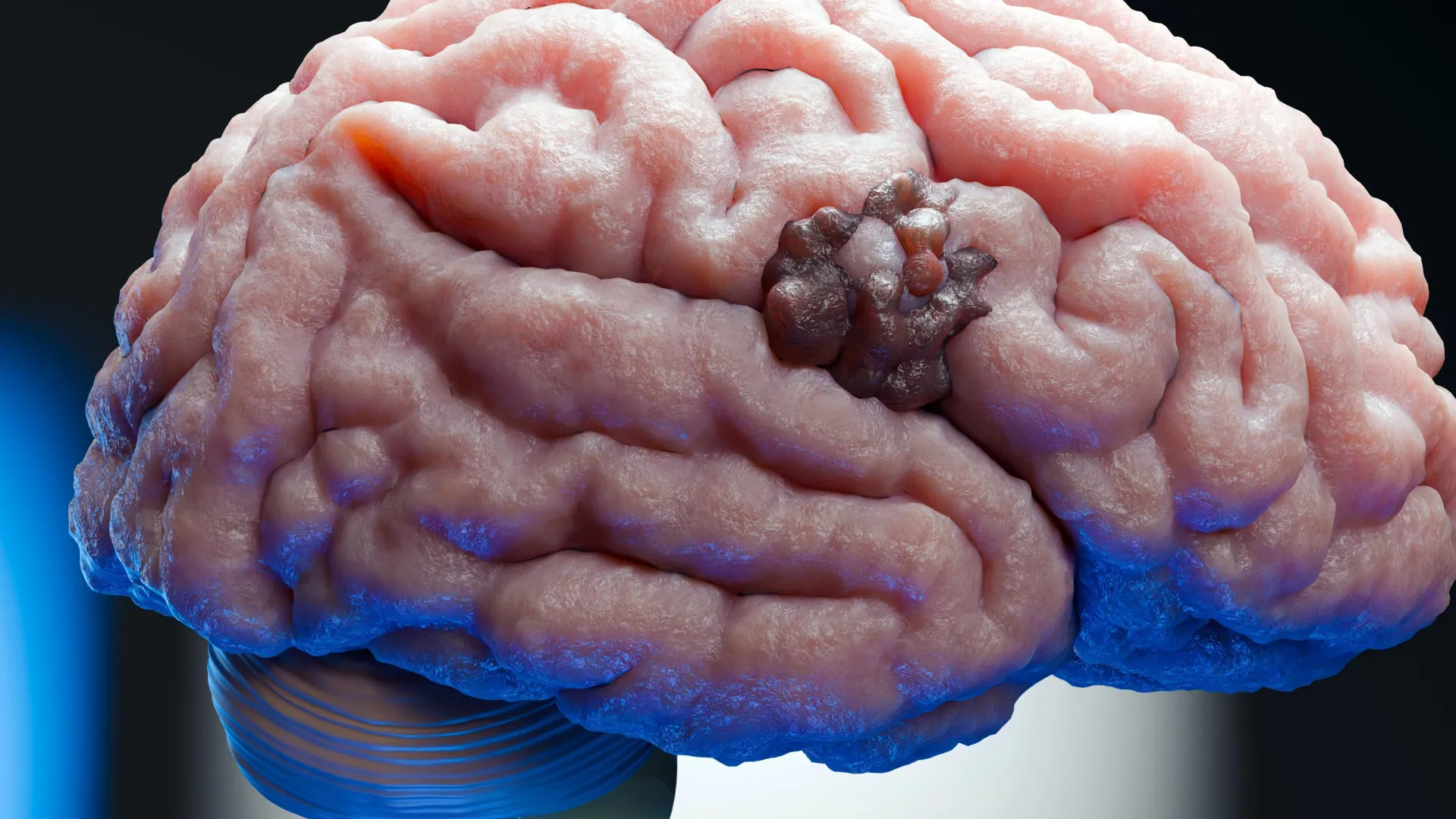
Glioblastoma, a notoriously aggressive and often fatal form of brain cancer, has long presented a formidable challenge to medical science due to its remarkable resilience against conventional treatments like radiation and chemotherapy. However, a groundbreaking investigation conducted by researchers at The Ohio State University Comprehensive Cancer Center – Arthur G. James Cancer Hospital and Richard J. Solove Research Institute has illuminated a promising new avenue, identifying a specific protein, designated SET, as a potential Achilles’ heel that could significantly amplify the effectiveness of existing therapeutic strategies. This innovative strategy is not intended to supplant current treatment modalities but rather to augment their impact, thereby offering patients a greater chance of success. Preliminary investigations in preclinical models have demonstrated that inhibiting the function of the SET protein can prevent the development of glioblastoma tumors.
The research team’s meticulous examination of various proteins revealed that SET possessed a particularly pronounced effect on tumor formation when its activity was disrupted, setting it apart from other proteins under scrutiny. Furthermore, the study uncovered a synergistic effect: interference with proteins linked to SET also rendered glioblastoma cells more susceptible to the damaging effects of radiation therapy. These convergent findings strongly suggest the existence of a critical biological pathway that could be therapeutically targeted with novel drug interventions, effectively disarming the cancer’s inherent defenses.
At the core of this research lies the enzyme protein phosphatase 2A (PP2A), a crucial regulator of cellular signaling pathways that govern cancer cell proliferation, survival, and their capacity to recuperate from treatment-induced stress. Glioblastoma cells, it appears, have evolved sophisticated mechanisms to subvert PP2A activity, primarily through the action of three key proteins: ANP32A, CIP2A, and the aforementioned SET protein. When the Ohio State researchers experimentally inhibited these proteins in both laboratory cultures and animal models, they observed a marked reduction in cancer cell survival, with the surviving cells exhibiting heightened vulnerability to radiation. Dr. Arnab Chakravarti, Chair of Radiation Oncology at the OSUCCC – James, elaborated on the inherent difficulty in treating glioblastoma, citing its remarkable adaptability and survival instincts. He posited that restoring the natural activity of PP2A could potentially diminish glioblastoma cells’ ability to withstand treatment, thereby establishing a clear scientific rationale for investigating whether this approach can enhance the efficacy of radiation and chemotherapy for patients diagnosed with glioblastoma.
The current findings represent an initial but significant step forward, and it is imperative to note that these results have not yet been translated into human clinical trials. The research team is now actively engaged in exploring the feasibility and safety of targeting SET or other PP2A-inhibiting proteins. A critical aspect of this ongoing research is to determine whether such targeted interventions can indeed improve the outcomes of standard glioblastoma therapies. In a parallel line of inquiry, the researchers also investigated an existing antipsychotic medication, which has received FDA approval and possesses the ability to augment PP2A activity. The preliminary results from this investigation offer further encouragement to explore medications that modulate this specific cellular pathway. However, it is crucial to emphasize that this particular drug is not yet established as a glioblastoma treatment and should not be administered for this purpose outside of a controlled clinical trial setting. Dr. Chakravarti underscored the importance of this foundational work, stating that a deeper understanding of how SET and related PP2A inhibitors contribute to glioblastoma’s treatment resistance provides a crucial blueprint for developing strategies to counteract this protective mechanism and ultimately enhance the effectiveness of existing therapeutic interventions.
This pioneering research, published in the May 2026 edition of the journal Cancer Letters, received vital support from grants provided by the National Institutes of Health, the National Cancer Institute, and The Ohio State University Comprehensive Cancer Center. The implications of this discovery extend beyond the immediate identification of SET as a therapeutic target; it signifies a paradigm shift in understanding glioblastoma’s intricate survival mechanisms and opens up new horizons for developing more potent and personalized treatment strategies for this devastating disease. By dissecting the complex interplay between glioblastoma cells and essential cellular enzymes like PP2A, scientists are paving the way for a future where previously intractable cancers might become more manageable, offering renewed hope to patients and their families worldwide. The ongoing work builds upon decades of research into the fundamental biology of cancer, emphasizing the critical role of protein interactions and cellular signaling in disease progression and treatment response. Future research will likely focus on developing highly specific inhibitors for SET and related proteins, ensuring minimal off-target effects and maximizing therapeutic benefit. Furthermore, exploring combinations of these novel agents with existing chemotherapies and radiation regimens will be a key area of investigation, aiming to unlock synergistic effects that can overcome glioblastoma’s notorious resistance. The journey from laboratory discovery to clinical application is often long and complex, but this latest breakthrough offers a tangible and scientifically robust path toward improving outcomes for patients battling one of the most challenging forms of cancer.
About the Author












