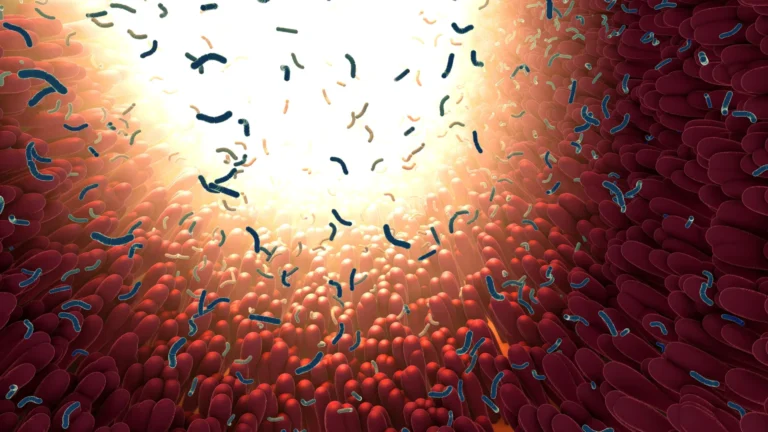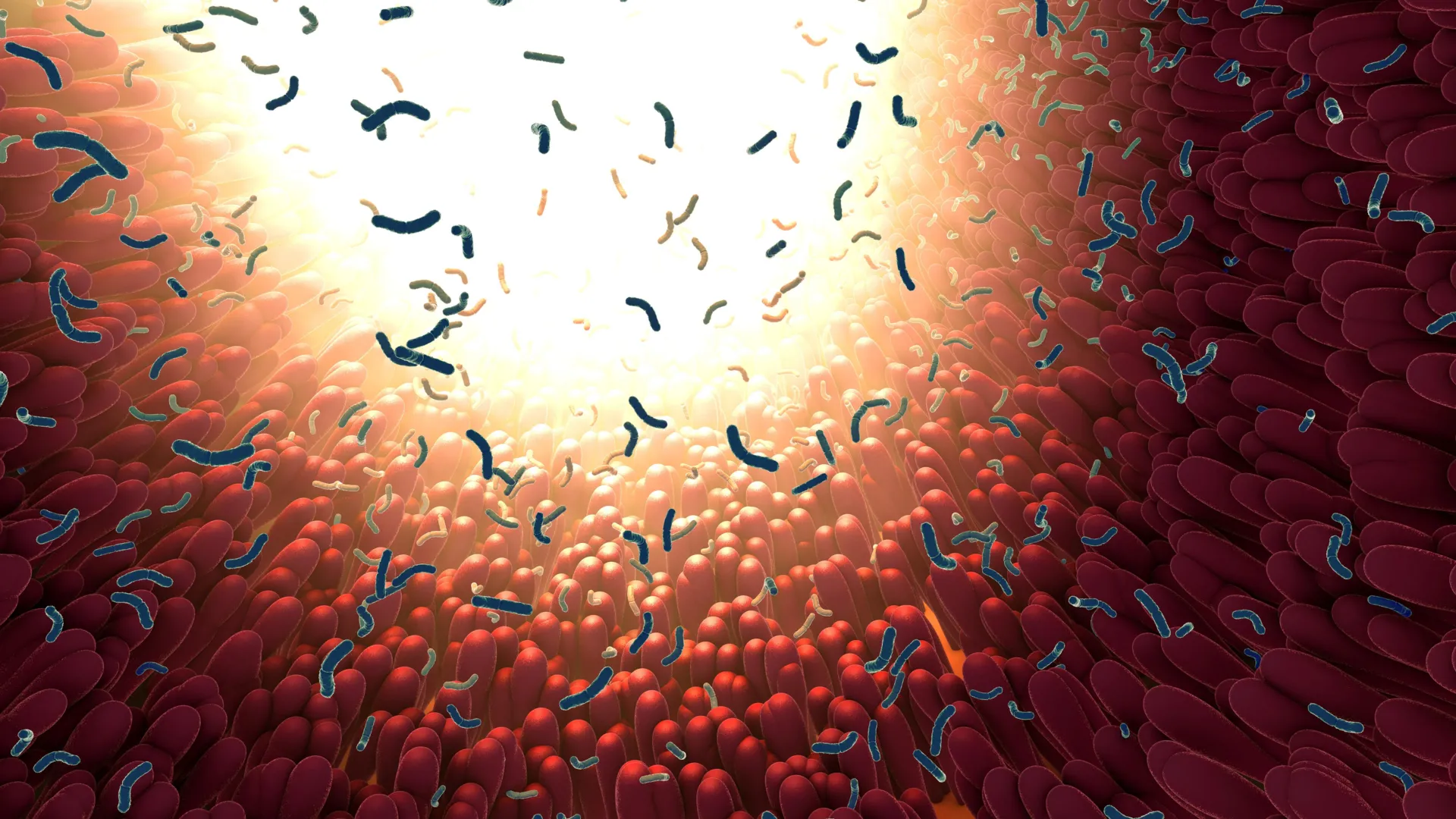
Within the intricate ecosystem of the human intestine resides a colossal and dynamic community of microorganisms, collectively known as the gut microbiome. This vast microbial population, comprising trillions of individual cells, plays a fundamental role in numerous physiological processes, including nutrient absorption, immune system development, and metabolic regulation. For decades, scientific inquiry into this critical internal environment has largely categorized these microscopic inhabitants at the species level or by broad genetic similarities. However, a recent groundbreaking study, spearheaded by researchers at the University of Vienna, has unveiled a significantly more nuanced reality, demonstrating that many common gut bacterial species harbor hidden layers of evolutionary complexity and specialization previously underestimated. This profound discovery, published in the esteemed journal Nature, challenges conventional understanding and paves the way for a new era of precision in microbiome science, offering fresh perspectives on health, disease, and even the global transmission of these microscopic entities.
Traditional approaches to studying the gut microbiome, while yielding invaluable insights, often treat an entire bacterial species as a singular, homogenous entity. This simplification, while practical for initial categorization, can obscure crucial biological distinctions. Imagine attempting to understand human diversity by only recognizing "Homo sapiens"; such a broad classification would miss the rich tapestry of genetic variations, cultural adaptations, and individual predispositions that define distinct populations. Similarly, within the microscopic world of the gut, lumping all members of a Bacteroides fragilis or Faecalibacterium prausnitzii species together can mask significant differences in their genetic makeup, their adaptive strategies to specific niches within the gut, and ultimately, their precise impact on human health. This limitation has frequently complicated efforts to definitively link particular microbial groups to disease states, often leaving scientists wondering whether observed bacterial presences are causative, correlative, or merely incidental.
To overcome these inherent challenges, the research team pioneered an innovative analytical framework rooted in "reverse ecology." This sophisticated bioinformatic methodology flips the traditional ecological inquiry on its head: instead of observing organisms in their environment and inferring their adaptations, reverse ecology leverages comprehensive genomic data to deduce how organisms have adapted to specific environmental pressures and conditions. By scrutinizing the genetic blueprints of thousands of bacterial isolates extracted from human guts across diverse populations and health spectrums, alongside extensive metagenomic data—which encompasses the complete genetic information of entire microbial communities within a sample—the scientists sought to identify subtle yet significant genomic signatures indicative of evolutionary adaptation and specialization within the human digestive tract.
A critical clue in this intricate genetic detective work came from identifying patterns known as "genome-wide selective sweeps." These phenomena occur when a novel, advantageous mutation arises in an individual bacterium, conferring a significant competitive edge over its closely related counterparts. This evolutionary advantage allows the descendants of that successful individual to rapidly proliferate and dominate a particular ecological niche, effectively "sweeping" through the population. Such a sweep drastically reduces genetic diversity within the newly dominant lineage, creating groups of bacteria that share remarkable genetic and functional similarity due to their common, successful ancestor. These tightly knit, highly adapted populations become genetically distinct from other co-existing lineages within the same broad species, making them discernible markers of evolutionary success and specialization.
Through the meticulous application of this reverse ecology approach, the researchers made a profound discovery: many well-established bacterial species residing in the human gut are not monolithic entities but are, in fact, subdivided into multiple, evolutionarily distinct lineages. These discrete populations demonstrate specialized adaptations, thriving under different microenvironmental conditions prevalent within the complex and heterogeneous gut landscape. The implications of this hidden diversity are particularly striking when considering its connections to human health. The study revealed that specific, previously unappreciated bacterial populations—rather than the entire species—were significantly associated with a range of chronic health conditions. These included the aging process itself, chronic inflammatory bowel diseases (IBD), colorectal cancer, and type 2 diabetes. This finding underscores the necessity of looking beyond the species level to truly understand the microbiome’s intricate role in both health maintenance and disease pathogenesis. As lead author Xiaoqian Annie Yu from the Centre for Microbiology and Environmental Systems Science (CeMESS) at the University of Vienna highlighted, "When we move beyond mere species counts and integrate evolutionary adaptation into our analysis, we gain a much more accurate picture of the biologically relevant units within the microbiome. Specific populations within the same bacterial species might be disproportionately linked to certain diseases, a crucial detail that often remains obscured when viewed through a broader lens."
Beyond uncovering internal diversity, the research yielded another astonishing insight: certain highly competitive bacterial populations exhibit an impressive capacity for rapid and widespread geographical dissemination. The evidence suggested that these well-adapted microbial lineages could traverse vast distances, expanding their presence across continents within mere decades. This observation is particularly noteworthy because such patterns of rapid, intercontinental spread have predominantly been documented for pathogenic microorganisms, which are intrinsically designed to infect and propagate. The discovery that "ordinary" commensal gut bacteria, typically assumed to be more localized or primarily influenced by an individual’s diet and lifestyle, also possess such dynamic dispersal capabilities fundamentally reshapes our understanding of microbial ecology. As study leader Martin F. Polz, also from the University of Vienna, commented, "Our findings indicate that gut bacteria are far more dynamic than previously appreciated. Highly adapted strains are capable of international spread, successfully colonizing new ecological niches across the globe." This suggests that human-to-human transmission, alongside factors like diet, medication, and lifestyle, plays a far more significant role in shaping the composition and distribution of gut microbial communities than previously thought. The human population, therefore, acts as a global network for the exchange of these evolutionarily successful microbial lineages.
This paradigm shift in understanding the gut microbiome carries immense potential for transforming both diagnostic and therapeutic strategies in medicine. By recognizing the existence of these distinct evolutionary lineages, scientists can move beyond the imprecise approach of targeting entire bacterial species. Instead, the focus can narrow to identifying and modulating the specific populations most relevant to health or disease. This enhanced precision holds the key to developing more accurate microbiome biomarkers—specific microbial signatures that can reliably indicate disease risk, progression, or therapeutic response. For instance, instead of broadly identifying Bacteroides in a patient with IBD, clinicians might one day pinpoint a particular Bacteroides lineage known to exacerbate inflammation.
In the realm of therapeutics, this newfound granularity could usher in an era of "precision microbiome medicine." Treatments could be tailored to selectively encourage the proliferation of beneficial bacterial lineages while simultaneously suppressing or eradicating those specific populations demonstrably linked to detrimental health outcomes. This could involve highly targeted probiotic interventions designed to introduce beneficial strains with specific genetic advantages, or even novel antibiotic-like therapies engineered to eliminate only problematic lineages, thereby preserving the overall diversity and health of the gut ecosystem. Such targeted interventions promise to be far more effective and carry fewer side effects than broad-spectrum approaches that often disrupt the entire microbial community.
Looking ahead, the research team plans to delve deeper into the genetic underpinnings of these distinct bacterial populations. Their next crucial step involves identifying the specific genes that differentiate these evolutionary lineages and, critically, elucidating the biological functions that these genetic variations confer. Understanding what makes one lineage better adapted to an inflammatory environment, or another more efficient at metabolizing certain dietary components, will be pivotal. This knowledge will not only solidify the scientific foundation for precision microbiome medicine but also deepen our fundamental understanding of microbial evolution within the host environment. The University of Vienna’s seminal work represents a significant leap forward, urging the scientific community to embrace a more granular, evolutionarily informed perspective on the gut microbiome, ultimately paving the way for more effective strategies to promote human health and combat disease.
About the Author