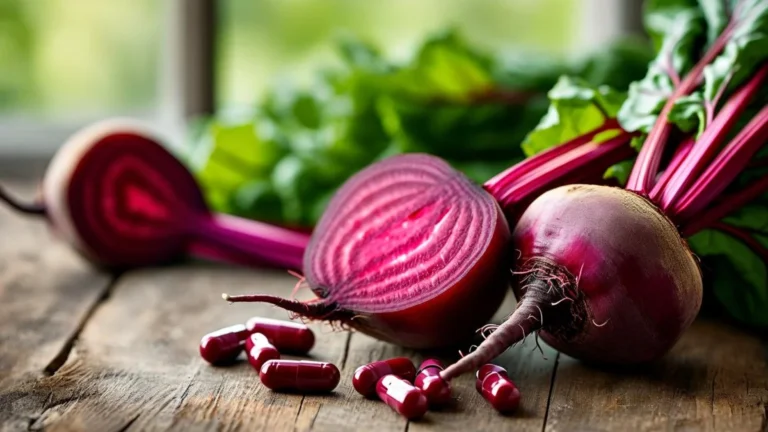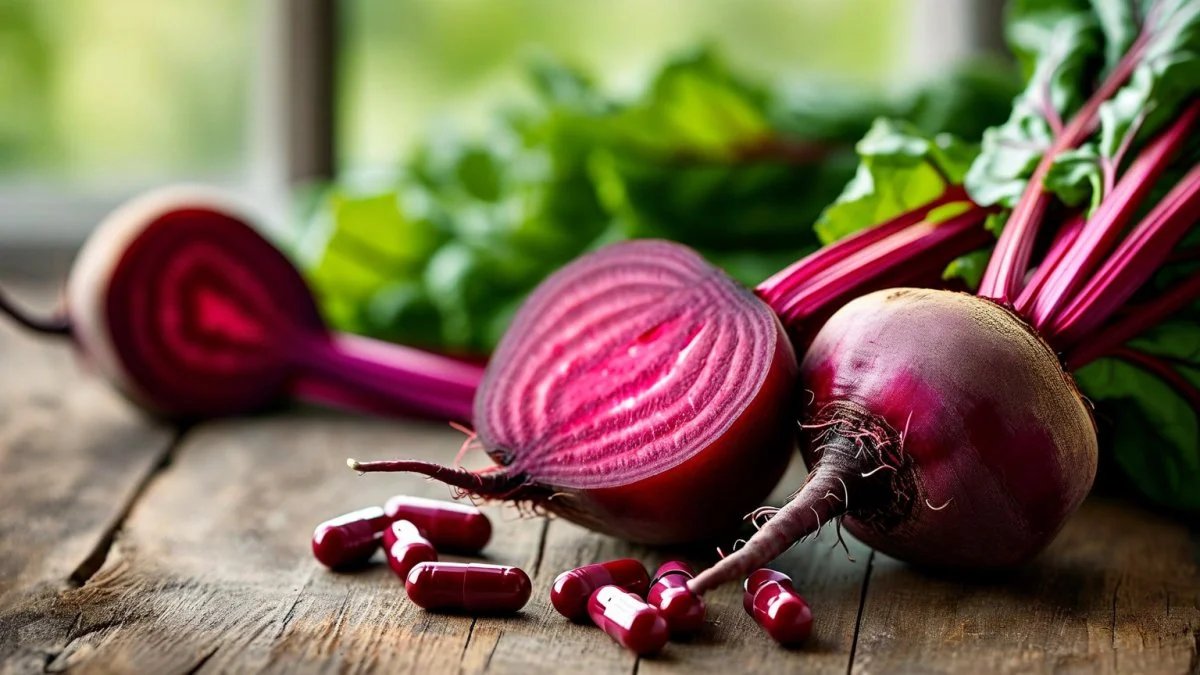
The prevalent athletic pursuit of enhanced physical performance often leads individuals to invest considerable resources in commercially produced supplements, overlooking the potent capabilities inherent in readily available natural sources. While pre-workout formulations and specialized powders dominate popular discourse on ergogenic aids, the humble beetroot stands as a scientifically validated, cost-effective alternative that frequently goes underutilized. Far from being a mere dietary trend, the physiological benefits of consuming beetroot are substantiated by a growing body of research, demonstrating its capacity to rival, and in some respects surpass, the efficacy of many synthetic performance boosters.
At the core of beetroot’s physiological impact lies its rich content of dietary nitrates, inorganic compounds that undergo a remarkable transformation within the human body. Upon ingestion, these nitrates are converted by oral bacteria and subsequently by enzymes in the liver and blood vessels into nitric oxide (NO). Nitric oxide acts as a crucial signaling molecule, playing a pivotal role in vasodilation – the widening of blood vessels. This vascular expansion facilitates a more unimpeded flow of oxygenated blood to working muscles, thereby improving nutrient delivery and waste product removal. This enhanced circulatory efficiency directly translates to a reduced physiological cost of exercise, meaning athletes can sustain a given intensity for longer, or achieve a higher intensity with the same perceived effort. Studies have indicated that this effect can contribute to improvements in endurance performance ranging from 2% to 3%, a margin often significant enough to distinguish personal bests from standard training sessions. In contrast to many stimulant-based supplements, which can elevate heart rate and blood pressure only to result in a subsequent energy deficit, beetroot’s mechanism is fundamentally different, promoting efficiency rather than merely amplifying arousal.
Beyond its nitrate content, beetroot offers a synergistic nutritional profile that complements its primary ergogenic function. It is a natural source of essential micronutrients such as folate, manganese, and a unique class of antioxidants known as betalains, which impart its characteristic deep red hue. These additional compounds contribute to overall cellular health, aid in recovery processes, and combat oxidative stress, providing a holistic approach to athletic support that extends beyond immediate performance enhancement. This multifaceted nutritional composition positions beetroot as a comprehensive dietary intervention rather than a singular-purpose supplement.
Understanding the temporal dynamics of beetroot consumption is paramount to unlocking its full potential. The conversion of dietary nitrates to nitric oxide and subsequent physiological effects are not instantaneous. Research suggests that peak plasma nitrate levels, and consequently, the optimal window for enhanced exercise economy, typically occur between two to three hours post-ingestion. Therefore, strategic timing is crucial. Consuming beetroot hours before an anticipated training session or competition, rather than immediately prior, allows the body sufficient time to process the nitrates and generate the beneficial nitric oxide. For instance, an evening workout would necessitate consumption earlier in the day, while a morning event would require pre-dawn intake. This understanding moves beyond a simplistic "take it and go" approach to supplement timing, demanding a more nuanced, anticipatory strategy.
However, the benefits of beetroot are not solely contingent on acute, singular doses. A growing body of evidence suggests that consistent, regular consumption can lead to a more profound and sustained impact. Over time, the body’s nitrate storage mechanisms can be upregulated, establishing a higher baseline level of nitrates available for conversion into nitric oxide. This means that incorporating beetroot into one’s regular dietary regimen, even in smaller quantities, can create a foundation upon which acute doses can then exert a more significant amplifying effect. This principle underscores the importance of dietary patterns over isolated consumption events for optimizing long-term physiological adaptations.
The form in which beetroot is consumed can influence both its nitrate bioavailability and its overall nutritional impact. Fresh beetroot, while offering the complete spectrum of nutrients including dietary fiber, generally possesses a lower concentration of nitrates per serving compared to processed forms. Beetroot juice, often concentrated, provides a more potent dose of nitrates, but its acidity and higher sugar content can be challenging for individuals with sensitive digestive systems or those managing carbohydrate intake. Beetroot powders offer convenience and a highly concentrated nitrate source, yet may sometimes be processed in ways that diminish other beneficial phytonutrients or contain fillers that dilute their efficacy. Selecting the most appropriate form often involves balancing convenience, nitrate concentration, digestive tolerance, and the desire for a broader nutritional profile.
In situations where beetroot is not readily accessible, or when taste preferences present a barrier, alternative dietary sources of nitrates can provide comparable physiological benefits. Dark leafy green vegetables, such as arugula, spinach, and kale, are exceptionally rich in dietary nitrates and can be easily incorporated into various meals and beverages. While their nitrate density might not always match that of concentrated beetroot products, their versatility and ease of regular consumption make them valuable alternatives. Pomegranate juice, while operating through slightly different pathways involving polyphenols that support nitric oxide production, also offers ergogenic advantages and is generally more palatable to a wider audience. Watermelon is another noteworthy option, containing citrulline, an amino acid that the body can convert into arginine, a precursor to nitric oxide. The combination of watermelon and beetroot has been observed to produce synergistic effects, enhancing nitric oxide availability beyond the additive contributions of each component alone.
When selecting commercially prepared beetroot products, vigilance regarding concentration is essential. Many products, particularly powders, may contain significant amounts of extraneous ingredients, leading to a diluted nitrate content. Optimal performance benefits are typically associated with products standardized to contain at least 250 milligrams of nitrates per serving. Athletes should scrutinize product labels and opt for those that clearly specify nitrate content, ensuring they are obtaining a potent dose rather than an inert filler.
Beyond the direct physiological effects, understanding the practical implications of beetroot consumption is vital for avoiding misconceptions and maximizing benefits. A common, albeit harmless, side effect of beetroot intake is the temporary discoloration of urine and feces to a reddish hue, a phenomenon known as beeturia. This is a normal physiological response and should not cause alarm. For individuals with a history of kidney stones, particularly calcium oxalate stones, moderation in beetroot consumption may be advisable due to its oxalate content, though this is a concern for a relatively small proportion of the population. Furthermore, optimal nitric oxide production is influenced by several lifestyle factors. Maintaining good oral hygiene is critical, as oral bacteria play a key role in the initial conversion of nitrates. Conversely, the use of antibacterial mouthwashes immediately before exercise can disrupt this process. Adequate intake of vitamin C, a co-factor in nitric oxide synthesis, and minimizing the consumption of highly processed foods, which can impair nitrate conversion pathways, are also important considerations.
Addressing the taste factor, often cited as a deterrent, can be managed through various culinary strategies. Blending beetroot with strong-flavored fruits such as berries or citrus can effectively mask its earthy undertones. Exploring golden beetroot varieties, which possess a milder flavor profile, or gradually introducing small quantities into familiar dishes like smoothies, salads, or even baked goods, can help cultivate tolerance.
A practical application of beetroot’s benefits can be seen in its integration into more substantial meal preparations, such as a pre-competition potato salad. This dish leverages the readily available carbohydrate energy from potatoes, crucial for fueling intense exercise, in conjunction with beetroot’s nitric oxide-boosting properties. The inclusion of ingredients like arugula further enhances nitrate intake, while healthy fats from sources like olive oil or avocado can aid in the absorption of fat-soluble nutrients. This approach transforms beetroot from a mere supplement into a component of a performance-oriented, enjoyable meal. Consuming such a meal approximately three to four hours prior to an event allows for optimal digestion and maximizes the window for nitrate conversion and subsequent physiological benefits.
It is crucial to recognize that beetroot, while potent, is not a panacea. Its effectiveness is amplified when integrated into a holistic approach to athletic preparation that includes adequate sleep, effective stress management, and consistent recovery. Overemphasis on any single dietary intervention, including beetroot, without addressing these foundational elements, can lead to suboptimal results. Individual responses to beetroot can vary significantly; some athletes may experience dramatic improvements, while others may notice more subtle changes. This variability does not negate beetroot’s efficacy but highlights the importance of personalized experimentation and tracking to ascertain individual response patterns. Furthermore, the cognitive benefits of enhanced blood flow to the brain, facilitated by nitric oxide, should not be overlooked. Improved focus, executive function, and reaction times are valuable assets in many sporting disciplines, and optimizing these aspects requires a conscious effort to manage the training environment and mitigate distractions.
Developing a personalized beetroot protocol involves a systematic approach. An initial phase might focus on establishing tolerance with lower daily doses, gradually increasing nitrate intake over several weeks to reach optimal levels. Close monitoring of digestive responses, perceived exertion during training, and objective performance metrics is essential for fine-tuning the dosage and timing to align with individual physiological responses and training schedules. This personalized strategy should be adapted based on training periodization, with potentially higher doses utilized during periods of intense competition or peak training, and maintenance doses during off-season or recovery phases.
Diligent tracking of key variables – including beetroot dosage, consumption timing, and perceived performance outcomes – can provide invaluable data for optimizing an individual’s protocol. This empirical approach allows athletes to move beyond generalized recommendations and develop a strategy tailored to their unique physiology and training demands. Ultimately, beetroot represents a powerful, science-backed tool for enhancing athletic performance and promoting long-term cardiovascular health. Its strategic integration into a balanced diet, coupled with mindful timing and attention to individual response, can unlock significant performance gains, offering a natural and sustainable alternative to many artificial supplements.
About the Author