Unraveling the Enigma: Bats’ Dual Antibody Gene Sets Offer Clues to Viral Resilience.
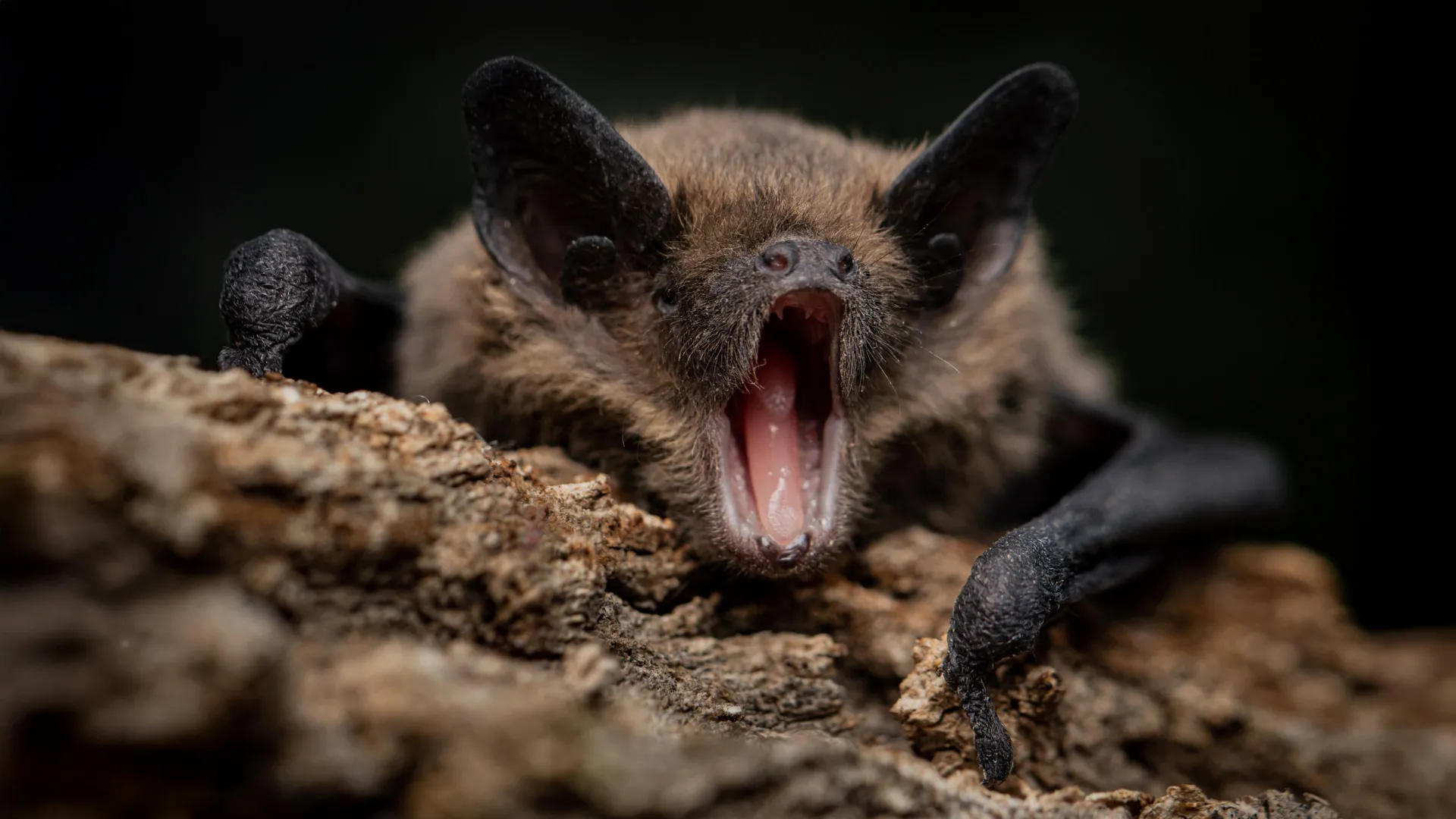
For generations, the biological community has grappled with a profound paradox concerning bats: how do these remarkable flying mammals harbor viruses that pose significant threats to other species, yet largely remain unaffected by them? A groundbreaking investigation, spearheaded by researchers at Tulane University in collaboration with institutions like Stanford University and the Centers for Disease Control and Prevention (CDC), has illuminated a crucial piece of this complex puzzle, pointing towards a unique genetic architecture underpinning their immune defenses.
The core of this discovery, detailed in the esteemed scientific journal Science Advances, lies in the identification of a peculiar characteristic within the world’s most expansive bat family: the presence of two distinct sets of genes responsible for synthesizing antibodies. Antibodies, those indispensable Y-shaped proteins, are the vanguard of the adaptive immune system, tasked with recognizing and neutralizing foreign invaders like viruses and bacteria. While all other known mammalian species possess a solitary gene cluster for producing the heavy chains that form the backbone of these crucial proteins, vesper bats, a diverse group encompassing over 500 species distributed across every continent save Antarctica, exhibit a dual system. This finding fundamentally reshapes our comprehension of immunological evolution and the varied strategies employed by different organisms to contend with pathogenic threats.
"This is an unprecedented observation in the mammalian kingdom," stated Dr. Hannah Frank, an associate professor of ecology and evolutionary biology at Tulane University’s School of Science and Engineering and the study’s lead author. "It compels a radical re-evaluation of how mammalian immune systems are structured and prompts fascinating new inquiries into the drivers of bat evolutionary success and their remarkable capacity to coexist with viruses."
The scientific fascination with bats extends beyond their unique immune system; their ecological significance is equally profound. As crucial pollinators, vital seed dispersers, and natural agents of pest control, bats play indispensable roles in maintaining healthy ecosystems worldwide. However, their status as natural reservoirs for a multitude of viruses has long been a subject of intense scientific scrutiny, particularly in light of zoonotic disease outbreaks. Understanding the mechanisms that allow bats to harbor these pathogens without succumbing to illness holds immense potential for advancing our knowledge of immunology across species and for developing more robust strategies to mitigate the risk of diseases jumping from animals to humans.
Historically, research into bat immunity has predominantly focused on their innate immune system, the body’s first line of defense, which provides a rapid, non-specific response to pathogens. The current findings, however, underscore the equally critical need for deeper exploration into the adaptive immune system, specifically the intricate mechanisms governing antibody production. The discovery of two separate heavy-chain gene systems in vesper bats suggests an enhanced capacity for generating a broader repertoire of antibodies. This increased diversity could translate into a more versatile and potent immune response, enabling bats to effectively neutralize a wider array of viral strains or to mount more rapid and efficient defenses against novel infections.
The structural composition of antibodies is fundamental to their function. Each antibody molecule is typically comprised of two identical heavy protein chains and two identical light protein chains. In the vast majority of mammals, including humans, the production of these heavy chains is governed by a single set of genes. The vesper bat’s deviation from this norm – possessing two independent gene systems for heavy-chain synthesis – opens up a new avenue of investigation into how this genetic duplication might confer evolutionary advantages. It is plausible that this duplication allows for greater variability in antibody structure, leading to an expanded range of binding affinities and specificities. Such an expanded antibody arsenal could provide bats with a distinct edge in combating the constant barrage of viruses they encounter in their diverse environments.
Dr. Frank elaborated on the significance of this discovery, describing it as a "crucial piece of the puzzle" in understanding bat viral resilience. While acknowledging that this finding does not provide a complete explanation for their role as viral reservoirs, it undeniably unveils a previously unknown dimension of immune variability within mammals. This revelation offers a fresh and compelling direction for future research, shifting the focus towards the adaptive immune system’s sophisticated molecular machinery.
The implications of this research extend far beyond the realm of bat biology. By dissecting the unique immunological adaptations of these animals, scientists gain invaluable insights into the fundamental principles of immune system evolution. Studying species that have diverged significantly in their evolutionary paths provides a richer, more nuanced understanding of biological processes than relying solely on models derived from humans or laboratory mice. Each unique evolutionary trajectory offers the potential for novel discoveries that can inform our broader understanding of health, disease, and the intricate interplay between hosts and their microbial communities.
The practical applications of this research are potentially far-reaching. A deeper comprehension of how bats manage viral infections without developing severe illness could pave the way for new therapeutic strategies for human diseases. It might also lead to the development of more effective surveillance methods for emerging infectious diseases and enhanced strategies for preventing zoonotic spillover events. The ability of bats to act as asymptomatic carriers of viruses, while simultaneously maintaining their own health, suggests a sophisticated regulatory mechanism within their immune systems that could hold valuable lessons for human medicine. This could involve understanding how bats manage inflammation, avoid tissue damage associated with viral replication, or effectively control viral loads without triggering a detrimental immune response.
The discovery of this dual antibody gene system in vesper bats is a testament to the power of comparative biology and the importance of exploring the planet’s diverse fauna. It challenges long-held assumptions about mammalian immunity and opens up exciting new frontiers in immunology, virology, and evolutionary biology. As scientists delve deeper into the genetic and molecular intricacies of bat immune systems, the hope is to unlock secrets that could ultimately benefit human health and contribute to a more secure global public health landscape. The ongoing exploration into the unique immunological adaptations of bats promises to continue yielding significant discoveries, further illuminating the complex and often surprising ways life has evolved to navigate the challenges of disease.

Related News