Neuroscientific Breakthrough Unveils Potential Creative Strengths Amidst ADHD Characteristics
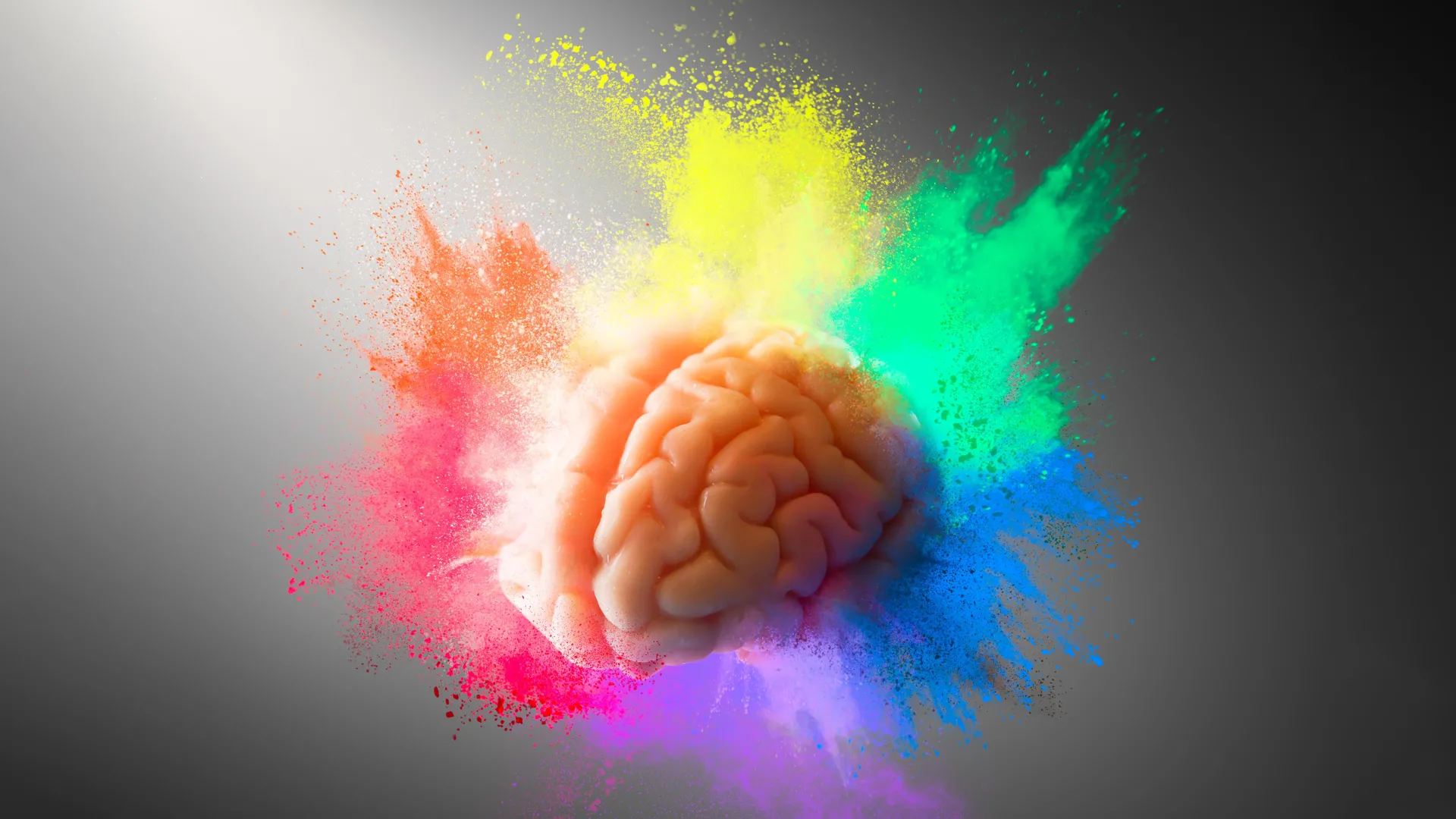
The intricate landscape of human cognition often presents paradoxes, and one such fascinating area of inquiry is the relationship between Attention-Deficit/Hyperactivity Disorder (ADHD) and creativity. While ADHD is widely recognized for its challenges in areas such as sustained focus, impulse management, and the ability to direct attention effectively, a growing body of research is beginning to illuminate a potential upside to these neurodivergent patterns. Emerging scientific investigation, spearheaded by neuroscientist Dr. Radwa Khalil of Constructor University, is delving into the neurological underpinnings of this apparent duality, suggesting that certain cognitive traits associated with ADHD might, in fact, serve as fertile ground for innovation and artistic expression. This paradigm shift moves beyond a purely deficit-based understanding of ADHD, proposing that its distinct attentional style could be harnessed for profound creative endeavors.
This exploration is not an isolated endeavor but rather part of a broader scientific movement seeking to reframe the perception of ADHD. Historically, conditions affecting attention have been predominantly viewed through a lens of deficiency, focusing on what is perceived as lacking or needing correction. Dr. Khalil articulates this conventional viewpoint, noting the prevailing tendency to diagnose and treat ADHD based on observed difficulties. However, she asserts that a deeper understanding of the brain’s intricate workings reveals a compelling overlap between the neural networks responsible for attention and those underpinning creativity. This suggests that neurodivergent attention patterns, rather than being solely problematic, can, under the right conditions, unlock pathways to highly potent creative thought processes.
The research, published in the esteemed scientific journal iScience, meticulously examines the neurological connections between attention and creativity. It posits that mechanisms such as "defocused attention," often associated with ADHD, may play a pivotal role in fostering creative thinking when channeled constructively. This groundbreaking work, co-authored by a consortium of researchers from several distinguished French academic institutions, contributes significantly to the growing body of evidence suggesting that creative pursuits could potentially serve as valuable non-pharmacological interventions for the substantial global population of children diagnosed with ADHD, estimated to be around 8% worldwide.
At the heart of this research is the concept that the brain systems involved in attention and creativity are not entirely separate entities but rather share significant common ground. The study, aptly titled Attention Unleashed: creative therapy for thoughtful transformation, synthesizes findings from diverse scientific disciplines to illustrate this intricate neurological interplay. One particularly salient example highlighted by the researchers is the phenomenon of free-associative thought. The capacity to allow ideas to meander and connect in unexpected ways is a cornerstone of creative insight. Paradoxically, these same cognitive patterns – the tendency for thoughts to drift, to engage in mind-wandering, and to exhibit distractibility – are also frequently observed characteristics of individuals with ADHD.
Dr. Khalil employs a compelling analogy to elucidate the intricate relationship between ADHD and attention: that of a spotlight. In a typical attentional system, the spotlight is narrow and precisely focused, allowing an individual to concentrate intensely on a single object or task. In contrast, the ADHD brain is characterized by a "wider spotlight," capable of taking in a more expansive array of information simultaneously. While this broader attentional field can present significant hurdles in tasks demanding singular focus and concentration, it simultaneously fosters an environment conducive to exploratory thinking and the novel amalgamation of ideas, the very fuel that ignites creativity. This expanded awareness, or "defocused attention," allows for a richer intake of stimuli and a greater propensity to traverse between disparate concepts, thereby facilitating the formation of unexpected and original connections.
The implications of this nuanced understanding are far-reaching, particularly in the realm of therapeutic and supportive strategies for individuals with ADHD and related conditions. Khalil and her collaborators propose that engaging in creative activities offers a structured yet flexible avenue for individuals with ADHD to direct and explore their naturally broader attentional focus. Activities such as visual arts, musical engagement, dance, creative writing, and even certain forms of gaming can provide environments where defocused attention is not a hindrance but an asset. Furthermore, the act of immersing oneself in creative work can actively contribute to the strengthening of neural pathways associated with attentional control. This process, the researchers suggest, could potentially modulate patterns of impulsivity and hyperactivity by working in concert with an individual’s inherent cognitive style, rather than in opposition to it.
Dr. Khalil elaborates on this therapeutic potential, emphasizing that authentic creative expression transcends mere enjoyable pastime. She explains that when individuals engage in creative endeavors, they are actively utilizing and exercising the same neural circuits that govern attentional control, effectively providing a form of cognitive training. For a child experiencing ADHD, the immersive state of "getting lost in the moment" while painting, composing music, or dancing can, in fact, be reinforcing their capacity for sustained attention by leveraging their unique cognitive blueprint. This approach reframes creative engagement not as a distraction from challenges but as a powerful tool for cognitive development and self-regulation.
Despite the compelling findings and the promising therapeutic avenues they suggest, the researchers are quick to underscore that the complex relationship between creativity and attention is still an evolving area of scientific understanding. Significant gaps in knowledge remain, necessitating further rigorous investigation. To address these critical areas, the study proposes a comprehensive framework designed to guide future research endeavors. This framework advocates for enhanced interdisciplinary collaboration, the development and implementation of novel methodological approaches, and the undertaking of longitudinal studies that can meticulously track cognitive and behavioral changes over extended periods.
Dr. Khalil strongly advocates for a broad, collaborative research effort to effect any substantial transformation in how ADHD is understood and managed. She envisions a future where neuroscientists, art therapists, clinicians, educators, and other specialists work in concert. The establishment of such an interdisciplinary foundation is crucial for elucidating the optimal conditions under which creative approaches are most beneficial and for determining how these innovative strategies can best complement and integrate with existing, evidence-based interventions for ADHD. This holistic approach promises to unlock a more comprehensive and empowering understanding of ADHD, recognizing its potential for fostering remarkable creative achievements.

Related News