Immune System’s Enduring Echo: How Obesity Rewrites Cellular Memory for Years Post-Weight Loss
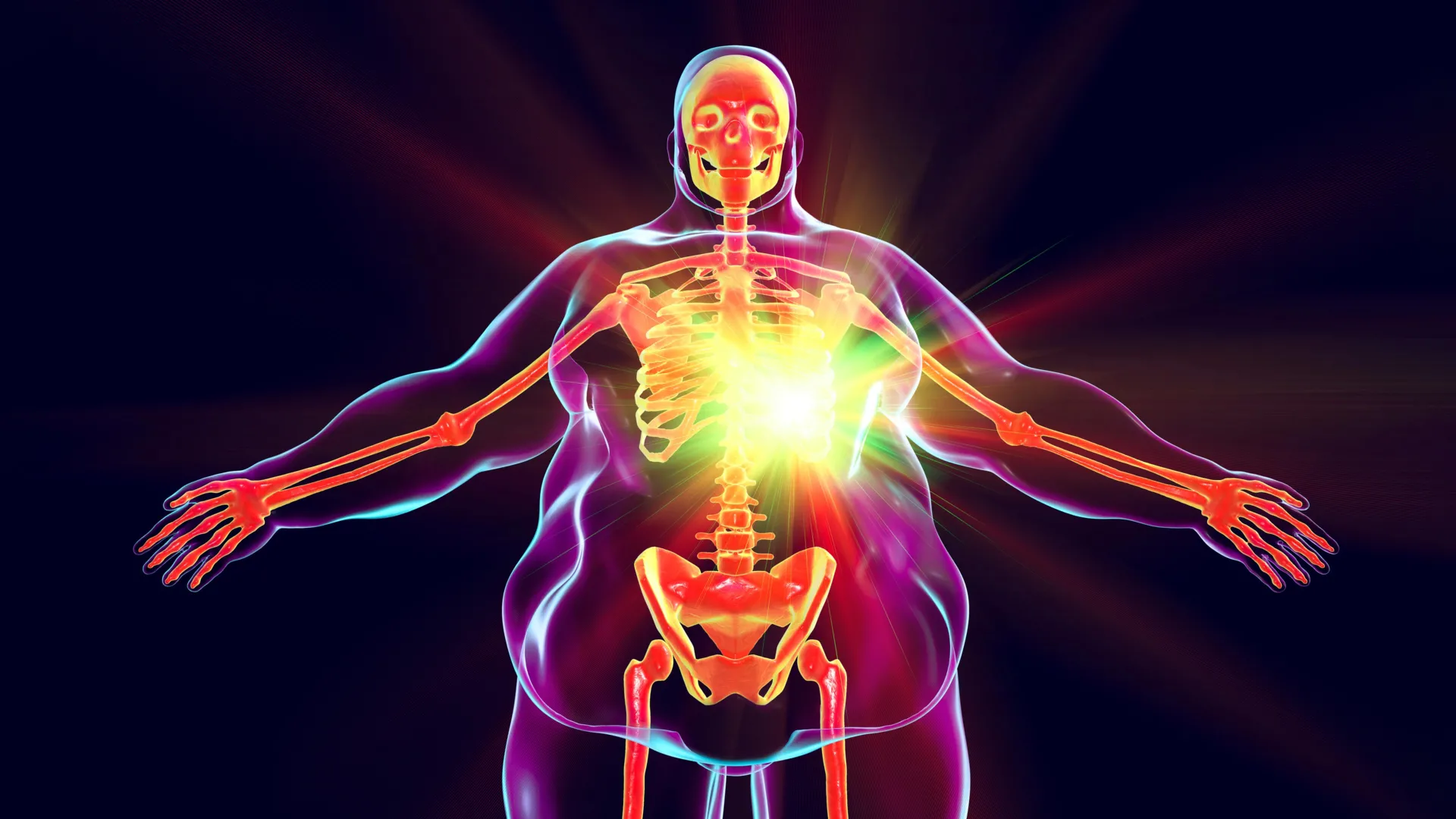
A decade-long investigation has illuminated a profound and persistent biological consequence of living with obesity, suggesting that the immune system can retain a molecular imprint of this condition for years, even after individuals achieve and maintain a reduced body weight. This research, published in the esteemed journal EMBO Reports, posits that crucial immune cells can harbor a form of "memory" from their time in an obese state, potentially perpetuating certain health vulnerabilities long after the physical manifestations of excess weight have receded.
At the forefront of this groundbreaking European study were Professor Claudio Mauro and his team at the University of Birmingham, operating under the auspices of the National Institute for Health and Care Research (NIHR) Biomedical Research Centre in Birmingham. Their meticulous examination focused on a specific type of immune cell, known as helper T cells, or CD4+ lymphocytes. The findings indicate that these vital defenders of the body can exhibit enduring characteristics associated with prior obesity, persisting well beyond the period of weight reduction.
A central tenet of the research delves into a complex biological mechanism termed DNA methylation. This epigenetic process involves the attachment of minute chemical tags, or markers, to the DNA within cells. These methylation patterns are not genetic mutations themselves but rather modifications that influence how genes are expressed. The study’s revelations suggest that these obesity-induced epigenetic alterations within helper T cells can remain in place for an extended duration, estimated to be between five and ten years following successful weight loss.
The persistence of this "obesity memory" within helper T cells carries significant implications for the body’s overall immune function. Researchers propose that these lingering cellular modifications could interfere with the normal, efficient operation of key immune processes. Two such critical functions that appear to be adversely affected are the body’s ability to clear cellular debris – a vital housekeeping task – and the regulation of immune system aging, a process known as immune senescence. The enduring nature of these changes, according to the study’s authors, offers a compelling explanation for why individuals who have experienced obesity may continue to face an elevated risk for diseases intrinsically linked to obesity, even when they have successfully returned to a healthier weight range.
To construct a comprehensive understanding of how obesity reshapes the immune landscape, the research team undertook a multifaceted analytical approach. Their investigation involved scrutinizing immune cells drawn from four distinct human cohorts. These groups were carefully selected to provide a broad perspective on the immunological impact of obesity and subsequent weight management. In parallel, the researchers utilized experimental models involving mice subjected to high-fat diets, a common strategy to simulate human obesity in a controlled laboratory setting. Furthermore, the study incorporated blood samples from healthy human volunteers, serving as a crucial baseline for comparison. The integration of these diverse models – human cohorts, animal studies, and healthy controls – empowered the scientists to meticulously dissect the intricate cellular mechanisms that contribute to immune dysfunction in the context of obesity.
The implications of these persistent epigenetic marks are profound, offering a potential biological basis for why health risks associated with obesity may not immediately dissipate after weight loss. Professor Claudio Mauro elaborated on this critical aspect, stating that the findings indicate short-term interventions aimed at reducing body weight may not be sufficient to instantly mitigate the heightened risk for certain obesity-related conditions, such as type 2 diabetes and some forms of cancer.
Instead, Professor Mauro explained, the gradual fading of this "obesity memory" appears to be a protracted process contingent upon ongoing and sustained weight management. He estimates that it could take several years, potentially five to ten years of consistent weight loss maintenance, for the effects of past obesity on T cells to be fully reversed. However, he also emphasized that this timeline requires further rigorous investigation to be definitively established.
Crucially, the study also points towards promising avenues for therapeutic intervention. Professor Mauro suggested that existing pharmacological agents, such as SGLT2 inhibitors, which have demonstrated efficacy in reducing inflammation and promoting the immune system’s role in clearing aged cells, could potentially be repurposed. Such repurposing might offer a means to accelerate the resolution of the immunological consequences of obesity, thereby expediting the return to a healthier immune profile.
Delving deeper into the cellular mechanisms, the researchers pinpointed two principal biological pathways that appear to be significantly influenced by the lasting DNA methylation changes observed in helper T cells. The first pathway is autophagy, a fundamental cellular process whereby cells essentially "consume" damaged or unnecessary components, acting as an internal recycling and cleanup mechanism. This process is vital for maintaining cellular health and function. The second pathway implicated is immune senescence, the age-related decline in immune system efficiency and responsiveness.
The research team’s future endeavors will leverage these discoveries to explore targeted therapeutic strategies. The ultimate goal is to develop interventions capable of restoring normal immune activity when it has been disrupted by obesity-induced epigenetic modifications. Such advanced treatments could potentially be integrated with conventional weight loss therapies, offering a dual-pronged approach to significantly reduce the long-term risk of metabolic diseases, certain cancers, and other health complications exacerbated by obesity.
Dr. Belinda Nedjai, a senior author on the paper from the Wolfson Institute of Population Health at Queen Mary University London, underscored the significance of the findings. She stated that the research demonstrates a clear association between obesity and durable epigenetic alterations that profoundly impact the behavior of immune cells. This, she emphasized, suggests that the immune system actively retains a molecular chronicle of past metabolic experiences, a record that has tangible implications for an individual’s long-term disease risk and their capacity for recovery.
Professor Andy Hogan from the Kathleen Lonsdale Institute for Human Health Research at Maynooth University Ireland, provided further context by highlighting the chronic and relapsing nature of obesity as a disease. He noted that the study’s findings contribute valuable insights into the molecular mechanisms that may drive this relapsing tendency. Moreover, he pointed out that these insights underscore the considerable challenges faced by individuals living with obesity in achieving and sustaining successful weight management. The research was facilitated by the NIHR Biomedical Research Centre: Birmingham, an institution dedicated to advancing research aimed at improving the health outcomes for individuals managing multiple long-term health conditions.

Related News