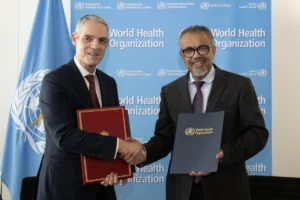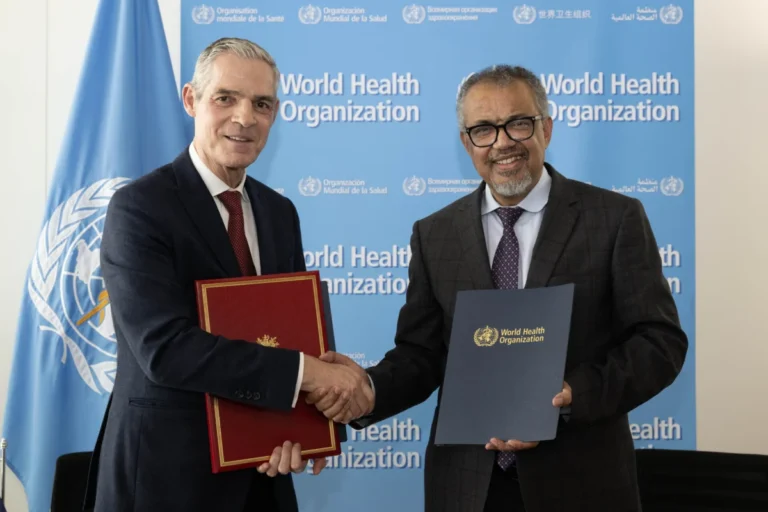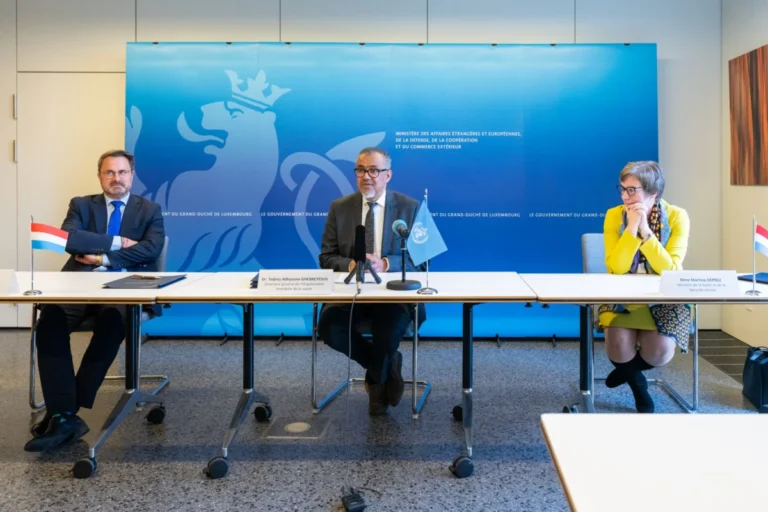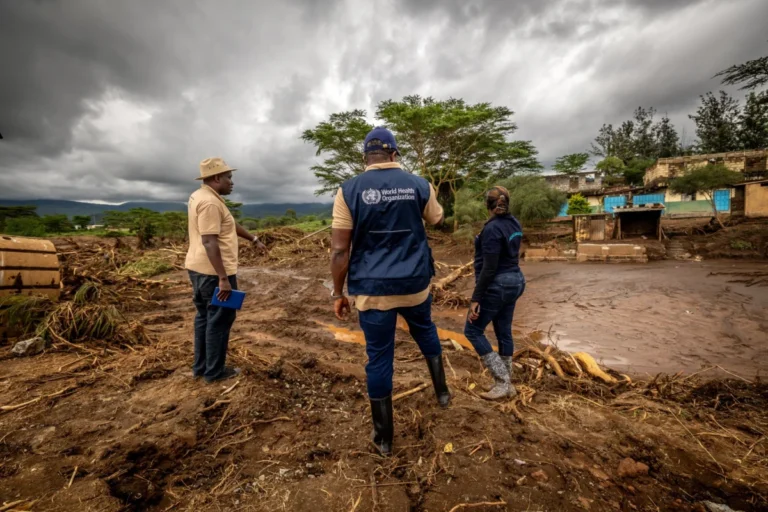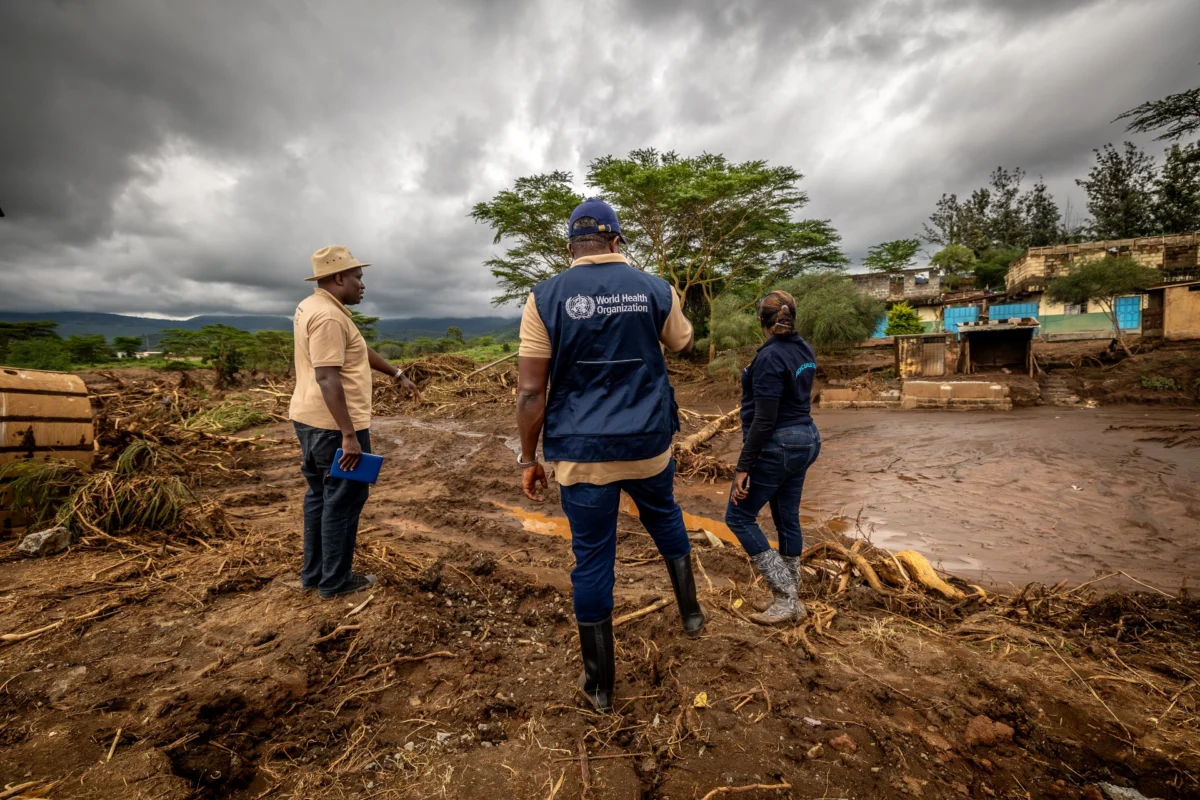
In a pivotal development for global public health and environmental sustainability, the World Health Organization (WHO) and the Kingdom of the Netherlands have formalized the extension of their strategic collaboration, specifically targeting the escalating health ramifications of climate change. This renewed commitment underscores a shared understanding of the urgent need to fortify healthcare systems against environmental shifts and comes at a critical juncture as nations worldwide grapple with increasingly frequent and severe climate-related health crises. The Dutch government has pledged an additional €500,000 for the year 2024, reinforcing its steadfast dedication to fostering climate resilience within health infrastructures and championing sustainable healthcare practices across the globe.
This substantial financial contribution is specifically earmarked to invigorate the operational capabilities of the Alliance for Transformative Action on Climate and Health (ATACH) Secretariat. Established to accelerate the implementation of health commitments made at COP26 and facilitate a global transition to climate-resilient and low-carbon health systems, ATACH plays a crucial role in coordinating international efforts. Furthermore, the funding will directly support the expansion and enhancement of WHO’s comprehensive climate change and health programs worldwide, ensuring that vital resources reach the most vulnerable populations and regions. This latest allocation elevates the total financial support from the Netherlands to WHO’s climate and health endeavors to more than €1.1 million since the partnership’s inception in 2023, signaling a deep and growing commitment from the European nation.
The intricate interplay between a changing climate and human well-being presents one of the most complex and far-reaching challenges of our era. Rising global temperatures contribute to an expansion of vector-borne diseases such as malaria and dengue fever, as mosquitoes and other disease carriers extend their geographical range. Extreme weather events, including intense heatwaves, devastating floods, prolonged droughts, and fierce storms, directly cause injuries, fatalities, and widespread displacement, simultaneously disrupting access to essential healthcare services. Air pollution, exacerbated by fossil fuel combustion and wildfires, leads to a surge in respiratory and cardiovascular illnesses. Moreover, climate change undermines food and water security, fostering malnutrition and the spread of waterborne diseases, while the psychological toll of environmental degradation and uncertainty manifests in increased rates of anxiety, depression, and post-traumatic stress. Recognizing these multifaceted threats, the WHO has positioned climate change and health as a central pillar of its global agenda, advocating for robust, integrated responses.
The collaborative framework between the Netherlands and WHO, initially forged in 2023, has already yielded tangible progress in various regions. Through joint initiatives, countries in Africa, Asia, and the Eastern Mediterranean have received crucial support in developing and deploying integrated climate and health surveillance systems. These sophisticated platforms are designed to monitor both climatic indicators and health outcomes simultaneously, enabling early detection of potential health crises linked to environmental shifts. For instance, by correlating meteorological data with disease incidence, health authorities can anticipate outbreaks of heat-related illnesses or vector-borne diseases, triggering timely public health interventions. Concurrently, the partnership has been instrumental in strengthening national capacities to fulfill the health-specific commitments articulated at the 26th United Nations Climate Change Conference (COP26) in Glasgow. These commitments largely focus on building health systems that are both resilient to climate shocks and actively contribute to decarbonization efforts.

A key achievement of the initial phase of the collaboration has been the harmonization of early warning systems for climate-related health risks. This involves standardizing data collection, analysis, and dissemination protocols across different national and regional health agencies, ensuring that alerts are consistent, reliable, and actionable. Such harmonization is critical for cross-border cooperation, particularly in regions sharing ecological zones or migratory patterns of disease vectors. Furthermore, the partnership has empowered numerous nations to enhance their readiness for climate-resilient health systems. This encompasses a broad spectrum of activities, from developing robust emergency response plans and training healthcare professionals in climate-sensitive health management to fortifying physical health infrastructure against extreme weather and ensuring resilient supply chains for medicines and equipment. These proactive measures are indispensable for safeguarding public health in an era of escalating climate uncertainty.
The Netherlands has long been recognized as a global leader in advocating for decisive climate action within the health sector. This proactive stance is deeply embedded within the nation’s overarching foreign policy, notably articulated in its Dutch Global Health Strategy 2023-2030. This comprehensive strategy explicitly identifies the profound intersection of climate change and health as a priority area, emphasizing the need for integrated solutions that address both environmental protection and public well-being. Reflecting this leadership on the international stage, the Netherlands, in a collaborative effort with Peru, spearheaded the successful adoption of the World Health Assembly 77 Resolution on Climate Change and Health in 2024. This landmark resolution, which effectively renews and updates a previous resolution from 2008, underscores the escalating urgency of the climate-health nexus and calls for accelerated, coordinated efforts globally.
The WHA77 resolution is a powerful declaration, advocating for the development of a dedicated WHO global action plan on climate change and health. Such a plan would provide a strategic roadmap for international cooperation, resource mobilization, and technical guidance to Member States. Critically, the resolution also implores national governments to intensify their own efforts in this domain, integrating climate change considerations into all facets of their health policies and programs. Moreover, it mandates the mainstreaming of climate change and health within WHO’s new Fourteenth General Programme of Work (GPW). The GPW, which outlines WHO’s strategic priorities and operational framework for the coming years, will now centrally feature climate and health as a foundational element, ensuring that this critical area receives sustained attention and investment across all of WHO’s programmatic activities.
The renewed partnership between the Netherlands and WHO gains particular significance as the global health community prepares for the upcoming discussions on climate change and health at COP29, scheduled to take place in Azerbaijan later in 2024. These high-level negotiations represent a crucial opportunity to elevate health on the climate agenda, ensuring that mitigation and adaptation strategies explicitly consider and address their health implications. The WHO’s commitment to prioritizing climate change within its new GPW is unwavering, with the organization’s latest Investment Case projecting that concerted action in collaboration with Member States and partners could lead to an estimated 7.5 million lives saved over the next four years. This ambitious projection highlights the transformative potential of robust, well-funded initiatives aimed at building climate-resilient and low-carbon health systems.
Looking ahead, the Netherlands and WHO are steadfast in their resolve to maximize the impact of their enduring partnership. A core objective remains to ensure that health considerations are not only present but central to all climate negotiations and subsequent actions. This involves persistent advocacy for policies that protect and promote human health in the face of environmental change, as well as the allocation of sufficient resources to implement these policies effectively. A concentrated focus will continue to be placed on enhancing resilience in regions most vulnerable to climate impacts, many of which are already grappling with fragile health systems and limited resources. Furthermore, the partnership will intensify its efforts to empower countries with the knowledge, tools, and financial means to implement sustainable, low-carbon healthcare solutions. This includes promoting the adoption of renewable energy in health facilities, reducing healthcare waste, and fostering environmentally sound procurement practices. By working collaboratively, these two entities aim to forge a path towards a future where health systems are not only robust enough to withstand the shocks of a changing climate but also contribute positively to global environmental sustainability, safeguarding the well-being of populations for generations to come.
About the Author