Beverage Habits in Later Life: New Longitudinal Study Illuminates Tea’s Potential Bone Benefits and Coffee’s Threshold Effects
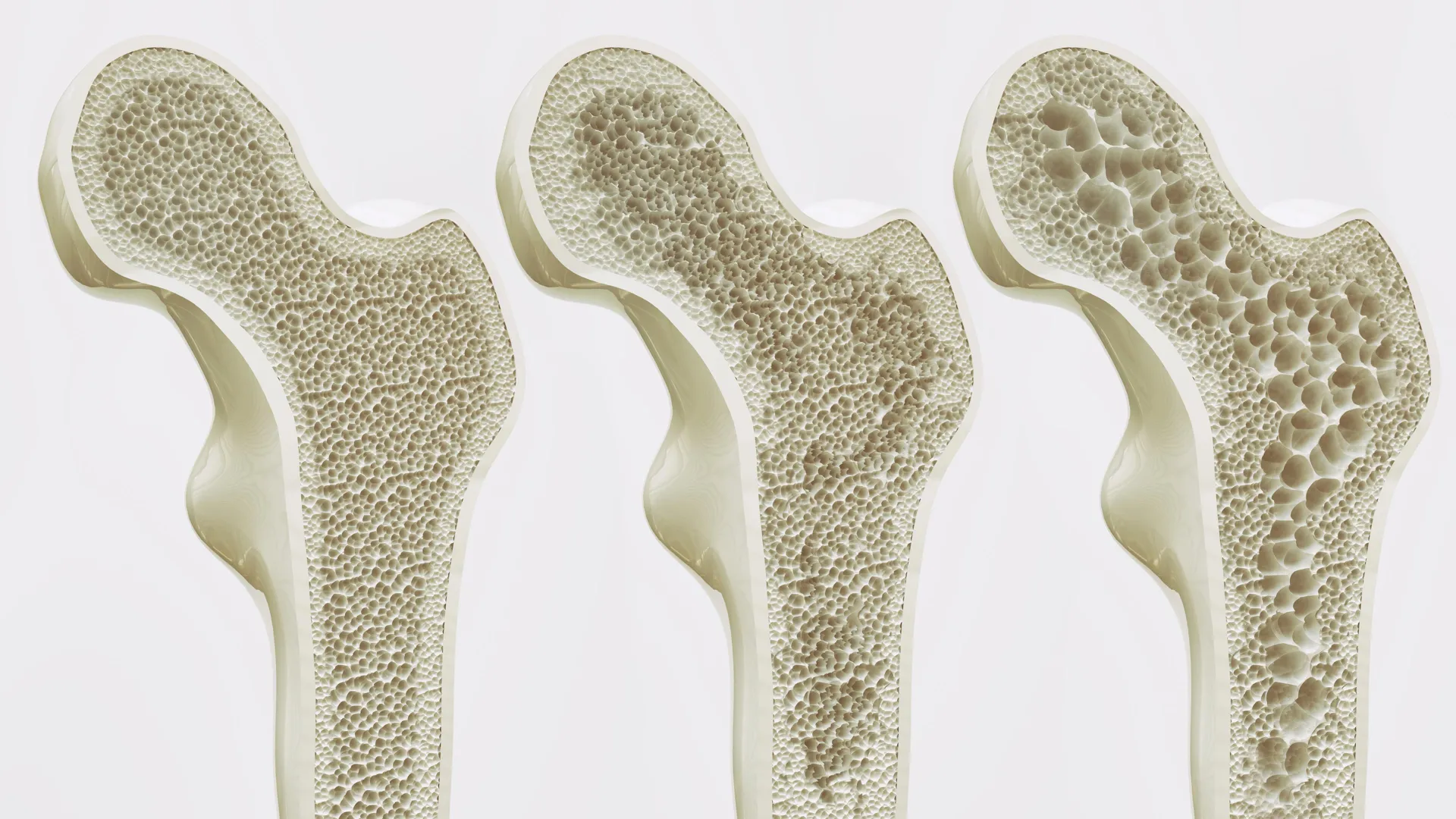
A decade-long investigation involving nearly 10,000 women aged 65 and older has yielded significant insights into the intricate relationship between common daily beverages – coffee and tea – and bone mineral density (BMD), a critical indicator for assessing the risk of osteoporosis. Conducted by researchers at Flinders University, the study, published in the esteemed journal Nutrients, meticulously tracked participants’ consumption patterns and their skeletal health over a substantial 10-year period, offering a more nuanced understanding than many previous, shorter-term investigations. Osteoporosis represents a formidable global health challenge, impacting approximately one in three women beyond the age of 50 and contributing to millions of debilitating fractures annually. Given the pervasive nature of coffee and tea consumption worldwide, even subtle influences on bone integrity could have far-reaching public health consequences. The scientific community has historically presented a complex and often contradictory picture regarding the effects of these beverages on bone health, underscoring the importance of robust, longitudinal research like this recent Flinders University endeavor.
The research team meticulously analyzed data sourced from the comprehensive Study of Osteoporotic Fractures (SOF), a well-established cohort designed to investigate factors influencing bone health. Participants consistently provided detailed self-reports on their daily intake of both coffee and tea throughout the 10-year study duration. Concurrently, advanced imaging techniques were employed to regularly measure BMD at two key skeletal sites: the total hip and the femoral neck. These specific regions are particularly vulnerable to fractures in individuals with compromised bone density, making their assessment crucial for understanding osteoporosis-related risks. The repeated measurements allowed researchers to observe temporal changes and establish associations between beverage consumption and BMD trajectories over time, moving beyond simple cross-sectional correlations.
The findings revealed a discernible, albeit modest, positive association between regular tea consumption and bone health in this cohort of older women. Those who reported drinking tea exhibited slightly higher total hip BMD compared to their non-tea-drinking counterparts. While the magnitude of this difference was not dramatic, its statistical significance suggests a consistent protective effect that could translate into meaningful public health benefits when extrapolated across large populations. Adjunct Associate Professor Enwu Liu, a key contributor from the College of Medicine and Public Health at Flinders University, highlighted the profound implications of even incremental improvements in bone density, stating that "even small improvements in bone density can translate into fewer fractures across large groups." This underscores the principle that in public health, incremental gains can yield substantial population-level benefits.
In contrast, the impact of coffee consumption presented a more complex and dose-dependent pattern. Moderate coffee intake, defined in the study as approximately two to three cups daily, did not appear to be associated with any detrimental effects on bone health. However, a significant divergence emerged among women who consumed substantially higher quantities of coffee, specifically exceeding five cups per day. This group demonstrated measurably lower BMD, indicating a potential threshold beyond which very high coffee consumption may exert negative influences on skeletal integrity.
Furthermore, the study uncovered interesting interactions between beverage consumption and other health and lifestyle factors, suggesting that the effects are not uniform across all individuals. The negative associations observed with high coffee intake were amplified among women reporting higher lifetime alcohol consumption. Conversely, the subtle benefits attributed to tea were more pronounced in women who were categorized as having obesity. These modulating factors imply that individual susceptibility and co-existing health conditions can significantly alter the way the body responds to these common dietary components.
The researchers delved into potential biological mechanisms underlying these observed differences. Ryan Liu, a co-author of the study, pointed to the rich presence of catechins in tea as a possible explanation for its beneficial effects. These potent antioxidants, abundant in various tea varieties, are hypothesized to play a role in promoting bone formation processes while simultaneously inhibiting bone resorption, the natural breakdown of bone tissue. This dual action could contribute to maintaining or even modestly increasing bone density over time.
In contrast, the caffeine content of coffee was cited as a potential factor influencing bone metabolism. Previous laboratory-based studies have suggested that caffeine can interfere with calcium absorption and disrupt normal bone metabolism. However, it is important to note that these effects are generally considered small in magnitude and can potentially be mitigated. As Ryan Liu elaborated, "Coffee’s caffeine content, by contrast, has been shown in laboratory studies to interfere with calcium absorption and bone metabolism, though these effects are small and can be offset by adding milk." The addition of milk, a common practice, introduces calcium and vitamin D, essential nutrients for bone health, which may counteract some of the potential negative effects of caffeine.
The findings from this longitudinal analysis suggest that incorporating regular tea consumption into one’s diet could represent a straightforward and accessible strategy for supporting bone health in later life. Adjunct Associate Professor Enwu Liu reiterated this sentiment, suggesting that "the findings suggest that regularly drinking tea could offer a simple way to support bone health later in life." He further advised caution regarding excessive coffee intake, noting that "While moderate coffee drinking appears safe, very high consumption may not be ideal, especially for women who drink alcohol."
It is crucial to emphasize that the researchers consistently stressed the modest nature of the observed differences. While the statistical significance of the findings indicates a reliable trend, the effect sizes were not so large as to warrant drastic alterations to individual dietary habits. Associate Professor Liu clearly articulated this point, stating, "Our results don’t mean you need to give up coffee or start drinking tea by the gallon." The study’s findings are intended to inform broader public health perspectives and encourage mindful consumption rather than dictating extreme dietary changes for individuals.
The study’s conclusions offer a balanced perspective: moderate tea consumption may contribute positively to bone health, while very high coffee intake warrants consideration, particularly for certain demographic groups. "But they do suggest that moderate tea consumption could be one simple way to support bone health, and that very high coffee intake might not be ideal, especially for women who drink alcohol," he added. This nuanced advice acknowledges the complexity of dietary influences on health.
Ultimately, while calcium and vitamin D remain foundational pillars for maintaining strong bones, the composition of daily beverages can also play a supporting role. For older women, the simple act of enjoying a daily cup of tea might offer more than just a comforting ritual; it could represent a small, yet potentially beneficial, step towards preserving skeletal strength. The research paper, titled ‘Longitudinal Association of Coffee and Tea Consumption with Bone Mineral Density in Older Women: A 10-Year Repeated-Measures Analysis in the Study of Osteoporotic Fractures’, authored by Ryan Yan Liu and Enwu Liu, provides valuable data for both the scientific community and the public regarding dietary choices and bone health. The SOF study itself received substantial support from the National Institute on Aging (NIA) and the National Institute of Arthritis and Musculoskeletal and Skin Diseases (NIAMS), through grants AG05407, AR35582, AG05394, AR35584, and AR35583, underscoring the collaborative effort and significant investment in understanding chronic disease prevention.

Related News