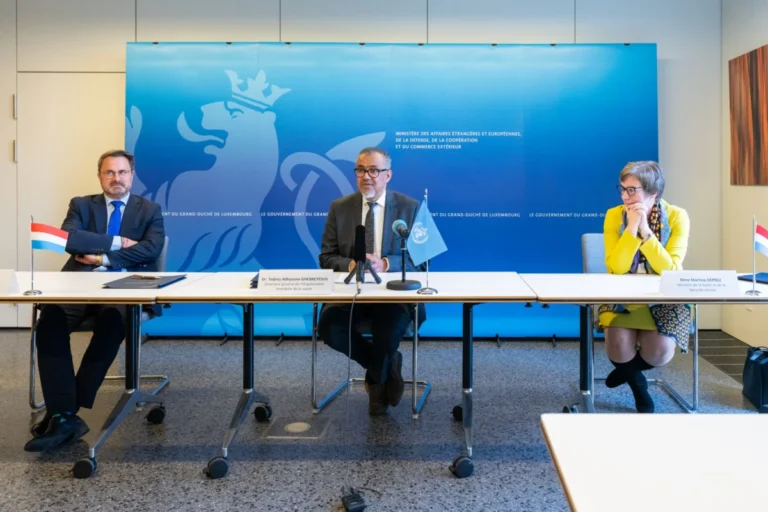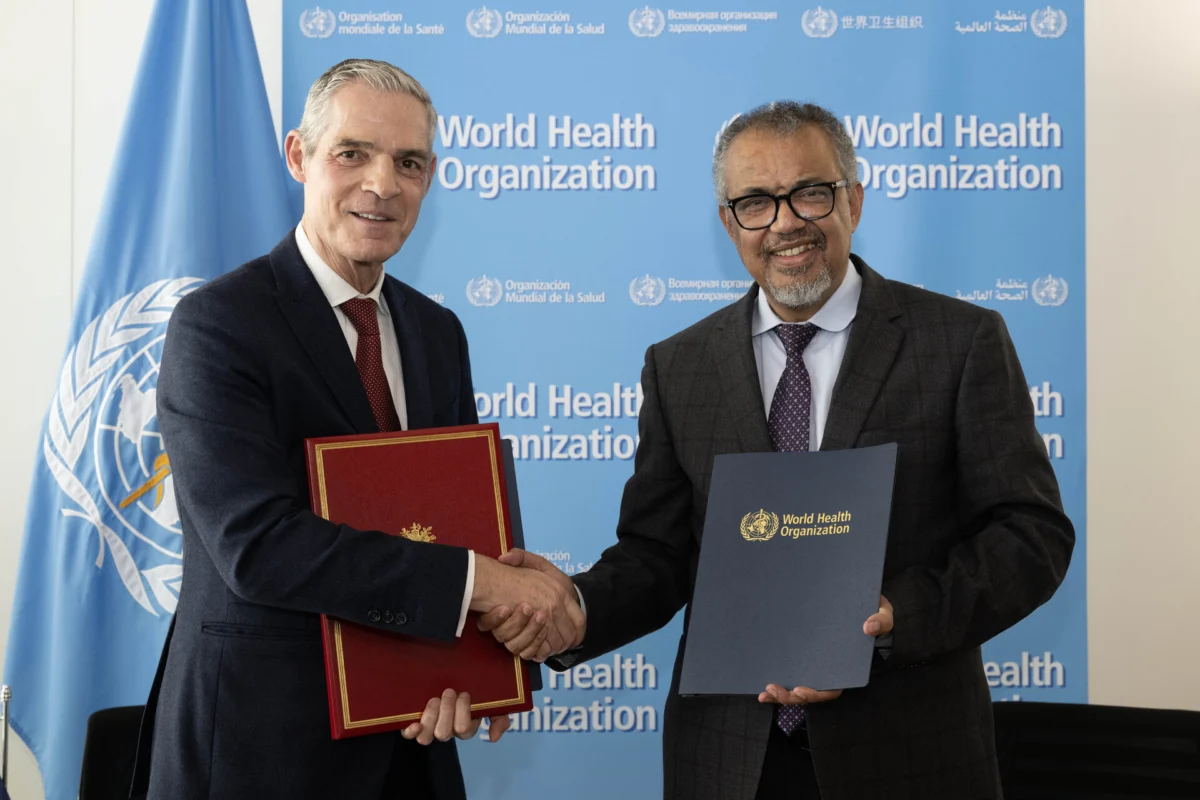
In a significant affirmation of international solidarity and commitment to global health security, representatives from France and the World Health Organization (WHO) convened in Geneva on October 17, 2024, to formalize a series of substantial funding agreements. His Excellency Mr. Jérôme Bonnafont, Permanent Representative of France to the United Nations in Geneva, met with Dr. Tedros Adhanom Ghebreyesus, the Director-General of WHO, at the organization’s headquarters for the signing ceremony of seven distinct contribution agreements. This concerted effort underscores a shared vision for a healthier global community, particularly in an era marked by complex health challenges and humanitarian crises.
The cumulative financial pledge from the French Ministry of Europe and Foreign Affairs amounts to an impressive €24 million, channeled through various mechanisms designed to bolster WHO’s critical operations worldwide. This latest tranche of funding is not an isolated gesture but rather seamlessly integrates into the broader strategic framework established by the France-WHO Framework Agreement spanning from 2020 to 2025. This foundational accord serves as a comprehensive blueprint, not only outlining strategic areas of engagement aligned with WHO’s overarching priorities but also furnishing the necessary legal, administrative, and financial instruments required to translate collaborative intentions into tangible, operational outcomes. The consistent renewal and expansion of such agreements highlight a sustained, robust partnership rooted in mutual objectives and a deep understanding of global health imperatives.
A particularly vital component of France’s generous contribution is the allocation of €4.5 million in fully flexible voluntary funds, directed towards the Core Voluntary Contributions Account (CVCA). This specific type of funding is often heralded by international organizations as the most impactful, providing WHO with unearmarked resources that can be swiftly deployed to areas of greatest need, cover essential operational costs, and support core strategic functions without the restrictive conditions sometimes associated with earmarked donations. In an environment where the majority of WHO’s budget is derived from voluntary, often highly specified contributions, flexible funding like that provided by France offers crucial agility, enabling the organization to maintain operational independence and respond rapidly to unforeseen crises or critical programmatic gaps that might otherwise go unaddressed. It allows the WHO to allocate resources where they are most effective, ensuring sustained support for foundational public health initiatives that underpin global health resilience.
Beyond the vital flexible funding, France’s investment extends to several specific, high-priority areas of WHO’s work, directly addressing some of the most pressing health challenges confronting humanity. These targeted initiatives reflect a nuanced understanding of global health priorities, ranging from chronic conditions to emergent threats and humanitarian emergencies. Among these, significant resources are dedicated to combating non-communicable diseases (NCDs), which include conditions such as cardiovascular diseases, cancers, diabetes, and chronic respiratory diseases. NCDs represent a staggering global health burden, responsible for millions of premature deaths annually and imposing immense socio-economic costs. France’s support will aid WHO’s efforts in prevention, early detection, treatment, and care, particularly in low- and middle-income countries where access to such services remains limited.

Furthermore, the contribution will advance the innovative concept of "urban health labs." These initiatives focus on addressing the unique and complex health challenges prevalent in rapidly growing urban environments, which often concentrate issues like air pollution, inadequate sanitation, lifestyle-related diseases, and infectious disease transmission. Urban health labs facilitate data-driven interventions, foster community engagement, and promote policy changes tailored to specific city contexts, aiming to create healthier, more equitable urban living conditions for millions.
Another critical area receiving French backing is the "One Health" approach. This holistic paradigm recognizes the intricate interconnectedness between human health, animal health, and environmental well-being. The COVID-19 pandemic starkly highlighted the critical importance of One Health, demonstrating how zoonotic diseases can spill over from animals to humans, often exacerbated by environmental degradation. French funding will bolster WHO’s efforts to strengthen surveillance systems, promote intersectoral collaboration (e.g., between public health, veterinary, and environmental agencies), and develop comprehensive strategies to prevent future pandemics, combat antimicrobial resistance, and address food safety concerns from a unified perspective.
In the realm of emergency preparedness and response, France’s commitment is particularly impactful. A portion of the funding is allocated to the WHO Contingency Fund for Emergencies (CFE), a vital financial mechanism that provides immediate seed funding for rapid responses to health crises worldwide. The CFE is crucial for enabling WHO to deploy staff, essential supplies, and technical expertise within hours of an emergency declaration, often before larger international appeals can be launched and funded. This swift initial response capability can be instrumental in containing outbreaks and mitigating humanitarian health impacts, saving countless lives.
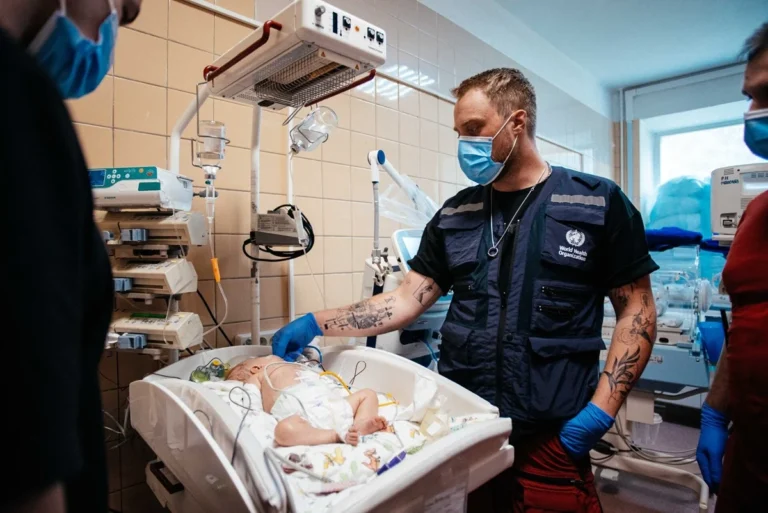
Moreover, the agreements specifically earmark support for WHO’s responses to several ongoing and critical emergencies. This includes the humanitarian health crisis in Gaza, where WHO is working tirelessly to deliver essential medical supplies, coordinate health partners, and provide critical health services amidst severe access constraints and ongoing conflict. The funding will also assist in addressing persistent cholera outbreaks, a preventable disease that continues to plague vulnerable populations globally due to inadequate water, sanitation, and hygiene. WHO’s response efforts typically involve surveillance, rapid diagnostic testing, treatment, vaccination campaigns, and improving WASH infrastructure. Additionally, vital support is directed towards mental health initiatives in Ukraine, where the protracted conflict has inflicted profound psychological trauma on millions. WHO programs in Ukraine focus on providing psychosocial support, trauma care, and strengthening national mental health services to cope with the immense needs arising from the crisis.
France also continues its steadfast support for the WHO emergencies centre located in Lyon. This strategically positioned facility plays a pivotal role in global health security, serving as a hub for epidemic preparedness and response. The Lyon centre contributes significantly to surveillance, risk assessment, data analysis, and the coordination of international efforts during outbreaks, enhancing WHO’s capacity to anticipate, detect, and respond to health emergencies more effectively and efficiently. Its work is foundational to strengthening global health security architecture and protecting populations from emerging infectious threats.

The enduring partnership between France and WHO extends beyond financial contributions, encompassing leadership in shaping the future of global health governance and financing. France has consistently championed a fully and flexibly financed WHO, advocating for reforms that would ensure the organization’s financial stability and operational independence. This includes providing critical leadership and support to increase assessed contributions – the mandatory fees paid by member states – which are crucial for predictable and sustainable funding of WHO’s core mandate. Relying less on voluntary contributions, particularly those that are highly earmarked, would allow WHO to better plan long-term strategies and allocate resources based purely on public health needs rather than donor preferences.
Further demonstrating its leadership, France is a co-host for WHO’s inaugural Investment Round. This groundbreaking initiative aims to mobilize predictable and flexible resources essential for implementing WHO’s Fourteenth General Programme of Work (GPW 2025–2028), which was officially approved by the World Health Assembly in 2024. The GPW represents the organization’s strategic blueprint for the coming years, outlining key priorities and targets for improving global health. The success of the Investment Round, with France’s active involvement, is critical for ensuring WHO has the necessary resources to achieve the ambitious goals set out in this new strategic plan, ultimately advancing health for all.
Ambassador Jérôme Bonnafont articulated the profound significance of this collaborative endeavor, stating, "France maintains an unwavering commitment to supporting the World Health Organization in its relentless pursuit of solutions for critical global health challenges. These newly signed agreements are a testament to our shared dedication to advancing health equity, delivering effective emergency responses, and fortifying healthcare systems across the globe." His remarks highlight France’s deep-rooted belief in multilateralism and the essential role of WHO in addressing complex health issues that transcend national borders.
Dr. Tedros Adhanom Ghebreyesus, the Director-General of WHO, conveyed his profound appreciation for the sustained commitment. "We are immensely grateful to the French Government for its unwavering support of WHO, its continued partnership, and its exemplary leadership in global health," Dr. Tedros stated. "This significant contribution will empower us to confront pivotal health threats, spanning from the widespread impact of non-communicable diseases to the urgent demands of emergency response, ultimately enabling us to safeguard lives and extend protection to the most vulnerable populations across the world." His words underscored the tangible impact of such partnerships on the lives of millions and the collective pursuit of global health security.
This formal signing ceremony represents more than just a financial transaction; it marks yet another pivotal moment in the robust and enduring strategic alliance between the World Health Organization and France. It serves as a powerful reinforcement of their joint, unwavering commitment to fostering a world that is inherently healthier, safer, and more equitable for all its inhabitants, reflecting a shared responsibility to confront the health challenges of the 21st century with collective action and resolve.
About the Author