Dental Integrity as a Predictive Indicator for Pancreatic Cancer Surgical Outcomes.
A groundbreaking study originating from Hiroshima University has unveiled a compelling correlation between the quantity of natural teeth a patient possesses and their long-term survival prospects following surgical intervention for pancreatic ductal adenocarcinoma (PDAC), a notoriously aggressive malignancy. This research delves into the intricate connection between oral well-being and systemic health, suggesting that the state of one’s dentition might offer valuable insights into a patient’s overall resilience and their capacity to withstand and recover from major oncological surgery.
The investigation, published in the esteemed Journal of Hepato-Biliary-Pancreatic Sciences, sought to elucidate whether oral health indicators could serve as a significant predictor of survival rates in individuals who have undergone radical pancreatectomy, a complex procedure involving the removal of all or a portion of the pancreas, often necessitating the excision of adjacent organs. While oral health has long been recognized for its impact on general well-being, and prior investigations have established links between poor dental status and prognoses in other forms of cancer, such as colorectal and esophageal, its specific role in the context of PDAC surgery had remained less defined. Previous research had hinted at potential connections between oral health conditions and the incidence of post-operative complications in PDAC patients, laying the groundwork for this more focused inquiry into survival outcomes.
Pancreatic cancer continues to present a formidable challenge in global oncology, characterized by its high mortality rates. Even in cases where surgical resection is deemed curative, the long-term prognosis for patients frequently remains unfavorable. Dr. Kenichiro Uemura, an associate professor at Hiroshima University’s Graduate School of Biomedical and Health Sciences and the corresponding author of the study, highlighted the current landscape, noting that emerging research has posited the involvement of periodontal pathogens, such as Porphyromonas gingivalis, in the initiation and progression of pancreatic cancer. However, the direct influence of oral health status on postoperative survival outcomes for PDAC patients had not been definitively established until this comprehensive study.
The clinical trial encompassed 339 consecutive patients who underwent radical pancreatectomy between 2014 and 2022 at the Department of Surgery within Hiroshima University Hospital. Prior to their surgical procedures, each participant underwent a thorough dental examination. The assessment of their oral health was meticulously conducted using two primary metrics: the total number of natural teeth remaining in their mouth and the status of their posterior teeth occlusion, which refers to the contact between the upper and lower premolars and molars during jaw closure. This comprehensive dental evaluation aimed to capture a quantifiable measure of oral health status.
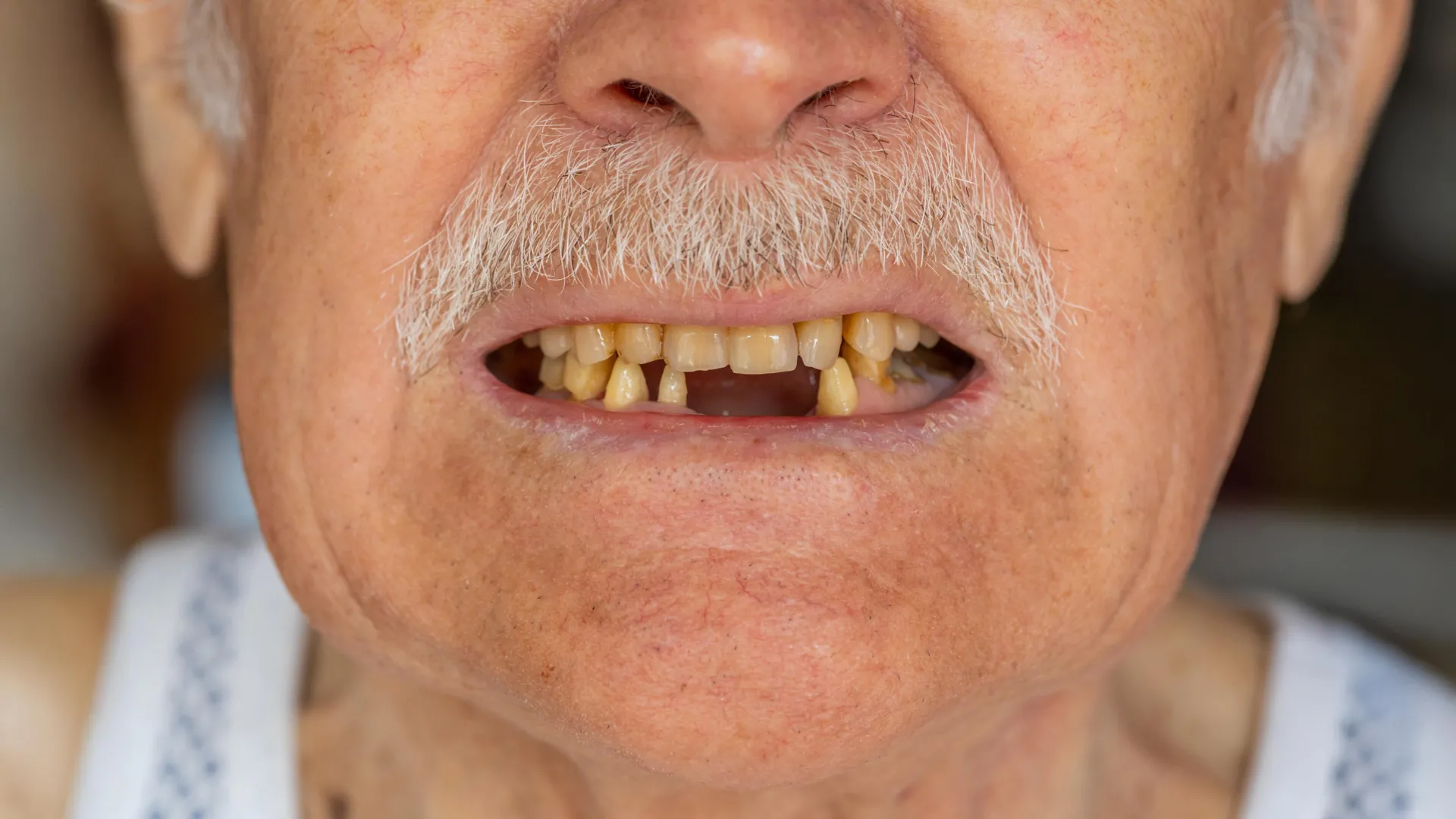
The findings revealed a pronounced disparity in survival rates contingent upon the number of natural teeth present. Patients who retained 21 or more natural teeth exhibited a median overall survival of 60.7 months. In stark contrast, individuals with 20 or fewer natural teeth experienced a significantly shorter median survival of 39.1 months. This substantial difference, amounting to nearly two years of extended survival for those with a higher tooth count, persisted even after the researchers rigorously controlled for a spectrum of well-established prognostic factors. These covariates included the stage of the tumor at diagnosis, the presence or absence of lymph node metastasis, the status of surgical margins (indicating whether all cancerous tissue was removed), the administration of chemotherapy, and the patient’s nutritional status. The statistical significance of the tooth count as an independent predictor underscores its potential importance beyond conventional prognostic markers.
Dr. Uemura elaborated on the implications of these findings, emphasizing the magnitude of the survival differential observed between the patient cohorts. He remarked that the nearly two-year disparity in median survival for individuals with more natural teeth compared to those with fewer was a particularly striking revelation. Furthermore, an equally intriguing observation was the lack of an independent association between chewing function, as evaluated by the occlusion of posterior teeth, and survival outcomes. This unexpected finding led the researchers to posit that tooth loss might serve as a more profound indicator than simply a measure of masticatory capability. Instead, it could potentially represent a proxy for a confluence of underlying health issues accumulated over a lifetime. These could include chronic inflammation, general frailty, compromised nutritional status, lifestyle choices, and an overall systemic vulnerability that develops over decades. Dr. Uemura eloquently summarized this concept by suggesting that "The mouth may reflect the body’s long-term resilience."
The observation that chewing ability itself did not independently correlate with survival strongly suggests that the number of teeth remaining acts as a broader marker of an individual’s overall health and physiological reserve, rather than being solely indicative of their ability to consume food effectively. According to the research team, the progressive loss of natural teeth could be a manifestation of the cumulative impact of various long-term health challenges. These may encompass chronic inflammatory processes, a decline in physical resilience, nutritional deficiencies, detrimental lifestyle habits, and other forms of systemic stress that have been experienced over many years. This perspective frames tooth loss not merely as a dental issue but as a potential harbinger of underlying systemic vulnerability.
Given that this pioneering research was conducted at a single institution and primarily involved patients of Japanese ethnicity, the researchers acknowledge the necessity for validation in larger, multicenter, and international studies. Future research endeavors will aim to delve deeper into the complex biological mechanisms that may link oral bacteria, chronic inflammation, and the progression of pancreatic cancer. The ultimate objective, as articulated by Dr. Uemura, is to foster a paradigm shift in the management of pancreatic cancer. This new perspective posits that a patient’s prognosis may be influenced not only by the intrinsic biology of their tumor but also by their long-term systemic condition and the environment within their oral cavity. The hope is that the assessment of oral health might eventually be integrated into personalized risk stratification protocols and perioperative management strategies for patients diagnosed with pancreatic cancer, thereby enhancing the precision and effectiveness of their care. The study was co-authored by Kaoru Seo (first author), Kenichiro Uemura (Principal Investigator), Kenjiro Okada, Tatsuaki Sumiyoshi, Ryuta Shintakuya, and Shinya Takahashi from Hiroshima University; Hiromi Nishi and Hiroyuki Kawaguchi from Hiroshima University Hospital; and Yoshiaki Murakami from Hiroshima Memorial Hospital.

Related News