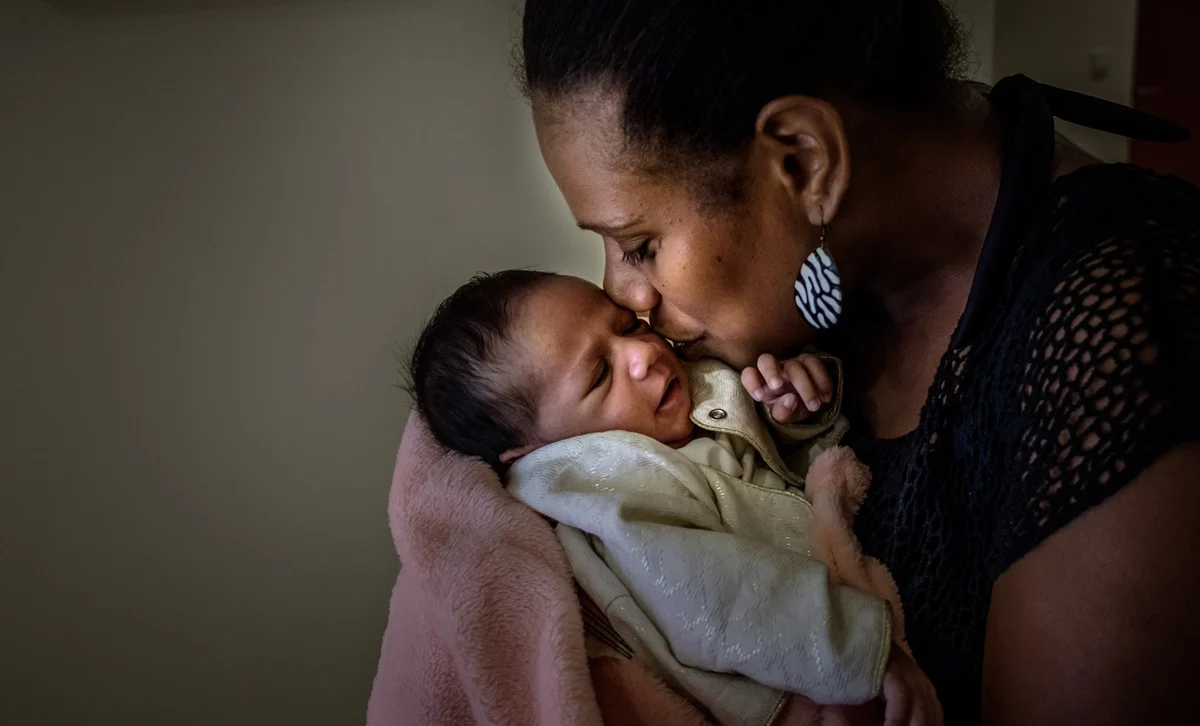
In a powerful display of global solidarity and commitment, health organizations worldwide have launched an unprecedented series of advocacy initiatives to spotlight the critical importance of maternal and neonatal care. This concerted effort coincides with World Health Day 2025, an occasion annually observed to draw attention to pressing global health challenges. This year, the focus is squarely on ensuring "Healthier beginnings, hopeful futures" for mothers and their newborns, a theme that underscores the foundational role of early life health in fostering resilient individuals and thriving societies. The World Health Organization (WHO), commemorating its seventy-seventh anniversary, has spearheaded this expansive campaign, activating over one hundred of its global offices in collaboration with diverse stakeholders.
These wide-ranging actions are a direct response to urgent warnings issued by various United Nations agencies regarding the precarious state of funding for essential health services. Experts caution that significant progress made in reducing maternal and child mortality rates over decades is now severely jeopardized by escalating financial shortfalls impacting the global health sector. The collective call seeks to fortify these vital healthcare provisions, which are increasingly vulnerable to economic downturns, shifting donor priorities, and the diversion of resources towards emergent humanitarian crises. This mobilization represents a unified plea to safeguard hard-won advancements and prevent a catastrophic reversal in public health achievements.
World Health Day, celebrated every April 7th, serves as a crucial platform for the WHO to engage member states, communities, healthcare professionals, philanthropic organizations, and civil society groups in addressing a designated global health priority. For 2025, the selected theme resonates deeply with the Sustainable Development Goals (SDGs), particularly SDG 3, which aims to ensure healthy lives and promote well-being for all at all ages. Specifically, targets 3.1 and 3.2 call for a reduction in the global maternal mortality ratio to less than 70 per 100,000 live births and an end to preventable deaths of newborns and children under 5 years of age by 2030, with all countries aiming to reduce neonatal mortality to at least as low as 12 per 1,000 live births. The current global economic climate, exacerbated by the lingering effects of the COVID-19 pandemic and geopolitical instabilities, has placed immense strain on national budgets and international aid mechanisms, imperiling these ambitious targets.
The ramifications of underfunding for maternal and neonatal health services are profound and far-reaching. Critical services such as antenatal check-ups, skilled assistance during childbirth, emergency obstetric and newborn care, postnatal follow-ups, and immunization programs face significant disruptions. A lack of financial support translates directly into shortages of essential medicines, inadequate medical equipment, insufficient training for health personnel, and dilapidated healthcare infrastructure. For expectant mothers, this could mean limited access to vital screenings that detect complications, absence of skilled birth attendants during labor, and a heightened risk of preventable deaths due to hemorrhage, eclampsia, or infection. For newborns, it translates to inadequate care for premature births, insufficient access to vaccinations, and a higher vulnerability to common childhood illnesses, ultimately leading to increased rates of infant mortality and long-term developmental challenges.
Across the globe, WHO regional offices and their national counterparts have tailored their advocacy efforts to local contexts while upholding the overarching message. From the African Region, where maternal mortality remains disproportionately high, to the Eastern Mediterranean and South-East Asia Regions grappling with unique healthcare delivery challenges, and extending to the European and Western Pacific Regions focusing on equitable access, the diverse initiatives highlight the universal nature of the challenge. These actions include public awareness campaigns disseminated through traditional and digital media, policy dialogues aimed at government leaders, community engagement programs to empower local populations, and resource mobilization events designed to attract further investment.
A compelling example of this localized yet globally significant action occurred in Chile, where Giovanni Escalante Guzmán, the Pan American Health Organization (PAHO)/WHO Country Representative, engaged in a poignant discussion with Mapuche leader Juana Cheuquepan. This dialogue, held on April 7, 2025, explored "mother and newborn health as the basis for healthy families and communities." The interaction underscored the importance of integrating indigenous wisdom and community-led approaches into national health strategies. By acknowledging the cultural context and traditional understanding of health within indigenous communities, such dialogues ensure that interventions are not only clinically sound but also culturally sensitive and deeply rooted in local values. The Mapuche perspective emphasizes a holistic view of well-being, where the health of the individual, particularly the mother and child, is intrinsically linked to the health and vitality of the entire family unit and the broader community. This specific engagement illustrates the multifaceted nature of the global campaign, moving beyond purely clinical interventions to encompass social, cultural, and community determinants of health.
The year-long campaign initiated by World Health Day 2025 is designed to sustain momentum beyond a single observance. It aims to foster a continuous dialogue and concerted action among governments, healthcare providers, communities, and international partners. The WHO’s appeal to governments and the broader health community is unequivocal: intensify efforts to eradicate preventable maternal and newborn deaths and prioritize the comprehensive, long-term health and well-being of women. This involves not only direct medical interventions but also addressing underlying factors such as nutrition, education, sanitation, and access to clean water, which are crucial for optimal health outcomes.
Furthermore, the emphasis on women’s longer-term health extends beyond the immediate perinatal period. It encompasses reproductive health services, mental health support, prevention and management of non-communicable diseases, and addressing gender-based violence, all of which profoundly impact a woman’s ability to thrive and contribute to her family and community. Investing in women’s health yields significant societal returns, enhancing economic productivity, strengthening family units, and building more resilient communities capable of facing future health crises.
The urgency of this global mobilization cannot be overstated. The fragile gains in maternal and newborn health are vulnerable to reversal without sustained political will and financial commitment. The WHO, in its seventy-seventh year, reasserts its foundational mission to ensure the highest attainable standard of health for all. The collective actions witnessed on World Health Day 2025 serve as a powerful testament to the global community’s resolve to create a future where every mother and every newborn receives the care they deserve, ensuring healthier beginnings and truly hopeful futures for generations to come. This sustained advocacy is a vital step toward fostering a world where no mother or infant is lost to preventable causes, and where the promise of a healthy start is a universal reality.
About the Author