A groundbreaking advancement from researchers at the University of Texas at Dallas (UT Dallas) is poised to revolutionize the field of restorative dentistry, promising to transform the laborious, multi-day process of creating permanent zirconia dental restorations into a single-visit procedure. This innovation addresses a long-standing challenge in the rapid fabrication of high-performance dental prosthetics, potentially ushering in an era of unprecedented efficiency and patient convenience for procedures like crowns, bridges, and veneers. The team’s work, which has garnered support from the National Science Foundation (NSF), focuses on dramatically accelerating the post-printing treatment of zirconia, a material universally acknowledged for its superior strength and longevity in dental applications.
Traditional methods for crafting permanent dental crowns often involve multiple appointments, temporary restorations, and a waiting period spanning days or even weeks while a dental laboratory manufactures the final product. While same-day crown solutions exist, they typically rely on either subtractive milling techniques or additive manufacturing using materials that do not possess the same robust mechanical properties as zirconia. The UT Dallas breakthrough, detailed in the journal Ceramics International, offers a pathway to combine the precision and customization of 3D printing with the unmatched durability of zirconia, all within a timeframe conducive to a single patient visit.
The Enduring Challenge of Zirconia in Rapid Fabrication
Dental crowns serve as vital protective caps, meticulously crafted to restore the form, function, and aesthetics of teeth compromised by decay, fracture, or extensive wear. They also play a crucial role in supporting dental bridges, which replace missing teeth. For decades, dentists and patients alike have sought materials that offer the ideal balance of strength, biocompatibility, and aesthetic appeal. Zirconia, a ceramic oxide, emerged as a frontrunner due to its exceptional fracture toughness, resistance to wear, and natural tooth-like appearance. Its biocompatibility ensures harmonious integration within the oral environment, making it the material of choice for permanent restorations.
Despite its advantages, zirconia has presented significant hurdles for rapid, chairside fabrication. The most common method for producing zirconia restorations quickly has been computer-aided design and manufacturing (CAD/CAM) milling. This process involves carving a crown from a solid block of pre-sintered zirconia using a specialized milling machine directly in the dental office. While offering same-day delivery, milling is inherently wasteful, generating significant material scrap. Furthermore, the subtractive nature of milling can limit the complexity of achievable designs and, more critically, introduce internal stresses that may lead to micro-cracking during the subsequent high-temperature sintering phase, compromising the restoration’s long-term integrity.
The advent of 3D printing in dentistry promised a paradigm shift, offering unparalleled design freedom, precise customization to individual patient anatomy, and potentially reduced material waste. However, when it came to zirconia, additive manufacturing faced a critical bottleneck: the post-printing treatment process. While 3D printers can rapidly form the intricate shape of a zirconia restoration, the subsequent steps—debinding and sintering—have traditionally been prohibitively time-consuming for same-day service. Current same-day 3D-printed crowns typically utilize resin-based ceramics, which, while convenient, do not match the strength and durability profile of pure zirconia. This disparity has left a significant gap in the market for a truly rapid, high-strength, 3D-printed permanent solution.
Unlocking the Zirconia Potential: The Debinding Revolution
The core of the UT Dallas innovation lies in dramatically accelerating the debinding process, identified by Dr. Majid Minary, a professor of mechanical engineering in the Erik Jonsson School of Engineering and Computer Science and corresponding author of the research, as the primary impediment. Debinding is the crucial stage where the polymeric binder, which holds the zirconia particles together during the 3D printing process, is slowly removed through controlled heating. Traditionally, this step can demand an astonishing 20 to 100 hours. The slow heating is essential to allow the binder to decompose into gaseous byproducts that must escape the dense ceramic structure without causing internal pressure buildup, which would inevitably lead to cracks or fractures in the delicate green body.
"Debinding has historically been the bottleneck," explained Dr. Minary. "It requires an exceptionally slow and controlled process. If accelerated, the gas generated from the burning polymer becomes trapped, leading to catastrophic failure of the crown. A debinding duration of 20 to 100 hours is simply incompatible with the demands of same-day dental services, which is why 3D-printed permanent zirconia restorations haven’t yet become commercially viable for chairside delivery."
The UT Dallas team has engineered a sophisticated system that compresses this multi-day process into less than 30 minutes. Their innovative approach combines several critical elements:
- Enhanced Heat Transfer: The system is designed to deliver heat to the 3D-printed restoration with exceptional efficiency and uniformity, ensuring rapid and consistent binder decomposition.
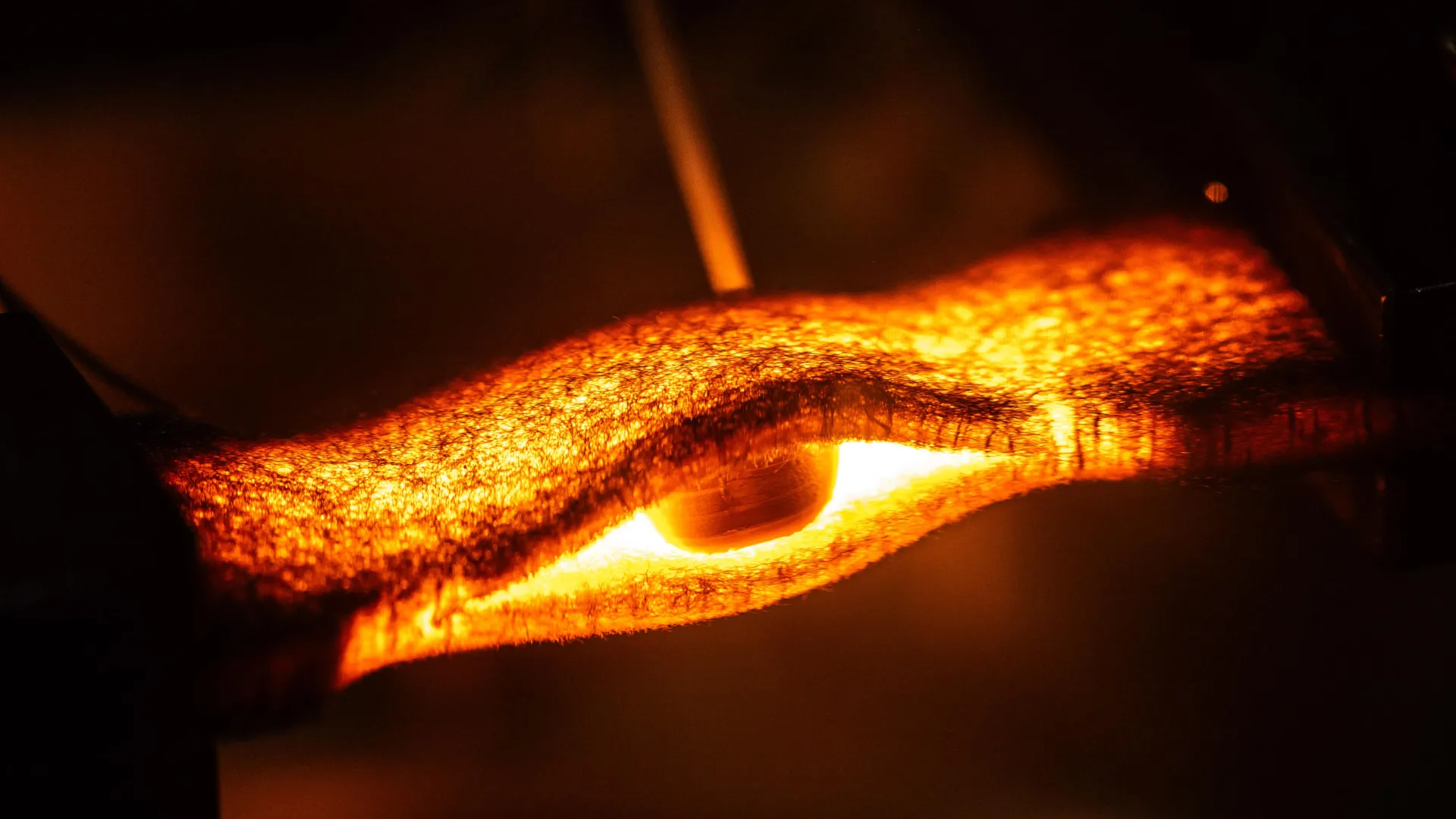
- Porous Graphite Felt: The printed restoration is enveloped by a specially designed porous graphite felt. This felt, capable of withstanding temperatures exceeding 2,550 degrees Fahrenheit, acts as a highly permeable medium, providing an immediate and unobstructed pathway for the gaseous byproducts of the debinding process to escape.
- Integrated Vacuum System: Simultaneously, a localized vacuum system actively extracts these released gases from the immediate vicinity of the restoration, preventing their accumulation and the associated pressure buildup that causes cracking.
"The synergistic combination of these engineering features is what makes our method effective," Dr. Minary elaborated. "With this technology, a dental practitioner aiming to provide a 3D-printed zirconia crown chairside could deliver it to a patient within a matter of hours, rather than days or weeks." Following debinding, the restoration proceeds to sintering—a high-temperature firing process akin to baking pottery, which fuses the zirconia particles into a dense, strong, and durable final material. While sintering also requires high temperatures, its duration is less of a bottleneck compared to the traditional debinding stage.
Transformative Implications for Dental Practices and Patients
The implications of this breakthrough are far-reaching, promising to reshape various facets of dental care delivery:
- Unparalleled Patient Convenience: For patients, the most immediate benefit is the elimination of multiple appointments and the need for temporary restorations. Receiving a permanent, high-quality zirconia crown in a single visit significantly enhances comfort, reduces inconvenience, and minimizes disruption to daily life.
- Enhanced Clinical Efficiency: Dental practices can achieve greater workflow efficiency. Reducing chair time per restoration and streamlining the fabrication process frees up valuable resources, allowing practitioners to serve more patients or dedicate more time to complex cases. The ability to control the entire process in-house also minimizes reliance on external dental laboratories, potentially reducing turnaround times and logistical complexities.
- Superior Material Performance: Unlike current same-day 3D-printed options that often use less durable ceramic resins, this technology allows for the rapid fabrication of restorations from pure zirconia, offering superior strength, longevity, and aesthetic integration. This means patients receive a more robust and enduring solution.
- Design Freedom and Precision: 3D printing inherently offers greater design flexibility compared to milling. Intricate anatomical features, complex occlusal surfaces, and highly customized contours can be precisely replicated, leading to better-fitting and more comfortable restorations that integrate seamlessly with the patient’s existing dentition. The risk of micro-cracking associated with milling is also circumvented.
- Potential Cost and Waste Reduction: By optimizing material usage through additive manufacturing and potentially reducing labor and shipping costs associated with external labs, the technology holds promise for more cost-effective dental care in the long run. Reduced material waste also contributes to a more sustainable practice.
Pathway to Commercialization and Future Horizons
Recognizing the immense potential of this research, the UT Dallas team, under Dr. Minary’s leadership, is actively pursuing the commercialization of this innovative technology. Their efforts have been significantly bolstered by a substantial $550,000 award (grant 2431684) through the National Science Foundation’s Partnerships for Innovation – Technology Translation (PFI-TT) project. The PFI-TT program specifically aims to bridge the gap between academic research and market readiness, facilitating the transition of promising discoveries into tangible products and services.
This commercialization endeavor involves a strategic collaboration with key industry partners:
- Pan-AM Dental Laboratory: A leading dental laboratory, Pan-AM will provide invaluable expertise in dental manufacturing processes, quality control, and market needs, helping to refine the technology for practical application in a commercial setting.
- 3DCeram Sinto Inc.: This Michigan-based company specializes in advanced ceramic additive manufacturing, bringing essential knowledge in materials science, equipment development, and industrial-scale production of ceramic components.
- Dr. Amirali Zandinejad: A distinguished prosthodontist in Arlington, Texas, and former associate professor at the Texas A&M University College of Dentistry, Dr. Zandinejad contributes critical clinical perspective and expertise. His involvement ensures that the developed technology meets the stringent demands of clinical practice and patient care, addressing real-world challenges faced by dental professionals.
Before widespread commercial availability, the method will undergo rigorous clinical validation and comprehensive regulatory approval processes, typically involving evaluations by bodies like the U.S. Food and Drug Administration (FDA) to ensure safety, efficacy, and consistent performance. This rigorous pathway is standard for novel medical devices and dental materials.
The research itself has benefited from a diverse range of institutional support, including funding from the U.S. Air Force Office of Scientific Research, underscoring the broad applicability and strategic importance of advanced materials processing. Key contributors from UT Dallas include Mahdi Mosadegh, a doctoral student in mechanical engineering and the first author of the research paper; Moein Khakzad (PhD’25); chemistry doctoral student Zahra Sepasi; mechanical engineering graduate student Kalyan Nandigama; and Dr. Golden Kumar, an associate professor of mechanical engineering.
This pioneering work represents a significant stride in the ongoing evolution of digital dentistry. By overcoming a critical manufacturing hurdle, UT Dallas researchers have paved the way for a future where high-strength, customized zirconia restorations can be fabricated rapidly and efficiently, setting a new standard for patient care and clinical practice in restorative dentistry. The implications extend beyond crowns, potentially revolutionizing the creation of various other permanent dental prosthetics, making advanced dental solutions more accessible and convenient than ever before.
About the Author