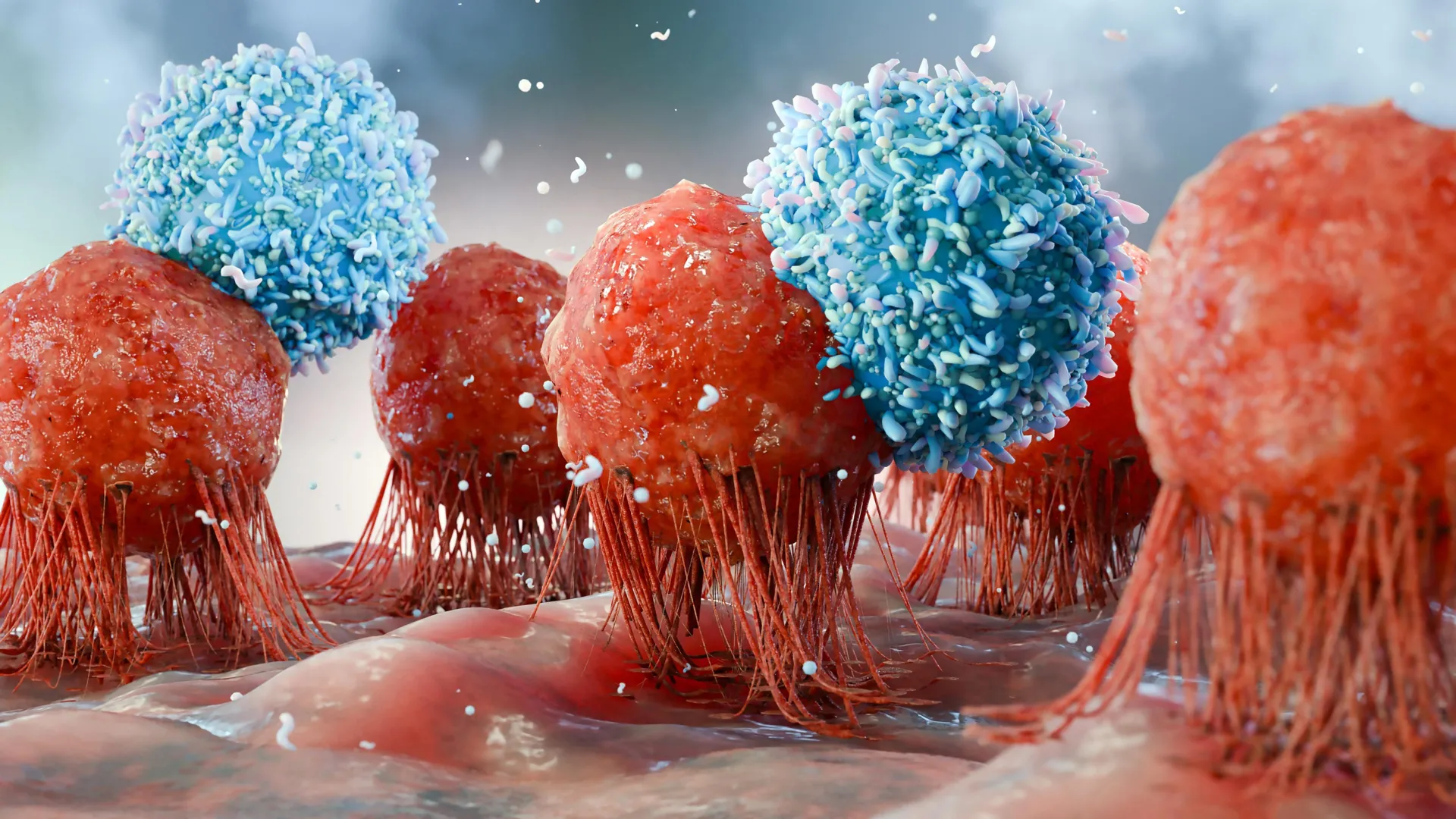
A groundbreaking investigation conducted by research teams at Trinity College Dublin and University College Dublin (UCD) has uncovered compelling evidence that a specific yeast-derived dietary supplement possesses the remarkable capacity to bolster the activity of immune cells responsible for combating cancer within preclinical models. This discovery, detailed in the esteemed scientific publication Cell Reports, suggests a novel strategy for enhancing the body’s natural defenses, particularly in the context of obesity-related immune dysfunction. The study illuminates how nutritional interventions could potentially "train" the immune system to mount more robust and sustained anti-tumor responses.
The core of this research centers on the concept of "trained immunity," a relatively recent but increasingly recognized paradigm in immunology. Unlike adaptive immunity, which relies on highly specific antigen recognition and memory cells, trained immunity refers to the ability of innate immune cells—the body’s first line of defense—to develop enhanced, long-lasting functional responses after an initial encounter with certain stimuli. This "memory" in innate cells is not antigen-specific but rather involves epigenetic and metabolic reprogramming, leading to a more potent and rapid response upon subsequent challenges. The Dublin-based researchers sought to determine if a common dietary component, yeast beta-glucan, could induce such a state of trained immunity, specifically targeting the precursor cells in the bone marrow that give rise to various immune components.
Globally, obesity represents a pervasive public health crisis, affecting hundreds of millions of individuals and carrying a substantial burden of associated morbidities. Beyond its well-known links to cardiovascular disease and type 2 diabetes, obesity profoundly impacts immune function, creating a chronic low-grade inflammatory state and disrupting the intricate balance of immune cell activity. This metabolic dysregulation can significantly impair the body’s ability to effectively detect and eliminate cancerous cells, rendering obese individuals more susceptible to tumor development and progression. Crucially, previous research has indicated that some of these immune impairments can persist even after successful weight loss, presenting a significant clinical challenge where the benefits of shedding excess pounds may not fully extend to restoring immune competency. Addressing these lingering immune memory defects is a major unmet need in oncology and metabolic health.
In their meticulously designed experiments, the research teams utilized obese laboratory mice, a critical model for understanding human metabolic conditions. The animals were maintained on either a standard diet or a high-fat diet, with a subset receiving supplemental yeast beta-glucan for a period ranging from 4 to 12 weeks. Following this dietary intervention, the mice were exposed to various types of cancer cells, including those derived from colorectal, skin, and breast cancers, allowing the scientists to assess the efficacy of the immune system’s response. A key objective was to investigate whether the yeast supplementation could not only counteract the immune deficits induced by obesity but also whether any protective effects endured even after the animals had lost weight. This latter point was particularly important for understanding the long-term impact of the intervention on persistent immune memory defects.
The findings were notably significant. The researchers observed that the inclusion of yeast beta-glucan in the animals’ diets profoundly altered the developmental trajectory of immune cells, leading to the generation of more potent cancer-fighting responses. Specifically, the study provided the first direct evidence that dietary administration of yeast beta-glucan is sufficient to trigger trained immunity by directly influencing bone marrow stem cells—the progenitors of all blood cells, including immune cells. This finding is particularly impactful because earlier studies that demonstrated similar effects on immune training typically required direct injections of immunomodulatory compounds. The ability to achieve this through a simple dietary supplement underscores its potential for practical, widespread application.
Professor Helen Roche, a leading figure in Nutrigenomics at UCD’s School of Public Health, Physiotherapy and Sports Science and Director of the UCD Conway Institute, emphasized the groundbreaking nature of these results. "This is the inaugural demonstration that the consumption of yeast beta-glucan through diet alone is adequate to elicit trained immunity by reprogramming bone marrow stem cells," she stated. "Previous investigations necessitated invasive injection methods to achieve comparable outcomes." Professor Roche further highlighted the critical clinical relevance, adding, "Crucially, this dietary intervention successfully restores anti-tumor innate immunity in obese mice and reverses long-term immune memory defects that stubbornly persist even after weight loss—a major unmet clinical challenge with profound implications for patient care." The study’s first author, Dr. Anna Ledwith, a postdoctoral researcher in Professor Roche’s group, articulated the initial investigative hypothesis, stating, "Our goal was to ascertain if a widely available dietary supplement, yeast beta-glucan, could epigenetically reprogram early-stage immune cells within the bone marrow to generate enduring, heightened anti-tumor immune responses."
Yeast beta-glucan, the specific supplement investigated, is a naturally occurring polysaccharide derived from the cell walls of baker’s yeast (Saccharomyces cerevisiae). It is already widely available as a dietary supplement and has an established record of safety, making it an attractive candidate for further research and potential clinical translation. This pre-existing commercial availability, particularly of the WellmuneTM brand of yeast beta-glucan from Kerry Group used in the study, could significantly expedite its progression into human clinical trials. The fact that it is "food-grade" eliminates many of the regulatory hurdles typically associated with novel pharmaceutical agents.
The implications of this research extend beyond individuals struggling with obesity. Cancer remains a formidable global health challenge, necessitating the continuous exploration of safe, accessible, and effective strategies to enhance existing treatments. A dietary intervention that can bolster immune function could serve as a powerful complement to conventional therapies such as chemotherapy and immunotherapy. By strengthening the body’s intrinsic cancer-fighting mechanisms, such a supplement could potentially improve treatment efficacy, reduce recurrence rates, and even enhance responses to vaccines and resistance to various infections across a broader spectrum of immunocompromised populations.
Professor Frederick Sheedy, Associate Professor in Immunology in Trinity’s School of Biochemistry and Immunology and a co-leader of the study, articulated the forward-looking vision for this research. "This investigation paves a clear pathway for dietary intervention studies involving human subjects afflicted by obesity, chronic infections, and other immune-compromised conditions," he remarked. "The specific yeast beta-glucan utilized, WellmuneTM, is already approved for food applications and is commercially accessible, thereby facilitating an accelerated transition to clinical trials." He concluded by underscoring the broader potential: "Ultimately, a straightforward dietary supplement could significantly enhance the immune system’s capacity to combat cancer, acting synergistically with current treatments like chemotherapy and immunotherapy, while also holding the promise to amplify vaccine responses and bolster resistance against various infectious agents."
While the findings from these preclinical mouse models are highly encouraging, the critical next step involves translating these observations into human clinical trials. Future research will need to rigorously assess whether the profound immune benefits observed in mice can be replicated in human subjects, particularly in individuals with obesity and cancer. The potential for a simple, safe, and widely available dietary supplement to significantly improve immune function and bolster anti-cancer defenses represents a beacon of hope in the ongoing fight against cancer and the broader challenges of metabolic health. This pioneering work underscores the powerful, yet often underestimated, connection between nutrition, immunity, and disease prevention.
About the Author