
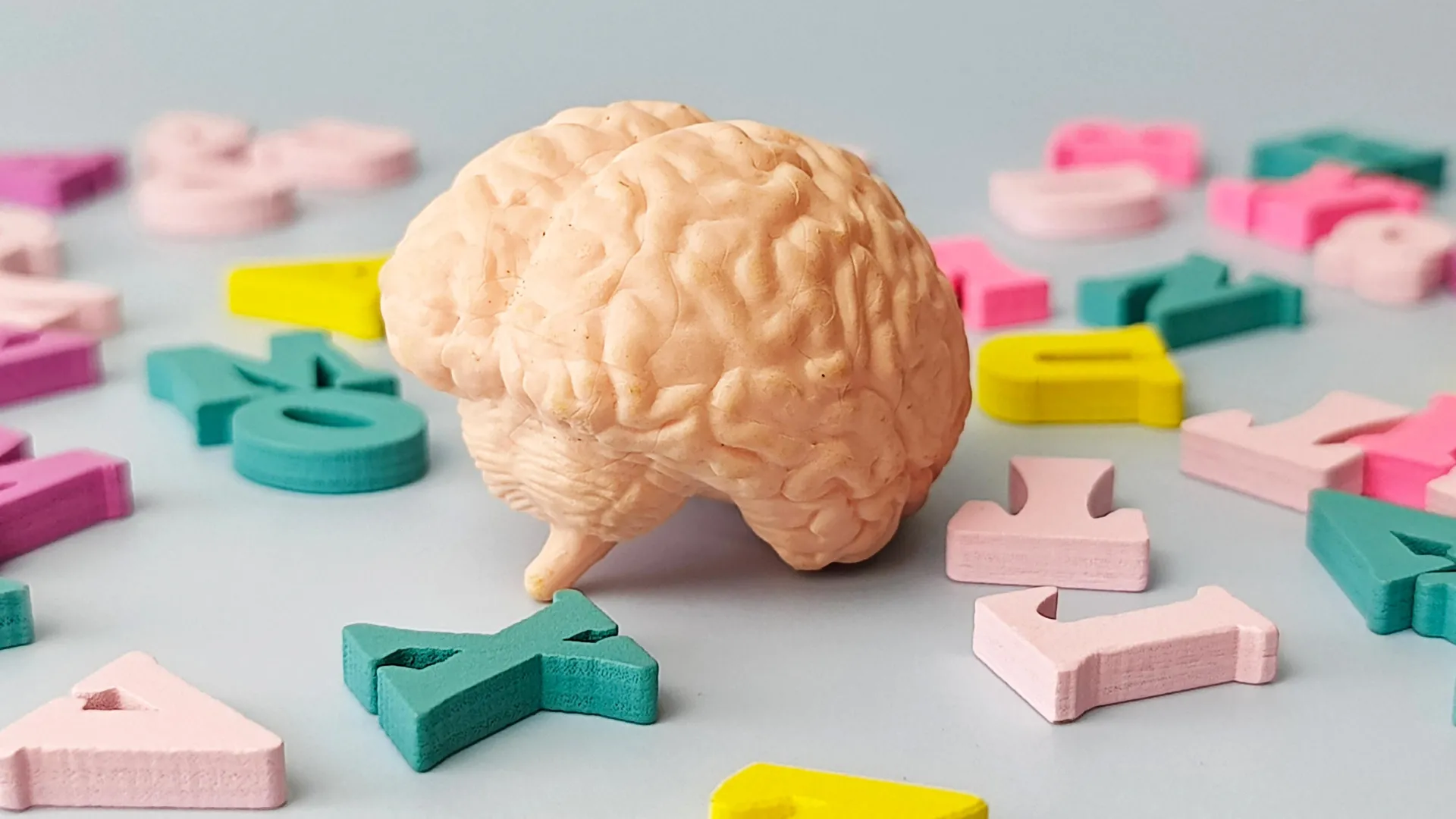
The intricate network of the human brain, composed of billions of nerve cells engaged in ceaseless communication, undergoes natural transformations with the passage of time. These age-related shifts can manifest as a gradual attenuation of neural connections, potentially leading to a discernible deceleration in cognitive processing speeds and a reduction in memory recall capabilities. However, emerging scientific inquiry presented at the Federation of European Neuroscience Societies (FENS) Forum 2026 proposes a compelling hypothesis: the extensive practice of engaging with multiple languages may serve as a potent countermeasure, effectively decelerating the biological aging processes within the brain, rendering it appear remarkably younger than its chronological age would suggest.
This groundbreaking research, spearheaded by Dr. Lucia Amoruso from the Basque Center on Cognition, Brain and Language in San Sebastián, Spain, was a collaborative endeavor involving esteemed institutions such as the Latin American Brain Health Institute at the Universidad Adolfo Ibáñez in Chile, the Cognitive Neuroscience Center at the Universidad de San Andrés in Argentina, and the Global Brain Health Institute at Trinity College Dublin in Ireland. Building upon prior investigations that indicated a potential correlation between living in multilingual societies and a slower rate of brain aging, this latest study delved deeper into the specific impact of language acquisition and usage. The research team focused their analysis on individuals residing in the Basque region of Spain, a locale rich in linguistic diversity, where participants exhibited varying levels of fluency in Spanish, Basque, French, and English, ranging from proficiency in one language to mastery of four.
To quantify the effects of multilingualism on brain aging, the researchers employed a sophisticated methodology involving magnetoencephalography (MEG). This advanced neuroimaging technique allows for the detection of the subtle magnetic fields generated by electrical activity within the brain’s neurons. By meticulously recording these magnetic signatures, scientists can glean insights into the functional connectivity and operational patterns of the brain. In the initial phase of their work, the team utilized MEG data from a cohort of 728 individuals to construct a novel analytical tool, a sophisticated ‘brain aging clock.’ This innovative clock was designed to map typical patterns of brain activity and connectivity across different age groups, thereby establishing a baseline for what constitutes a neurologically ‘age-appropriate’ brain.
The subsequent phase of the research involved applying this newly developed brain aging clock to a distinct group of 144 participants. For each individual in this second cohort, the AI-powered system analyzed their brain activity patterns to generate an estimation of their ‘brain age’ – a measure of how biologically young or old their brain appeared based on its functional connectivity. The results of this comparative analysis yielded striking and significant findings. Individuals who reported speaking two distinct languages exhibited brain structures that appeared, on average, approximately six years younger than those of their monolingual counterparts. This age-defying effect became even more pronounced with increasing linguistic complexity. Those who were proficient in three languages demonstrated brains that seemed, on average, about seven years younger than single-language speakers. The most remarkable observation was reserved for individuals who spoke four languages, whose brains appeared to be approximately 13 years younger than expected for their chronological age.
Dr. Amoruso articulated the core message of the study with clarity: "In simple terms, people who spoke more languages tended to have brains that looked younger than expected for their chronological age." She further elaborated that the observed effect was not solely contingent upon the sheer number of languages mastered. Instead, a more nuanced relationship emerged, indicating that higher levels of proficiency in each acquired language and the earlier commencement of second language learning were also significantly associated with a more delayed trajectory of brain aging. This suggests that the benefits of multilingualism are not binary but rather operate on a continuum, where the depth and duration of one’s linguistic experiences play a crucial role. The researchers took care to statistically adjust their findings for potential confounding variables such as participants’ actual age, sex, and educational attainment. Nevertheless, they acknowledged the possibility that other lifestyle factors, including diet, exercise, social engagement, and overall mental stimulation, might also contribute to the observed variations in brain aging.
The implications of this research extend beyond mere observation, opening avenues for future therapeutic and preventative strategies. Dr. Amoruso and her team are keen to explore whether similar patterns of enhanced brain resilience are evident in individuals diagnosed with neurodegenerative conditions like Alzheimer’s disease. In these debilitating conditions, understanding the mechanisms that promote brain health and counteract age-related decline is of paramount importance. Furthermore, the researchers are interested in investigating a specific linguistic phenomenon: whether the simultaneous learning and use of closely related languages might confer an even more potent protective effect. The constant need for speakers to manage and differentiate between similar linguistic structures and vocabulary when switching between related languages could potentially demand greater cognitive control and executive function, thereby offering a more intense workout for the brain.
Professor Christina Dalla, a member of the FENS Forum communication committee and an independent expert from the National and Kapodistrian University of Athens, Greece, offered her perspective on the study. While not directly involved in the research, she underscored the broader context of brain health. "We know that many factors can influence our brain health and mental abilities as we age," Professor Dalla stated. "For example, we know that not smoking, eating well, social and artistic engagement, as well as being active, can help. How we use our brains throughout life can also have an impact, especially if we engage in effortful learning that activates our brain." She concluded by emphasizing the practical takeaways of the new findings: "This study suggests that learning a second, third or fourth language could help our brains to stay younger for longer, and the earlier we start, the better. There are many good reasons for learning another language at any age — social, cultural and for the health of your brain — so we should support language learning at school and throughout life, even if it’s hard." The research was supported by significant funding from institutions including the National Institutes of Health (NIH), the National Institute on Aging (NIA), the Fogarty International Center, and the Multi-partner Consortium to Expand Dementia Research in Latin America (ReDLat). Additional contributions came from the Alzheimer’s Association, the Global Brain Health Institute, the Davos Alzheimer’s Collaborative, Alzheimer’s Society UK, FONDECYT, and the Ramón y Cajal fellowship through the Spanish State Research Agency, highlighting the broad scientific and societal interest in understanding and promoting brain longevity.
About the Author












