As individuals navigate the later stages of life, maintaining robust physical function becomes paramount for preserving independence and enhancing overall well-being. A critical, yet often overlooked, aspect of this physical resilience lies in the strength and mobility of the hip complex. The hips serve as the central powerhouses of the lower body, orchestrating movements essential for daily activities, from the simple act of rising from a chair to the dynamic motion of walking or ascending stairs. However, the natural aging process, compounded by increasingly sedentary lifestyles, frequently leads to a gradual diminution of hip muscle mass and an increase in joint stiffness. This physiological decline, often referred to as sarcopenia, can significantly impede mobility, elevate the risk of falls, and diminish an individual’s capacity to engage fully with life’s demands.
Contrary to a prevalent misconception that sophisticated gymnasium equipment or demanding regimens are prerequisites for rebuilding strength in the hip region, highly effective and accessible solutions can be implemented within the comfort and safety of one’s own home. In fact, targeted chair-based exercises often yield superior functional outcomes for older adults compared to isolated machine-based training, primarily due to their emphasis on controlled, multi-directional movements that directly translate to real-world tasks. The seated position inherently mitigates balance challenges, allowing for a concentrated focus on muscle activation and proper form, which is particularly beneficial for those rebuilding foundational strength or managing pre-existing mobility limitations.
The human hip joint is a remarkable ball-and-socket structure, designed for an extensive range of motion across multiple planes. This intricate design necessitates a comprehensive approach to strengthening, engaging not just one or two muscle groups but rather the entire musculature surrounding the joint. These include the powerful gluteal muscles responsible for hip extension and external rotation, the hip flexors enabling leg lifts, and the abductors and adductors crucial for lateral stability and leg movement. A weakness in any of these components can compromise the integrated function of the hip, leading to gait instability, compensatory movements, and increased strain on other joints like the knees and spine. For example, diminished hip abductor strength can manifest as a noticeable sway in the pelvis during walking, known as a Trendelenburg gait, significantly increasing the propensity for stumbles and falls.
The modern paradigm of prolonged sitting – whether at a desk, in transit, or during leisure activities – exacerbates the age-related decline in hip function. Extended periods of inactivity contribute to both muscle atrophy and a tightening of the hip flexors, creating an imbalance that further impairs mobility. Addressing this requires not merely strengthening, but also promoting flexibility and functional control throughout the hip’s full range of motion. The following five chair-supported movements are meticulously designed to target these diverse aspects of hip health, offering a holistic pathway to enhanced strength, stability, and functional independence without the need for specialized gym apparatus.
1. Seated Hip Flexion Lifts
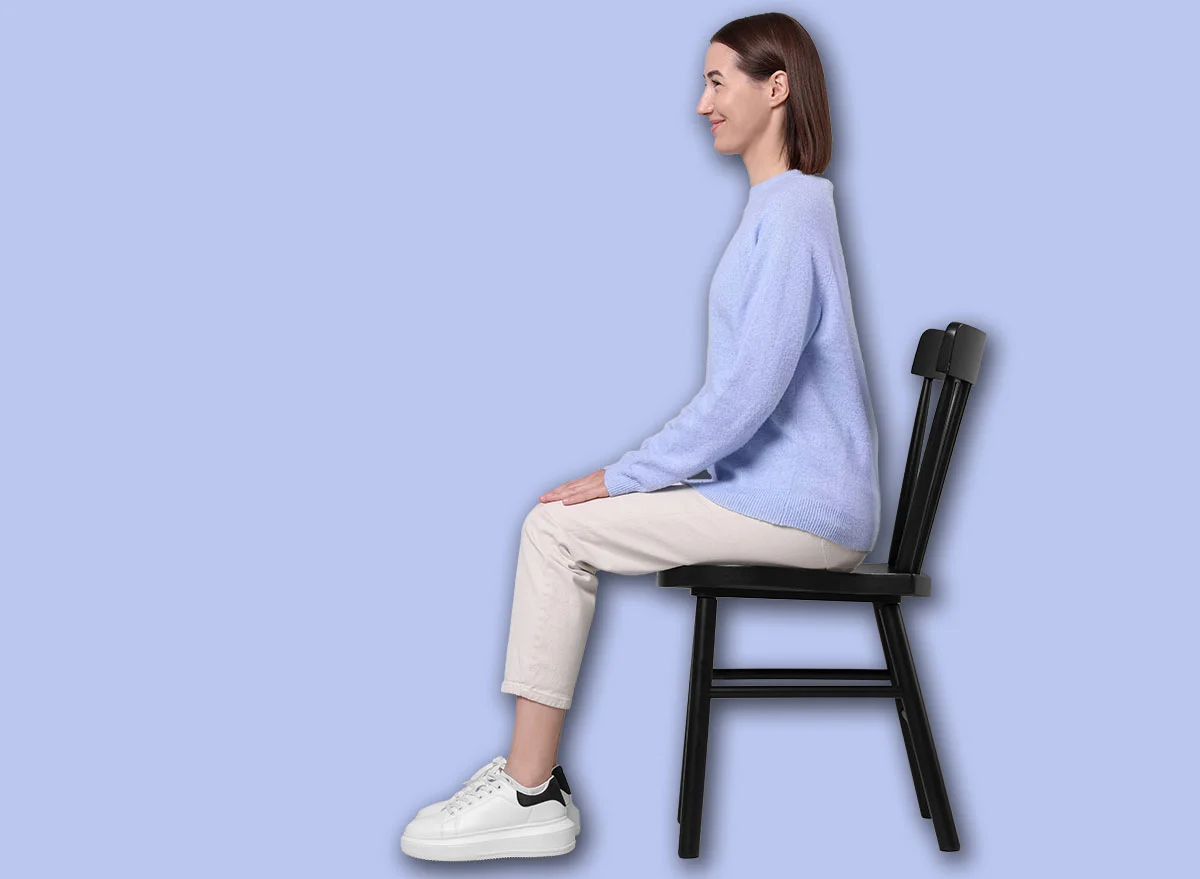
This foundational exercise is specifically engineered to fortify the hip flexor musculature, a group of muscles located at the front of the hip crucial for elevating the leg during ambulation. The ability to lift the knee effectively is indispensable for navigating uneven terrain, climbing stairs, and simply preventing the foot from dragging while walking. By performing this movement while seated, individuals can isolate the action of the hip flexors, focusing entirely on the contractile effort without the additional complexity of maintaining standing balance. To execute this, sit upright in a sturdy chair with feet flat on the floor. Engage your core gently, then deliberately lift one knee towards your chest, ensuring the movement originates from the hip rather than relying on upper body momentum. Hold briefly at the peak of the contraction before slowly lowering the foot back to the starting position. The emphasis should always be on controlled, precise repetitions, rather than speed or height, allowing for deep muscle engagement. This controlled environment fosters a safer learning experience for the movement pattern before progressing to more dynamic exercises.
2. Supported Lateral Leg Opens
Targeting the hip abductors, primarily the gluteus medius and minimus, this exercise is vital for stabilizing the pelvis, particularly during single-leg stance activities such as walking. Weak abductors can lead to a compensatory shifting of body weight, increasing instability and the likelihood of losing balance. In a seated position, place your feet flat on the floor, hip-width apart. Keeping your torso stable and upright, slowly and deliberately open one knee outwards, moving the leg away from the midline of your body. The key to maximizing the benefit here is the controlled return phase: resist the urge to let the leg snap back quickly. Instead, count slowly to five as you guide the leg back to its initial position, actively engaging the abductor muscles throughout the entire range of motion. For an enhanced challenge, slightly rotate the knee inward at the start of the outward movement to pre-activate these muscles. This methodical approach ensures that the muscles are working against gravity in both directions, promoting comprehensive strength development.
3. Resisted Seated Leg Marches
Building upon the fundamental hip flexion lift, this exercise introduces an element of resistance, significantly intensifying the challenge for both the hip flexors and the core stabilizers. By looping a light to medium resistance band around your thighs, just above the knees, each leg is compelled to exert greater force against the opposing tension. This not only augments the strength gains but also refines dynamic pelvic stability—a critical component for fluid and confident walking. As one leg lifts against the band’s resistance, the core and the stabilizing muscles of the opposite hip must actively work to prevent the pelvis from tilting or rotating. This mirrors the complex interplay of muscles required during natural gait, where the pelvis remains level while one leg swings forward. Begin with a resistance level that allows for perfect posture throughout each repetition, gradually increasing the band’s tension as strength improves. The goal is consistent, controlled movement, ensuring the benefits translate directly into enhanced walking efficiency and reduced fall risk.
4. Chair-Assisted Glute Extensions
The gluteal muscles, particularly the gluteus maximus, are among the most powerful in the human body, serving as primary movers for hip extension—the action of pushing the leg backward. This force is indispensable for propelling the body forward during walking, climbing stairs, and the fundamental act of rising from a seated position. The chair-assisted glute extension provides an excellent means to isolate and strengthen these muscles without the added demand of balancing independently. Position yourself at the front edge of a sturdy chair, holding onto the sides for support if needed. Keeping your torso upright and avoiding any arching of the lower back, slowly extend one leg straight behind you, feeling the contraction primarily in your gluteal muscles. The movement should originate from the hip, not the spine. This exercise is particularly valuable for individuals who are at the initial stages of rebuilding strength, as it allows for focused muscle activation in a safe, controlled manner, laying the groundwork for progression to more demanding standing exercises.
5. Functional Chair Transitions (Sit-to-Stands)
Perhaps the most functionally relevant exercise in this series, the chair sit-to-stand directly addresses one of the most frequent and critical movements performed throughout the day. This compound movement synergistically engages the glutes, quadriceps, and core musculature, requiring a coordinated effort to transition the body from a sitting to a standing posture. The ability to perform this action with ease and confidence is a cornerstone of independent living. To execute, sit towards the front edge of a chair with your feet flat on the floor, slightly wider than hip-width. Lean forward slightly from the hips, then powerfully press through your heels, engaging your glutes and thigh muscles to push your body upwards into a full standing position. As you stand, actively squeeze your gluteal muscles at the top to maximize activation. Control the descent back to the chair, allowing your hips to lead the movement. As strength progresses, consider reducing the use of your hands for support or using a lower chair to increase the challenge. This exercise not only builds strength but also refines the motor pattern for a fundamental daily activity, directly contributing to enhanced mobility, balance, and a reduced fear of falling.
Incorporating these targeted, chair-based exercises into a regular routine can profoundly impact the physical capabilities and overall quality of life for older adults. Beyond the tangible benefits of improved strength, balance, and reduced fall risk, there is a significant psychological uplift associated with maintaining physical autonomy. The confidence gained from performing daily tasks with greater ease and stability fosters a sense of self-efficacy and encourages continued engagement in social and recreational activities. This proactive approach to hip health is not merely about physical fitness; it is about preserving an active, independent, and fulfilling lifestyle for years to come. Consistency is key, and individuals are encouraged to consult with a healthcare professional or certified fitness expert before embarking on any new exercise program, particularly if they have underlying health conditions. By embracing these accessible, effective strategies, older adults can cultivate robust hip health and confidently navigate the journey of active aging.
About the Author