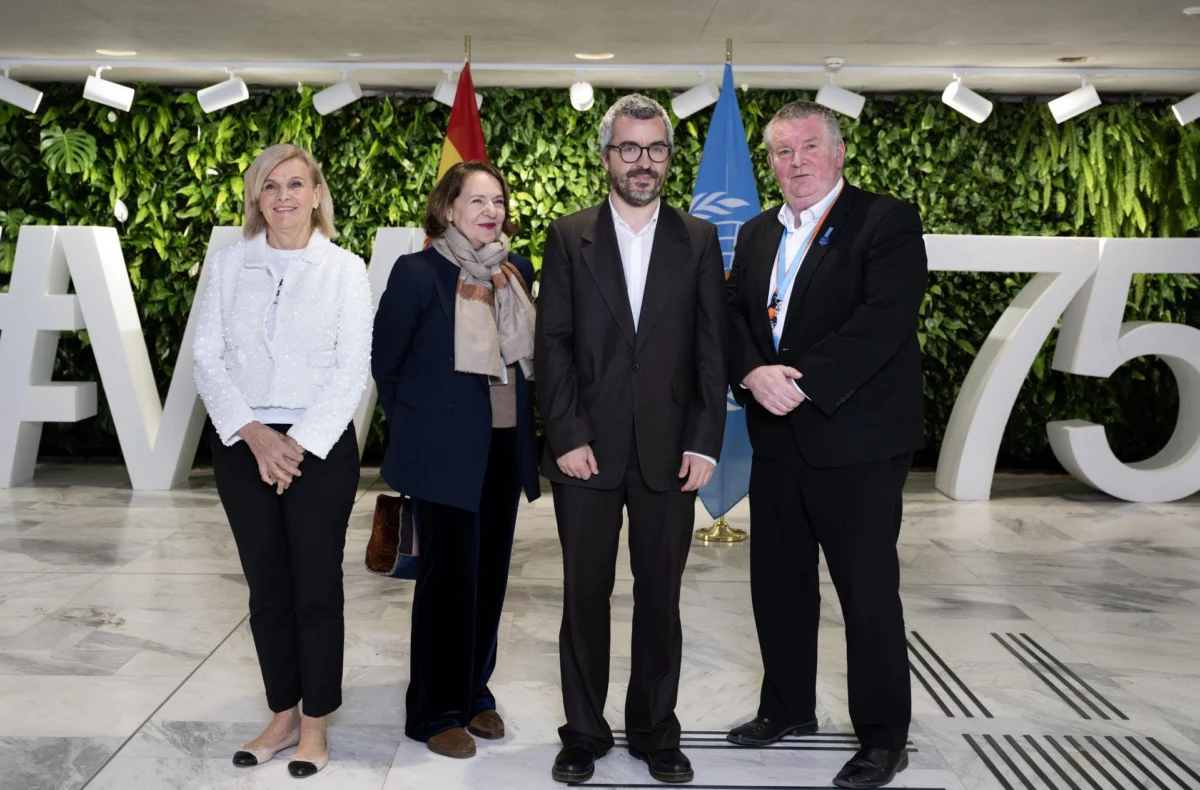
A high-level Spanish delegation recently concluded a pivotal two-day visit to the World Health Organization (WHO) headquarters in Geneva, underscoring Spain’s unwavering commitment to advancing global health priorities. From April 23 to 24, 2024, Mr. Javier Padilla Bernáldez, Spain’s Secretary of State for Health, led comprehensive discussions with senior WHO officials, aiming to deepen collaborative efforts across a spectrum of critical public health challenges. The dialogues focused on strategic alignments and operational plans designed to bolster health systems worldwide, enhance emergency preparedness, and address persistent health inequities.
Central to the agenda was the reinforcement of universal health coverage (UHC) and the strengthening of national health infrastructures, themes that resonate deeply with Spain’s own robust public healthcare model. Universal health coverage, a cornerstone of the WHO’s mandate, posits that all individuals and communities should receive the health services they need without suffering financial hardship. This encompasses the full range of essential health services, from health promotion to prevention, treatment, rehabilitation, and palliative care. Discussions explored innovative approaches to expand equitable access, improve service quality, and ensure the financial sustainability of health systems, drawing upon Spain’s experience in maintaining a publicly funded, comprehensive healthcare system. The Spanish delegation emphasized that a strong primary healthcare foundation is indispensable for achieving UHC, serving as the first point of contact and providing holistic care close to communities.
Another paramount focus was global health security, particularly in the context of pandemic response and the crucial role of emergency medical teams (EMTs). The recent global health crisis vividly highlighted the imperative for robust preparedness mechanisms, rapid deployment capabilities, and coordinated international action. Spain reiterated its dedication to bolstering collective defenses against future outbreaks, sharing insights from its national emergency response frameworks and its contributions to international humanitarian aid. The conversations explored strategies for enhancing surveillance, accelerating vaccine and therapeutic development, and ensuring equitable distribution of essential medical supplies during crises. Spain’s active participation in supporting and deploying EMTs further illustrates its commitment to providing frontline medical assistance in emergency situations, reinforcing the WHO’s global health emergency program.
Spain’s internationally recognized leadership in organ and tissue transplantation also featured prominently in the high-level exchanges. As a global frontrunner in this specialized medical field, Spain actively contributes to the WHO’s Transplantation Program, which strives to enhance the availability, ethical access, and rigorous oversight of human cells, tissues, and organs for therapeutic purposes. The Spanish Ministry of Health shares its unparalleled expertise in developing sustainable, self-sufficient transplant systems, which is invaluable for countries seeking to establish or improve their own programs. Discussions delved into complex ethical frameworks, regulatory best practices, and innovative strategies to combat organ trafficking, ensuring that transplantation remains a life-saving procedure conducted with the highest standards of safety and integrity.
The fight against neglected tropical diseases (NTDs) and malaria formed another significant pillar of the bilateral talks. These diseases disproportionately affect the world’s most vulnerable populations, perpetuating cycles of poverty and ill-health. The WHO and its partners are committed to eradicating or controlling these preventable and treatable conditions. Spain has consistently supported WHO initiatives aimed at research, development, and deployment of effective interventions, including diagnostics, drugs, and vector control measures. The delegation discussed current challenges in achieving elimination targets and explored avenues for sustained funding and technical assistance to accelerate progress in regions hardest hit by these diseases.
Furthermore, Spain reaffirmed its steadfast championship of the Global Polio Eradication Initiative (GPEI). Despite remarkable progress, the world remains on the cusp of eradicating polio, with efforts concentrated on the last remaining endemic pockets. Spain’s sustained political and financial backing is crucial for maintaining immunization campaigns, strengthening surveillance systems, and responding to outbreaks to ensure that the virus is permanently eliminated. The discussions underscored the importance of continued vigilance and collaboration to secure a polio-free future for all children.
Beyond these specific disease-focused initiatives, the comprehensive agenda extended to a broader spectrum of public health determinants and interventions. The Spanish delegation and WHO officials addressed the critical impact of social determinants of health, recognizing that factors such as socioeconomic status, education, housing, and environmental conditions profoundly influence health outcomes. Strategies for fostering healthier populations included discussions on robust tobacco and alcohol control policies, vital for preventing non-communicable diseases (NCDs) and promoting well-being. The WHO’s MPOWER framework for tobacco control, for instance, provides a proven set of interventions that Spain actively supports and implements.
Equitable access to essential medicines and health products was another key area of deliberation. Global disparities in access, affordability, and supply chain resilience pose significant challenges, particularly for low-income countries. The discussions explored mechanisms to promote innovation, facilitate generic drug production, and strengthen regulatory systems to ensure that life-saving treatments are available and affordable to those who need them most. The importance of nutrition and food safety was also highlighted, encompassing efforts to combat malnutrition in all its forms—under-nutrition, micronutrient deficiencies, and overweight/obesity—and to safeguard public health from foodborne illnesses through robust regulatory frameworks and public awareness campaigns.
The crucial role of a competent and equitably distributed health workforce was also a central theme. The global shortage of healthcare professionals, coupled with their uneven distribution, presents a formidable barrier to achieving universal health coverage. Discussions focused on strategies for training, retention, ethical recruitment, and supporting the mental health and well-being of health workers, recognizing them as the backbone of any resilient health system. Moreover, the evolving nexus between health and climate change was explicitly acknowledged, with Spain highlighting its internal focus on this critical area, as evidenced by the presence of an advisor responsible for health and climate change within the Minister of Health’s Cabinet. This underscores a proactive stance on addressing the profound health impacts of environmental degradation and climate shifts.
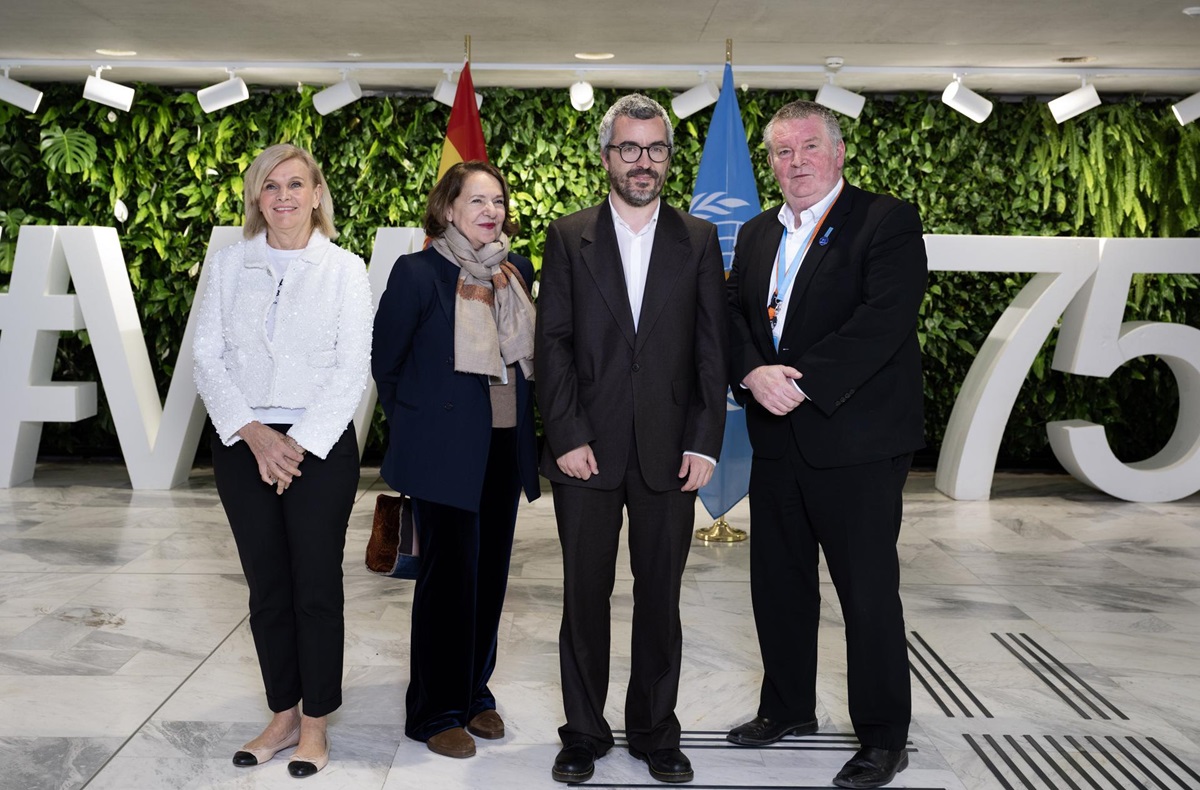
The Spanish delegation comprised a diverse group of high-ranking officials, reflecting the comprehensive nature of the discussions. Alongside Secretary Padilla, attendees included Ms. Paola Cannata Molero, Director of the Cabinet of the Secretary of State for Health; Mr. Jacobo Fernández Álvarez, Technical Secretary General; Mr. Héctor Tejero Franco, Advisor in the Cabinet of the Minister of Health and Responsible for Health and Climate Change; and Mr. Roberto Carro Vázquez, Senior Technician of the Office of the Secretary of State for Health. Diplomatic representation from Spain’s Permanent Mission to the United Nations Office and Other International Organizations in Geneva further reinforced the mission’s significance, including H.E. Ambassador Ms. A. Díaz-Rato Revuelta, H.E. Ambassador Ms. Clara Cabrera Brasero, and Counsellor Ms. María del Carmen Martínez de la Peña.
These Spanish officials engaged with a host of top-tier WHO leadership. Key WHO counterparts included Dr. Ailan Li, Assistant Director-General (ADG) for Universal Health Coverage, Healthier Populations; Dr. Catharina Boehme, ADG for External Relations and Governance; Dr. Yukiko Nakatani, ADG for Access to Medicines and Health Products and ADG for Antimicrobial Resistance ad interim; and Dr. Michael Ryan, Deputy Director-General and Executive Director of the WHO Health Emergencies Programme. Dr. Maria Neira, Director of Environment, Climate Change and Health, also participated in significant discussions, further emphasizing the interdisciplinary nature of modern public health challenges.
WHO leadership conveyed profound gratitude for Spain’s enduring financial and technical contributions over many years. Spain’s support has been instrumental in numerous initiatives, particularly during the last biennium, facilitating improved access to quality essential health services and medicines across various regions. Its contributions have significantly bolstered efforts to address climate change impacts on health, foster healthier environments, and strengthen country capacities in data collection and innovation. The nation’s consistent funding and expertise have also been crucial in reinforcing countries’ preparedness, readiness, prevention, and response capabilities for health emergencies, epidemics, and pandemics. Notably, Spain’s contributions to the WHO Health Emergency Appeal have played a vital role in safeguarding public health in humanitarian emergencies, thereby helping to disrupt cycles of poverty and vulnerability.
This recent visit solidifies Spain’s role as a vital partner in the global pursuit of health for all. The comprehensive discussions and renewed commitments underscore a shared vision between Spain and the WHO: a world where everyone, everywhere, can attain the highest possible standard of health. The strategic alignment forged during these high-level dialogues promises to translate into tangible progress, strengthening global health architecture and fostering greater resilience against the multifaceted health challenges of the 21st century.
About the Author