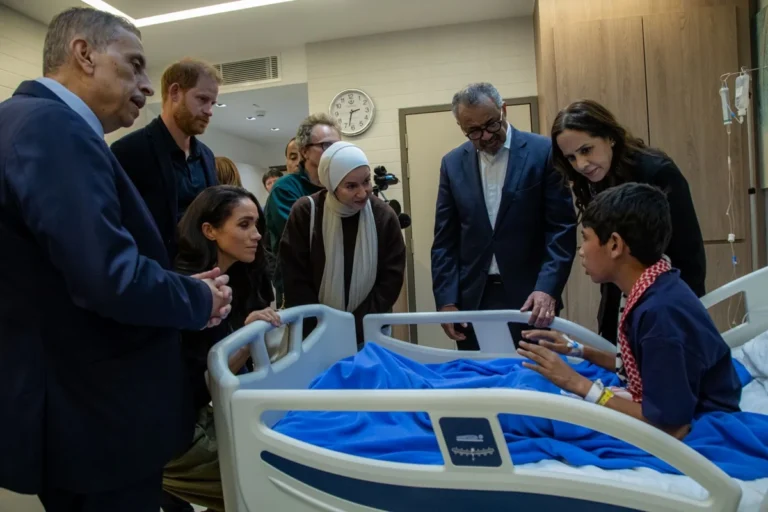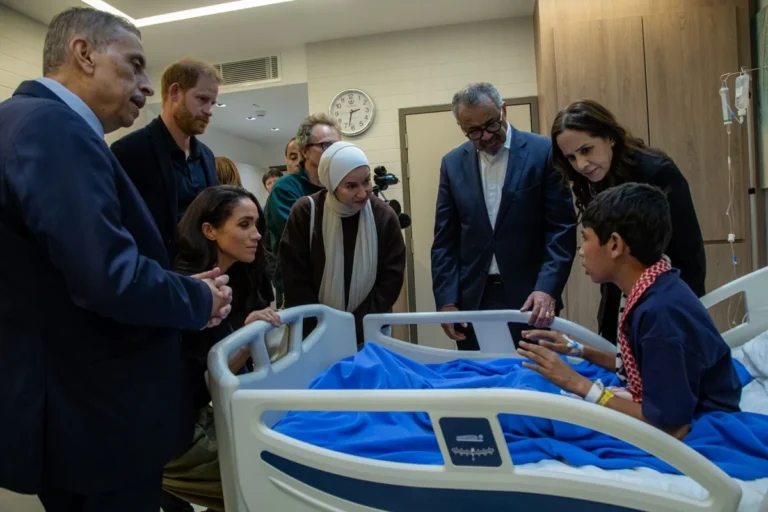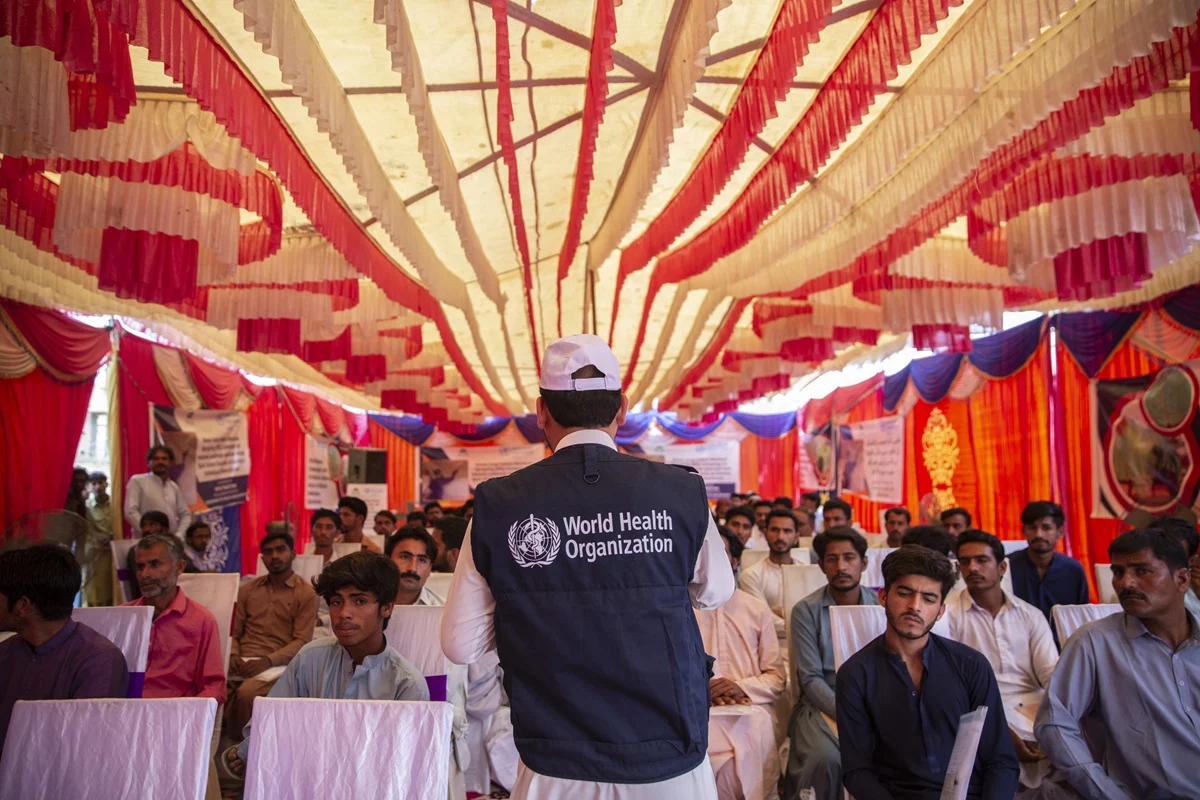
In a pivotal demonstration of international solidarity and commitment to global public health, the Qatar Fund for Development (QFFD) and the World Health Organization (WHO) have formalized a significant core contribution agreement. This substantial pact, valued at US$4 million from the State of Qatar, is specifically designated to bolster the execution of WHO’s extended Thirteenth General Programme of Work (GPW13), a critical strategic roadmap guiding the organization’s efforts worldwide. The signing, strategically conducted in advance of the Seventy-seventh World Health Assembly, signals a robust partnership aimed at addressing multifaceted health challenges and fostering a more resilient global health landscape. This contribution is particularly impactful due to its flexible nature, granting WHO the essential agility to direct resources where they are most urgently needed, thereby enhancing its capacity to respond to evolving crises and sustained health needs across the globe.
The State of Qatar, through its primary foreign aid institution, the Qatar Fund for Development, has long established itself as a proactive contributor to humanitarian assistance and sustainable development initiatives internationally. QFFD’s mandate extends beyond financial contributions, encompassing a vision to empower communities, alleviate suffering, and promote human dignity through strategic partnerships and targeted interventions. This collaboration with WHO underscores Qatar’s unwavering dedication to universal health equity, a core principle embedded within its foreign policy and humanitarian philosophy. Mr. Sultan Ahmed Al-Aseeri, the Acting Director-General of QFFD, articulated this commitment, stating that their partnership with the World Health Organization is a clear reflection of their resolve to ensure no individual is left behind in the global pursuit of health justice. He emphasized that by channeling support to WHO, Qatar aims to strengthen local communities, improve access to vital healthcare services, and actively contribute to cultivating a healthier future for all inhabitants of the planet.
The World Health Organization, as the United Nations’ specialized agency for health, stands at the forefront of coordinating international health responses, setting global health standards, and providing technical assistance to member states. Its General Programme of Work (GPW) serves as the overarching strategic framework, outlining the organization’s priorities and objectives for a specific period. The Thirteenth General Programme of Work, initially adopted for 2019-2023, was subsequently extended to 2025 in recognition of the profound and enduring impacts of the COVID-19 pandemic and the rapidly evolving global health landscape. This extension was crucial to allow WHO to maintain strategic continuity, consolidate gains, and adapt its operations to emergent threats such as climate change-related health issues, persistent infectious disease outbreaks, and the growing burden of non-communicable diseases. The GPW13’s comprehensive scope aims to achieve specific measurable impacts, often referred to as "triple billion" targets, focusing on ensuring more people benefit from universal health coverage, are better protected from health emergencies, and enjoy better health and well-being.
A cornerstone of this particular agreement is the provision of "flexible funds." In the complex architecture of international development and humanitarian financing, the distinction between earmarked and unearmarked contributions is paramount. Earmarked funds are restricted to specific projects, regions, or diseases, which can sometimes limit an organization’s ability to respond quickly to unforeseen challenges or allocate resources based on dynamic needs assessments. Flexible funds, by contrast, are unrestricted or broadly allocated, allowing WHO to deploy resources with greater strategic discretion and operational agility. This unearmarked support is invaluable for the organization’s core operations, enabling it to invest in essential infrastructure, maintain critical staff, and pivot swiftly to address new health emergencies as they arise. Dr. Tedros Adhanom Ghebreyesus, the Director-General of WHO, highlighted the indispensable nature of such flexible contributions for the organization’s life-saving work. He expressed profound gratitude to enduring partners like the Qatar Fund for Development, acknowledging that their support empowers WHO to rapidly address global health requirements as they emerge, providing the vital flexibility necessary to fulfill its expansive mission and mandate.
The extended Thirteenth General Programme of Work adopts a holistic perspective on global health, strategically addressing a broad spectrum of health challenges. Its core pillars include combating communicable diseases, which continue to pose significant threats, from endemic neglected tropical diseases to emerging pandemics, and tackling non-communicable diseases (NCDs) such as cardiovascular diseases, cancers, diabetes, and chronic respiratory diseases, which are now responsible for a staggering proportion of global mortality. Furthermore, GPW13 places a strong emphasis on strengthening health systems, recognizing that robust primary healthcare, resilient supply chains, and a well-trained health workforce are fundamental to achieving universal health coverage and effectively responding to health crises. Promoting health across the life course, from maternal and child health to healthy aging, forms another crucial dimension, aiming to improve well-being at every stage of life. A particularly significant aspect of this collaboration, aligning seamlessly with Qatar’s humanitarian mission, is its sharpened focus on supporting countries navigating crisis and post-crisis contexts. These are often the most vulnerable nations, grappling with devastated infrastructure, mass displacement, and overwhelmed health services due to conflicts, natural disasters, or complex emergencies. The flexible funding provided by QFFD will be instrumental in delivering critical aid to these regions, facilitating the restoration of essential health services, providing emergency medical supplies, and supporting long-term recovery efforts.
The timing of this agreement, preceding the Seventy-seventh World Health Assembly, adds another layer of significance. The World Health Assembly is the highest decision-making body of WHO, where global health leaders, policymakers, and experts convene annually to review the organization’s work, set new policies, approve the budget, and discuss the most pressing global health issues. Announcing such a strategic partnership ahead of this pivotal event underscores the importance of sustained, collaborative action in driving the global health agenda forward. In an era marked by unprecedented global interconnectedness and a proliferation of complex health threats, the partnership between QFFD and WHO emerges as a powerful emblem of effective international cooperation. It exemplifies a model where financial contributions are strategically aligned with overarching global health objectives, fostering a collective approach to building a healthier, more equitable, and more resilient world. This accord represents not just a financial transaction, but a shared vision and a concrete step towards achieving the ambitious targets laid out in the Sustainable Development Goals, particularly Goal 3: Good Health and Well-being. The enduring commitment demonstrated by both entities serves as a compelling reminder that global health challenges necessitate global solutions, forged through collaborative spirit and strategic investment.
About the Author