A significant confluence of political will and financial commitment recently materialized, with fourteen African nations and a diverse array of global partners collectively pledging over US$45 million towards the World Health Organization’s inaugural Investment Round. This landmark initiative aims to establish a more robust and predictable financial bedrock for the international health body, signaling a pivotal moment in the ongoing efforts to secure sustainable resources for global health priorities. The pledges, unveiled during the World Health Organization (WHO) Regional Committee for Africa, underscored a continent-wide consensus on the critical importance of a well-resourced and agile WHO in navigating an increasingly complex global health landscape.
For decades, the World Health Organization, the preeminent authority on global health, has operated under a funding model often characterized by precariousness. While its mandate is expansive—encompassing disease surveillance, setting international health standards, providing technical assistance to member states, and coordinating responses to health emergencies—its operational capacity has frequently been constrained by the nature of its funding. Traditionally, the WHO relies on a combination of assessed contributions (mandatory payments from member states based on their wealth and population) and voluntary contributions (funds provided by member states and other donors, often earmarked for specific projects or regions). The latter, while substantial, often lacks the flexibility and predictability necessary for strategic long-term planning and rapid emergency response, creating a scenario where the organization’s priorities are sometimes dictated by donor interests rather than global health needs.
Recognizing these systemic challenges, the WHO leadership embarked on a transformative journey to reform its financing architecture. The culmination of these efforts is the Investment Round, officially launched at the World Health Assembly in May 2024. This innovative financing mechanism is designed to address the fundamental issues of flexibility, predictability, and resilience in WHO’s funding. Flexibility ensures that resources can be strategically deployed where they are most needed, aligning with the organization’s overarching four-year budget cycle and the strategic directives approved by its 194 member states. Predictability guarantees that funds are available at the outset of this cycle, enabling proactive planning rather than reactive resource allocation. Finally, resilience is achieved through a concerted effort to diversify the donor base, reducing over-reliance on a few large contributors and fostering a broader sense of shared responsibility.
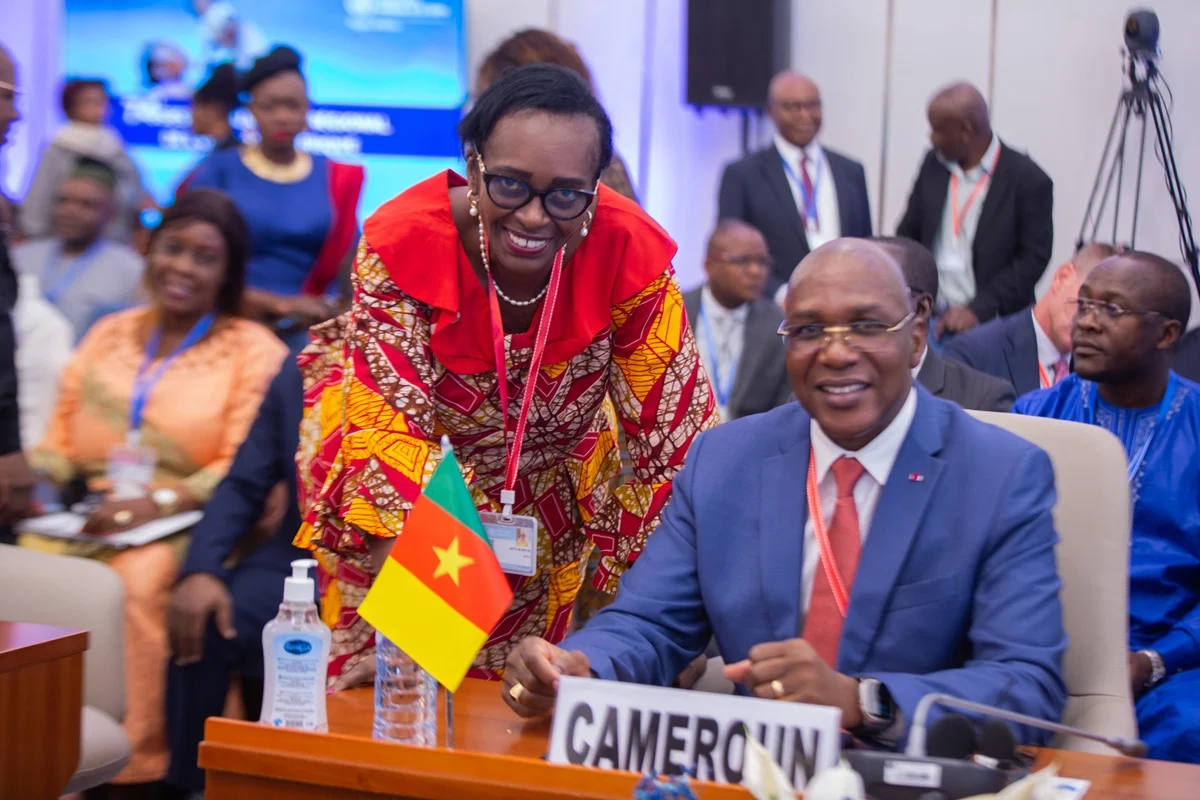
The recent gathering of the WHO Regional Committee for Africa served as a powerful platform for these commitments. Heads of state and government, alongside high-level representatives from across the continent, converged to discuss pressing regional health challenges and to articulate their collective vision for strengthening health systems. The decision by these African leaders to make significant financial commitments during such a forum sends a potent message of ownership and solidarity. It reflects a growing recognition within the continent that investing in global health is not merely an act of charity but a strategic imperative for national development, economic stability, and regional security. This collective action highlights a proactive stance by African nations to bolster the very institutions designed to serve their populations’ health needs, demonstrating a tangible commitment to self-reliance and regional leadership in global health governance.
Dr. Tedros Adhanom Ghebreyesus, the Director-General of the WHO, expressed profound gratitude for the continent’s forward-thinking support. "The active participation of our African Region Member States in WHO’s inaugural Investment Round to secure predictable and flexible resources for our core work over the next four years is truly commendable," he stated. He further emphasized the transformative potential of such sustained funding, asserting that "Full, sustainable funding will empower WHO to provide enhanced support to countries in their vital efforts to cultivate healthier, more resilient, and ultimately more prosperous populations." His remarks underscore the direct link between financial stability at the organizational level and tangible improvements in public health outcomes at the country level.
The fourteen African countries that have stepped forward with pledges include Botswana, Cabo Verde, Chad, Congo, Ethiopia, Gambia, Mauritius, Namibia, Niger, Rwanda, Senegal, Seychelles, South Africa, and the United Republic of Tanzania. Their collective contribution, while representing a portion of the overall target, is symbolically profound. It signifies a collective African voice championing the cause of a robust multilateral health system. This commitment from member states is complemented by pledges from a diverse consortium of global partners, broadening the financial base and illustrating the widespread recognition of WHO’s indispensable role. Among these crucial partners are the Helmsley Charitable Trust, the World Diabetes Foundation, Roche, the Kuwait Fund for Arab Economic Development, the Bill & Melinda Gates Foundation, the African Development Bank, and the WHO Foundation. The involvement of such varied entities—from philanthropic organizations and private sector companies to development banks—underscores the multi-stakeholder approach central to the Investment Round’s philosophy.
Dr. Matshidiso Moeti, WHO Regional Director for Africa, echoed the sentiment of appreciation and urgency. "A strong, predictable, and sustainably financed WHO is absolutely essential for our region and indeed for the entire world to effectively confront the myriad health threats we currently face," she remarked. Dr. Moeti highlighted the organization’s capacity to support disease prevention strategies grounded in robust scientific evidence. She further stressed the cumulative impact of these contributions: "Every single pledge and every new partnership holds immense value. Working together, we can genuinely forge a future where comprehensive health and well-being are within reach for everyone." Her emphasis on collective action and the accessibility of health for all encapsulates the aspirational goals driving this renewed push for financial stability.
The implications of securing such flexible and predictable funding extend far beyond merely balancing the WHO’s books. A financially stable WHO is better equipped to implement its global health strategies, which are critical for achieving the Sustainable Development Goals (SDGs), particularly SDG 3, focused on good health and well-being. This includes bolstering efforts to achieve universal health coverage, strengthening primary healthcare systems, accelerating the fight against infectious diseases like HIV, tuberculosis, and malaria, and addressing the rising burden of non-communicable diseases. Furthermore, in an era marked by increasing threats from emerging pandemics, climate change-related health crises, and humanitarian emergencies, an agile and well-funded WHO is paramount for effective preparedness, rapid response, and equitable access to life-saving interventions. The Investment Round’s design, aiming for contributions aligned with the WHO’s member-state approved strategy, ensures that these funds will directly support the organization’s core functions and strategic objectives, rather than being diverted by specific donor interests.
The journey of the WHO Investment Round is far from complete. The commitments made in Africa represent a vital initial surge of support, but the initiative will continue to unfold in the coming months, featuring additional key pledging moments and engagement with potential donors across the globe. This ongoing process is crucial for realizing the full ambition of a diversified and resilient funding base that can reliably support the WHO’s vital work for the 2024-2027 budget cycle and beyond. The unprecedented solidarity demonstrated by African nations, coupled with the engagement of international partners, establishes a powerful precedent for collaborative action in global health financing, offering a beacon of hope for a future where the world’s leading health organization is empowered to fulfill its mandate without financial impediment. This collective endeavor promises to reinforce the foundation upon which global health security and equity are built, ensuring that the WHO remains a steadfast guardian of public health for all humanity.
About the Author