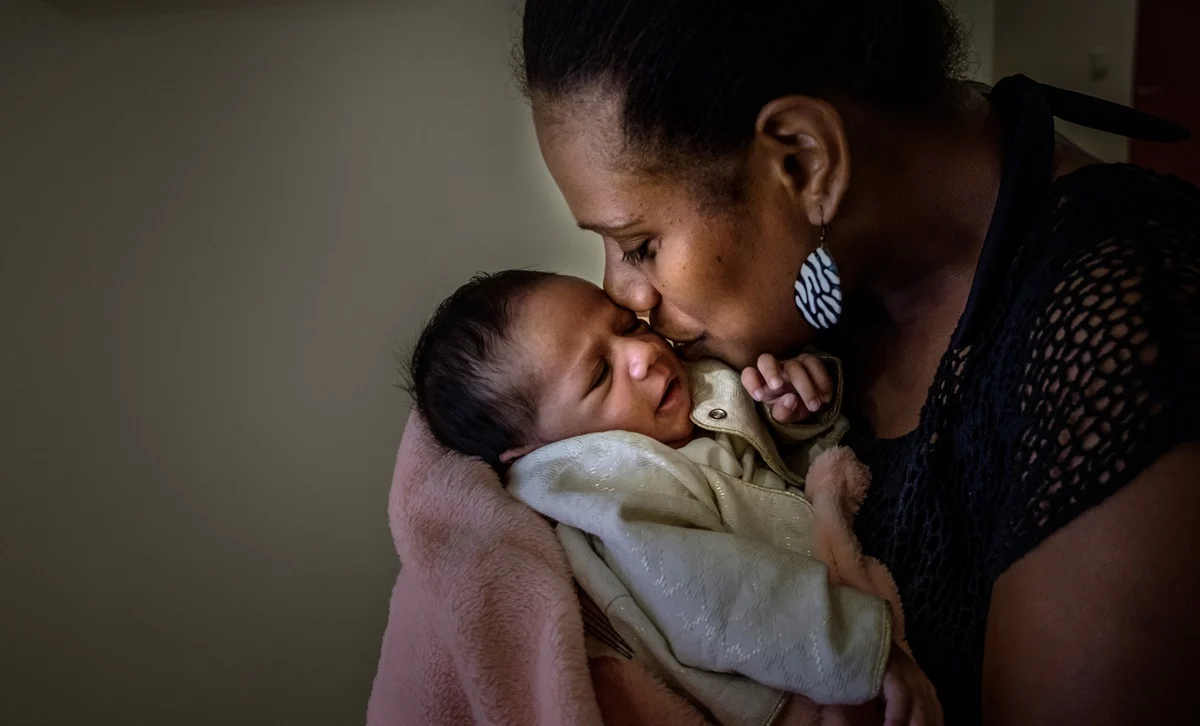
As the World Health Organization (WHO) commemorates its 77th anniversary on World Health Day 2025, the global health community has launched an intensive, coordinated campaign to re-emphasize the critical importance of maternal and newborn health. Under the compelling theme, "Healthier beginnings, hopeful futures," this year’s observance extends far beyond a single day of recognition, initiating a year-long strategic initiative designed to galvanize sustained action. The widespread mobilization, spearheaded by over 100 WHO country and regional offices, underscores a profound alarm regarding the increasing vulnerability of essential maternal and neonatal services in the face of escalating financial pressures across the international health sector.
Maternal and newborn health (MNH) stands as an indispensable pillar of global public health and a foundational element for achieving sustainable development goals. Progress in this area is directly linked to the United Nations’ Sustainable Development Goal 3, which targets a significant reduction in maternal and child mortality. Over recent decades, concerted efforts have yielded considerable advancements, saving millions of lives through improved access to quality care, vaccinations, and nutrition. However, this hard-won progress now faces a precarious future. The global health landscape is characterized by persistent disparities, where millions of women and infants, particularly in low-resource settings, still lack access to life-saving interventions.
Annually, hundreds of thousands of mothers and millions of newborns succumb to largely preventable causes. For mothers, common culprits include severe bleeding (postpartum hemorrhage), hypertensive disorders like pre-eclampsia and eclampsia, infections, and complications during delivery. Newborns are particularly vulnerable to prematurity, birth asphyxia (lack of oxygen at birth), and serious infections such as sepsis and pneumonia. These tragedies are often exacerbated by inadequate infrastructure, shortages of skilled health personnel, limited availability of essential medicines and supplies, and the absence of robust emergency obstetric and neonatal care services. Geographical barriers, socio-economic inequalities, and cultural factors further compound these challenges, creating complex obstacles to universal health coverage.
A primary driver behind the current global urgency is the severe threat posed by funding shortfalls. International aid for health, which has historically played a crucial role in supporting MNH programs in developing nations, is increasingly under strain. Economic downturns, shifting geopolitical priorities, the emergence of new global crises such as pandemics and conflicts, and donor fatigue have led to a precarious funding environment. These financial pressures translate directly into tangible reductions in vital services: health facilities may face closure or operate with severely limited resources, training programs for midwives and obstetricians might be curtailed, and the procurement of essential drugs and medical equipment could be disrupted. The United Nations agencies have issued a stark warning that such cuts risk reversing decades of painstaking progress, potentially leading to a significant backsliding in maternal and newborn mortality rates and devastating health outcomes for vulnerable populations.
In response to this looming crisis, the World Health Organization has orchestrated an unprecedented global advocacy drive. This multi-pronged campaign involves extensive collaboration with Member States, local communities, frontline health workers, partner organizations, and donor agencies. The actions taken across more than one hundred WHO offices worldwide are diverse and tailored to regional and national contexts. They encompass a range of initiatives, from public awareness campaigns leveraging traditional and digital media to high-level policy dialogues aimed at influencing national health budgets and legislative frameworks. Community engagement forms a vital component, fostering local ownership and participation in health promotion and service delivery. These concerted efforts are designed to elevate MNH as a top political and financial priority, ensuring that the health and well-being of mothers and infants remain at the forefront of the global health agenda.
The regional offices of WHO, including those in the Americas (PAHO/WHO), Africa, the Eastern Mediterranean, Europe, South-East Asia, and the Western Pacific, have all implemented specific initiatives reflecting local needs and challenges. For instance, in the WHO Region of the Americas, dialogues have focused on strengthening primary healthcare systems to better integrate MNH services, especially for marginalized populations. In the African Region, campaigns have highlighted the importance of skilled birth attendance and postnatal care in rural areas, where access to medical facilities is often limited. These localized strategies ensure that global mandates are translated into context-specific actions, addressing unique epidemiological profiles, cultural practices, and socio-economic determinants of health within each region. The diversity of these actions underscores a flexible yet unified approach to a global imperative.
A poignant example of this localized engagement comes from Chile, where WHO Chile Country Representative Giovanni Escalante Guzmán actively participated in a discussion alongside Mapuche leader Juana Cheuquepan on April 7, 2025. This interaction exemplified the critical importance of culturally sensitive approaches to health. The dialogue, centered on "mother and newborn health as the basis for healthy families and communities," highlighted the profound understanding that health interventions must be rooted in local wisdom, traditions, and community structures to be truly effective and sustainable. Engaging indigenous leaders and incorporating traditional knowledge into modern healthcare strategies is crucial for building trust, improving access, and ensuring that health services are relevant and acceptable to the populations they serve. This holistic perspective views the health of a mother and her child not as isolated medical events, but as integral to the well-being and resilience of the entire community, profoundly shaping its future.
The theme "Healthier beginnings, hopeful futures" encapsulates the far-reaching impact of robust maternal and newborn health. It emphasizes that the foundation of a healthy, productive life is laid during pregnancy, childbirth, and the earliest stages of infancy. Investing in these critical periods not only prevents immediate mortality but also significantly influences a child’s cognitive development, educational attainment, and long-term physical and mental health. Healthy beginnings reduce the burden of disease in later life, contribute to a stronger workforce, and ultimately foster more prosperous and equitable societies. By designating this as a year-long campaign, WHO signals a commitment to sustained advocacy and action, moving beyond a singular day of awareness to foster continuous engagement and progress throughout 2025 and beyond.
Beyond merely preventing deaths, the World Health Organization’s call extends to prioritizing women’s broader, longer-term health and well-being. This comprehensive perspective encompasses a range of crucial areas, including access to comprehensive reproductive health services, family planning, and sexual health education. It also addresses the pervasive issues of mental health during and after pregnancy, the prevention and management of non-communicable diseases that affect women, and critical support for survivors of gender-based violence. Recognizing that a woman’s health is inextricably linked to her autonomy, empowerment, and ability to contribute meaningfully to her family and society, this holistic approach seeks to ensure that women not only survive childbirth but thrive throughout their lives.
Investing in maternal and newborn health is not merely a humanitarian imperative; it is a strategic economic investment. Healthy mothers are more likely to participate in the workforce, contribute to household income, and raise healthy children who will become productive members of society. Conversely, the societal costs of neglecting MNH are immense, including lost economic productivity, increased healthcare expenditures for managing complications, and the perpetuation of poverty cycles. By safeguarding the health of mothers and infants, nations lay the groundwork for a robust human capital base, fostering economic growth, reducing inequalities, and building resilient communities capable of addressing future challenges.
As World Health Day 2025 initiates this year-long focus, the urgent appeal to governments, international organizations, and civil society resonates with renewed intensity. The call is clear: to reignite political will, explore innovative financing mechanisms, and forge stronger, more collaborative partnerships. While the challenges are formidable, the collective determination to end preventable maternal and newborn deaths offers a hopeful vision. A healthier future for every mother and every child is not merely an aspiration but an achievable reality, contingent upon sustained commitment and concerted global action.
About the Author