The intricate architecture of the human brain, a network of billions of neurons constantly engaged in complex communication, undergoes natural transformations with the passage of time, a process intrinsically linked to cognitive aging. As individuals advance in years, the efficacy of neural pathways can diminish, potentially leading to a deceleration in cognitive processing speed and a subtle erosion of memory recall capabilities. However, groundbreaking research presented at the Federation of European Neuroscience Societies (FENS) Forum 2026 suggests a compelling counter-narrative: extensive engagement with multiple languages may act as a powerful moderator, preserving brain function and presenting neural characteristics typically associated with younger individuals. This phenomenon, observed in individuals who actively utilize more than one linguistic system, indicates a potential buffering effect against some of the wear and tear that accompanies chronological aging.
This pioneering investigation was spearheaded by Dr. Lucia Amoruso, affiliated with the Basque Center on Cognition, Brain and Language situated in San Sebastián, Spain. Her collaborative efforts extended to esteemed institutions across Latin America and Europe, including the Latin American Brain Health Institute at the Universidad Adolfo Ibáñez in Chile, the Cognitive Neuroscience Center at the Universidad de San Andrés in Argentina, and the Global Brain Health Institute at Trinity College Dublin in Ireland. The research builds upon prior work by the team, which had previously posited that populations residing in regions where multilingualism is a societal norm might exhibit a slower trajectory of brain aging. For this latest phase of their inquiry, the researchers specifically focused their attention on participants from the Basque Country in Spain, a region rich in linguistic heritage, encompassing individuals who conversed in one to four languages, including Spanish, Basque, French, and English, in various combinations.
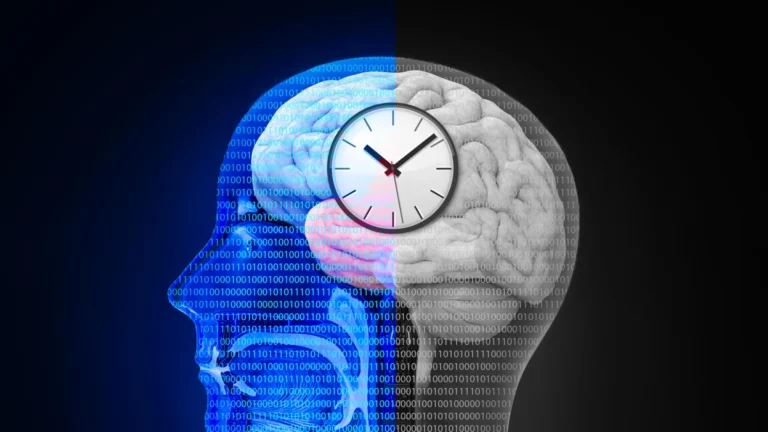
To quantitatively assess the extent of brain aging, the scientific team first embarked on a comprehensive study involving 728 participants, during which they meticulously developed a sophisticated metric they termed a ‘brain aging clock’. This innovative tool relied on magnetoencephalography (MEG), an advanced neuroimaging technique capable of detecting the subtle magnetic fields generated by the electrical activity of neurons. By analyzing the temporal and spatial patterns of these magnetic signals, the researchers could gain insights into the dynamic connectivity of brain networks. Subsequently, sophisticated artificial intelligence algorithms were employed to scrutinize the brain activity patterns across individuals of varying ages. This computational approach enabled the scientists to establish a benchmark for typical brain connectivity patterns at different life stages, essentially creating a digital reference for brain health across the lifespan. This established framework was then applied to a distinct cohort of 144 participants, allowing for the estimation of each individual’s personalized ‘brain age’.
The findings derived from the application of the ‘brain aging clock’ to the second group of participants yielded a remarkably consistent and statistically significant correlation between linguistic proficiency and neural youthfulness. When the participants’ actual chronological ages were juxtaposed with their estimated brain ages, a striking divergence emerged. Individuals who reported speaking two languages consistently displayed brain connectivity patterns that appeared, on average, approximately six years younger than their monolingual counterparts. This trend continued to strengthen with increased linguistic diversity; those fluent in three languages exhibited brains that seemed about seven years younger than those speaking only one. The most pronounced effect was observed among individuals who commanded four languages, whose neural networks exhibited characteristics indicative of a remarkable 13-year reduction in apparent brain age.
Dr. Amoruso articulated the significance of these findings, explaining that "In straightforward terms, individuals who possessed fluency in a greater number of languages tended to exhibit brains that presented as younger than would be anticipated for their chronological age." She further elaborated that the observed effect was not solely contingent on the sheer quantity of languages spoken. Crucially, higher levels of proficiency in each learned language, alongside the earlier acquisition of a second language, were also independently associated with a more pronounced delay in neural aging. This nuanced observation suggests that the benefits of multilingualism operate on a gradient, emphasizing the depth, duration, and developmental timing of language exposure rather than a simple binary distinction between monolingual and bilingual status. The research team meticulously adjusted their statistical analyses to account for confounding variables such as participants’ age, sex, and educational attainment. Nevertheless, they acknowledged the potential influence of other lifestyle factors and social engagement on brain health, recognizing that these elements might also contribute to the observed cognitive advantages.
The implications of this research extend beyond merely understanding the relationship between language and aging; they open avenues for investigating novel strategies to enhance brain resilience, particularly in the context of neurodegenerative conditions. Dr. Amoruso and her colleagues are keen to explore whether similar patterns of preserved brain youthfulness are evident in individuals diagnosed with conditions like Alzheimer’s disease, where maintaining cognitive function and bolstering neural resilience are of paramount importance. Furthermore, they intend to delve into the specific linguistic mechanisms that might be at play, considering the possibility that actively engaging with closely related languages could yield an even more potent effect. The hypothesis here is that the constant cognitive effort required to differentiate and manage competing linguistic systems within similar language families might necessitate a higher degree of executive control, thereby conferring a greater cognitive advantage.
Professor Christina Dalla, who chairs the FENS Forum communication committee and was not directly involved in this study, provided an expert perspective on the broader context of brain health. She highlighted the multifaceted nature of factors that influence cognitive well-being throughout life, stating, "We are aware that numerous elements can impact our brain health and cognitive abilities as we age." She enumerated established contributors to healthy aging, including abstaining from smoking, maintaining a balanced diet, engaging in social and artistic activities, and staying physically active. Professor Dalla underscored the critical role of lifelong cognitive engagement, remarking, "The manner in which we utilize our brains throughout our lives can also exert an influence, particularly when we undertake demanding learning activities that actively stimulate our cognitive faculties."
Drawing a direct line to the current research, Professor Dalla concluded, "This study offers compelling evidence that acquiring a second, third, or even a fourth language could serve as a valuable intervention for maintaining youthful brain function for extended periods, with earlier initiation of language learning appearing to be particularly beneficial." She emphasized the multifaceted appeal of language acquisition, noting, "There are manifold compelling reasons to embark on learning another language at any age—social, cultural, and crucially, for the health of our brains." Consequently, she advocated for robust support for language learning initiatives, both within educational systems and as a lifelong pursuit, even acknowledging the inherent challenges involved. The research was supported by significant funding from the National Institutes of Health (NIH) and the National Institute on Aging (NIA), the Fogarty International Center, and the Multi-partner Consortium to Expand Dementia Research in Latin America (ReDLat). Additional financial backing was provided by the Alzheimer’s Association, the Global Brain Health Institute, the Davos Alzheimer’s Collaborative, the Alzheimer’s Society UK, FONDECYT, and a Ramón y Cajal fellowship through the Spanish State Research Agency, underscoring the broad scientific and societal interest in this impactful line of inquiry.
About the Author