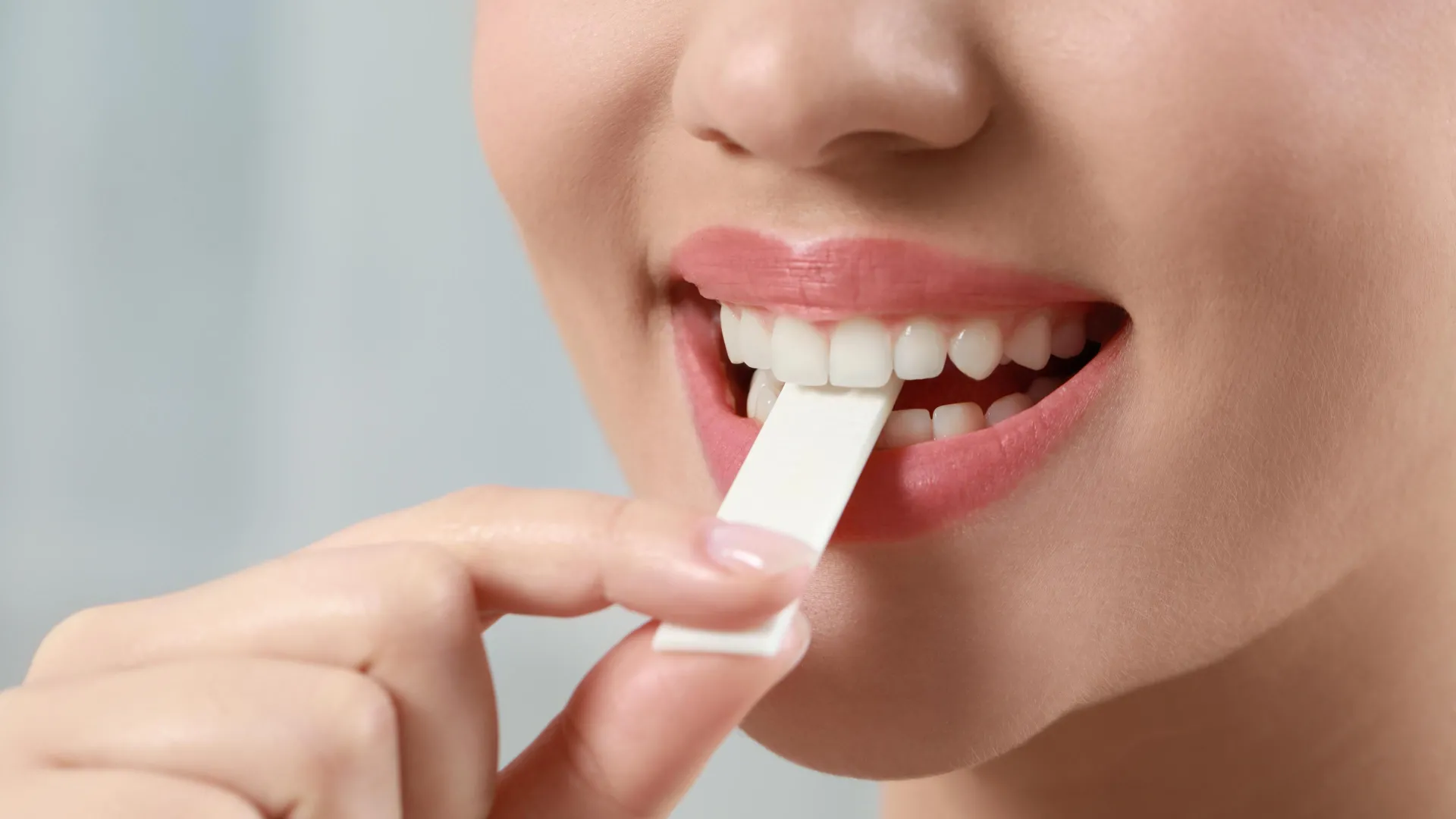
An innovative approach to combating microorganisms implicated in head and neck cancers has emerged from recent scientific endeavors, offering a fresh perspective on therapeutic intervention. Researchers have successfully developed a specially engineered chewing gum designed to selectively reduce levels of a specific virus and two bacterial species strongly associated with the onset and progression of these aggressive malignancies. This breakthrough, originating from the University of Pennsylvania’s School of Dental Medicine, could pave the way for more accessible and economically viable adjunct treatments. The promising findings, which detail significant reductions in microbial loads within patient oral samples, were meticulously documented and subsequently published in the esteemed journal Scientific Reports, sparking considerable interest within the oncology community.
Head and neck squamous cell carcinoma (HNSCC) represents a formidable challenge in modern medicine, encompassing a diverse group of cancers that originate in the mucosal lining of the mouth, throat, voice box, and other upper aerodigestive tract structures. This particular type of cancer is notorious for its aggressive nature and often presents with poor prognoses, especially when detected at advanced stages. Globally, the incidence of HNSCC remains a significant public health concern, with statistics for 2022 highlighting lip and oral cavity cancers as the seventh leading cause of cancer-related incidence and mortality among adolescents, young adults, and middle-aged adults worldwide. The debilitating effects extend beyond physical health, profoundly impacting a patient’s quality of life through impairments in speech, swallowing, and facial aesthetics.
Despite advancements in surgical techniques, radiation therapy, chemotherapy, and more recently, targeted therapies and immunotherapies, the landscape of HNSCC treatment continues to grapple with substantial hurdles. Dr. Henry Daniell, a distinguished W.D. Miller Professor in the Department of Basic & Translational Sciences at the University of Pennsylvania’s School of Dental Medicine and the lead investigator of this pivotal study, emphasizes the critical need for novel therapeutic strategies. He points out that many recently approved cancer medications, while offering some benefits, have not consistently yielded major improvements in patients’ long-term survival rates or their overall quality of life. This observed plateau in progress underscores the urgency for innovative, complementary approaches that can seamlessly integrate with and augment existing treatment paradigms, potentially improving patient outcomes and mitigating treatment-related toxicities.
The genesis of this groundbreaking chewing gum therapy lies in prior research that explored the therapeutic potential of lablab beans, a legume commonly cultivated across tropical regions. These beans contain a naturally occurring antiviral protein known as FRIL (fruit-derived antiviral lectin). The initial formulation of the gum harnessed this component, demonstrating its capacity to interfere with viral replication. Building upon this foundational work, Dr. Daniell and his collaborative team embarked on an ambitious project to develop a more comprehensive bioengineered solution. Their objective was to create a targeted intervention that could address a broader spectrum of microbial agents implicated in HNSCC, specifically focusing on human papillomavirus (HPV) and two prominent bacterial species: Porphyromonas gingivalis (Pg) and Fusobacterium nucleatum (Fn).
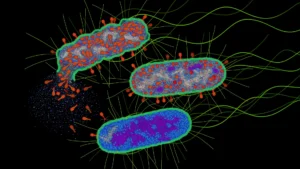
The intricate relationship between the oral microbiome and cancer development is an area of intensifying research. HPV, a widely recognized sexually transmitted virus, is increasingly linked to the global rise in oropharyngeal cancers, particularly in non-smoking, non-drinking populations. The virus’s oncogenic potential stems from its ability to produce specific proteins (E6 and E7) that disrupt cellular regulatory pathways, leading to uncontrolled cell growth and malignant transformation. Beyond viral culprits, a growing body of evidence implicates specific bacterial pathogens in contributing to cancer initiation and progression. Porphyromonas gingivalis, a keystone pathogen in chronic periodontitis, and Fusobacterium nucleatum, frequently found in colorectal cancers, are two such species that have been shown to exacerbate the aggressiveness of HNSCC. As Dr. Daniell articulates, infections involving Pg and Fn are known to worsen the survival rates of patients suffering from untreated recurrent or metastatic oral cancer, even after they have undergone surgery and received risk-adjusted adjuvant therapies, highlighting their detrimental role in disease prognosis.
To rigorously evaluate the efficacy of their bioengineered chewing gum, the research team conducted a series of laboratory tests using oral samples collected directly from HNSCC patients. The initial version of the bean gum, containing FRIL, demonstrated remarkable antiviral activity. In saliva samples, extracts from this gum led to a substantial 93% reduction in HPV levels. Furthermore, in oral rinse samples, HPV levels decreased by an impressive 80%. These findings alone represented a significant step forward, given the increasing prevalence of HPV-driven oropharyngeal cancers.
The innovation did not stop there. Recognizing the dual threat posed by both viral and bacterial pathogens, the researchers further engineered the bean gum to incorporate protegrin, a potent antimicrobial peptide. Protegrin is renowned for its broad-spectrum activity against various harmful bacteria, making it an ideal candidate for targeting Pg and Fn. The results from tests involving this enhanced gum were equally compelling: a single dose effectively reduced the levels of both Porphyromonas gingivalis and Fusobacterium nucleatum to nearly undetectable levels.
A particularly crucial aspect of this therapeutic strategy is its selective action. Unlike many conventional treatments, such as radiation therapy, which can indiscriminately eradicate both beneficial and harmful microorganisms, the bioengineered chewing gum demonstrated a remarkable ability to preserve the healthy bacteria that naturally reside within the oral cavity. Radiation, while effective against cancer cells, often disrupts the delicate balance of the oral microbiome, leading to dysbiosis. This imbalance can create an opportunistic environment for the overgrowth of pathogenic organisms, such as the disease-causing yeast Candida albicans, leading to secondary infections and complications that further diminish a patient’s quality of life. The capacity of the chewing gum to specifically target detrimental microbes while safeguarding the commensal oral flora represents a significant advantage, potentially reducing side effects and improving overall oral health during cancer treatment.
The implications of this research are far-reaching and multifaceted, suggesting several potential applications for the bioengineered chewing gum. Firstly, it could serve as a valuable additional therapy, working synergistically with current cancer treatments like surgery, chemotherapy, and radiation. By reducing the microbial burden in the oral cavity, the gum might help improve treatment efficacy, lower the risk of recurrence, and potentially mitigate certain side effects. Secondly, its role as a preventive measure is equally promising. It could be deployed to prevent initial infections by HPV, thereby reducing transmission, or to inhibit the colonization and proliferation of pathogenic bacteria in individuals at high risk for HNSCC. This prophylactic potential is particularly pertinent given the global rise in HPV-associated oral cancers.
The development of such an accessible and potentially affordable intervention holds immense promise for global health, especially in regions with limited access to sophisticated medical facilities or expensive treatments. The localized delivery mechanism of chewing gum ensures direct application to the affected area, potentially minimizing systemic exposure and associated side effects, while also promoting patient compliance due to its non-invasive and convenient nature.
The research team, comprising talented individuals including Geetanjali Wakade, Rahul Singh, and Smruti Nair from Penn Dental Medicine; André M. Bur and Sufi M. Thomas from the University of Kansas Medical Center; Eri S. Srivatsan and Marilene B. Wang from the University of California at Los Angeles; and Saroj K. Basak from the Veterans Administration Greater Los Angeles Healthcare System, underscores the collaborative and interdisciplinary nature of this scientific endeavor. Their collective efforts have laid a robust foundation for advancing these novel therapies into subsequent phases of clinical investigation. The study received vital financial backing from several prestigious institutions, including the National Institutes of Health (NIH grant 5-R01-HL 107904-13), the Academic Senate Grant of the David Geffen School of Medicine at UCLA (Surgical Education Research program), and the National Cancer Institute Cancer Center (Support Grant P30 CA168524).
Looking ahead, the next critical steps involve moving this innovative chewing gum through rigorous clinical trials to ascertain its safety, optimal dosing, and efficacy in human subjects. If successful, this bioengineered oral therapeutic could represent a transformative addition to the arsenal against head and neck cancers, offering a simple yet powerful tool for improving patient outcomes, enhancing quality of life, and potentially altering the trajectory of this challenging disease. The vision of a future where a simple act of chewing gum contributes to cancer prevention and treatment underscores the immense potential of this pioneering research.
About the Author