The Quick-Service Restaurant (QSR) sector in the United States continues to be a dynamic and highly competitive arena, characterized by relentless innovation, strategic expansion, and a constant re-evaluation of consumer preferences. Annually, industry stakeholders eagerly anticipate the release of the QSR 50 report from QSR Magazine, a comprehensive analysis that meticulously ranks the nation’s leading fast-food establishments. This authoritative publication utilizes a range of critical metrics, including systemwide sales, average unit volume (AUV), and growth trajectories, to provide a definitive snapshot of market leadership and emerging trends. The most recent 2026 QSR 50 report has now been unveiled, offering invaluable insights into the strategies employed by America’s largest fast-food chains to maintain their positions, navigate challenges, and capitalize on evolving consumer demands. From global behemoths to segment-specific leaders, these ten brands collectively represent the vanguard of the quick-service landscape, each demonstrating distinct approaches to growth and market retention.
At the pinnacle of the American fast-food hierarchy, McDonald’s steadfastly holds its ground as the undisputed leader in systemwide sales. This iconic burger chain, boasting a vast network of 13,706 restaurants across the United States in 2025, is experiencing a remarkable period of domestic expansion, marking its most robust growth phase in over two decades with 147 new openings in 2025, an increase from 102 in 2024. Its strategic focus encompasses a multi-pronged approach centered on delivering exceptional value to consumers through attractively priced menus and bundled offerings. Simultaneously, McDonald’s is heavily investing in sophisticated digital engagement platforms, fostering customer loyalty through its mobile application, and executing impactful marketing campaigns. The recent reintroduction of popular items like the Snack Wrap and the launch of innovative products such as the "Big Arch" have further stimulated customer interest. Furthermore, the brand is keenly targeting beverage innovation to attract a younger demographic. Globally, McDonald’s ambitious expansion plans saw 2,275 new locations open in 2025, with an additional 2,600 projected for 2026, solidifying its international footprint. The first quarter of 2026 alone witnessed a significant 3.9% improvement in same-store sales, underscoring the effectiveness of its current operational blueprint.
Securing the second spot is Starbucks, a global coffee giant currently undergoing a significant operational revitalization under the leadership of CEO Laxman Narasimhan. The "Reinventing Starbucks" strategy, initiated to restore customer traffic, streamline store operations, enhance service speed, and rejuvenate the in-store experience, has begun yielding positive results. Early indicators from 2026 reveal a notable uptick in transactions and sales during the second quarter. Key initiatives contributing to this recovery include the successful rollout of scheduled mobile pickup, allowing customers to place orders up to 30 minutes in advance, and exploratory ventures into artificial intelligence to personalize the customer journey. Alongside these enhancements, Starbucks has implemented fiscal tightening measures, including strategic layoffs and the consolidation of certain regional offices, while simultaneously committing a substantial $100 million investment into a new support office in Nashville, projected to generate 2,000 new employment opportunities. This blend of operational refinement and targeted investment underscores Starbucks’ commitment to sustained growth and market dominance in the competitive beverage and quick-service segment.
Chick-fil-A emerges as an exceptional performer, occupying the third position with a distinctive business model that continues to defy conventional industry norms. Despite operating fewer total locations than many of its peers—2,863 franchised and company-owned establishments in 2025—the chicken-centric chain generated an astounding $23.9 billion in systemwide sales in 2025, a substantial leap from $21.5 billion in 2023 and $12.2 billion in 2019. This remarkable financial growth is further amplified by its rapid expansion, with 179 new restaurants added in 2025, outpacing the 132 and 141 openings in 2024 and 2023, respectively. What truly sets Chick-fil-A apart is its unparalleled restaurant productivity, with comparable domestic freestanding and drive-thru-only units averaging approximately $9.161 million in annual sales. Notably, one individual Chick-fil-A location achieved an extraordinary $20 million in sales, illustrating the brand’s immense operational efficiency and fervent customer loyalty, fostered by its renowned customer service and focused menu strategy.
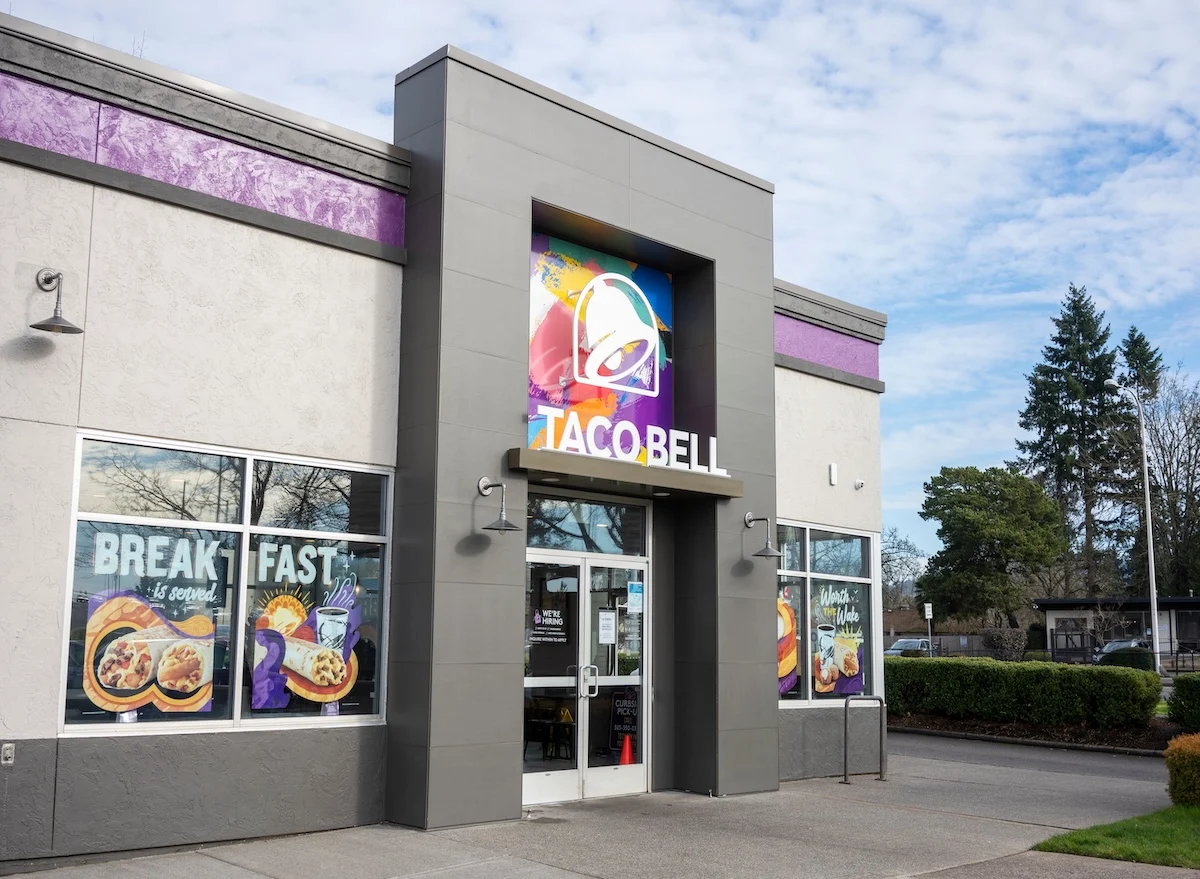
In the fourth spot, Taco Bell exemplifies a thriving fast-food enterprise, consistently demonstrating robust growth and an acute understanding of its consumer base. The Mexican-inspired chain achieved a net restaurant growth of 180 units year-over-year, cementing its position as one of the restaurant industry’s most dynamic success stories. Taco Bell’s strategy is ingeniously balanced between offering compelling value and fostering continuous menu innovation, rather than solely relying on promotional discounts. Its "Luxe Value Menu" serves as a prime example of this philosophy, providing affordability without compromising on novel culinary experiences. Looking ahead to 2026, the brand has already unveiled plans for over 20 new menu concepts, signaling a sustained commitment to freshness and variety. Beverages are also increasingly becoming a focal point, with initiatives like Live Más Café and specialized drink offerings. Furthermore, Taco Bell is strategically investing in core categories such as chicken, a diverse range of sauces, enticing desserts, and cutting-edge AI-powered personalization technologies to further enhance the customer experience and drive future expansion.
Dunkin’, a ubiquitous presence in the coffee and baked goods market, secures the fifth position, enjoying an extraordinary year marked by impressive growth. With 9,999 locations in 2025 and domestic systemwide sales exceeding $13 billion, Dunkin’ has firmly established its expansive reach. Its parent company, Inspire Brands, has confidentially filed for an Initial Public Offering (IPO), underscoring the brand’s strong financial health and growth prospects. QSR Magazine identifies Dunkin’ as the fastest-growing concept within Inspire Brands’ diverse portfolio, a testament to its successful strategies. Recent menu innovations, specifically designed to capture afternoon traffic, have proven highly effective. These include the introduction of popular Refreshers, a variety of protein drinks, indulgent frozen Coffee Chillers, a trendy "dirty soda" lineup, and the launch of Dunkin’ Zero energy drinks. These additions have not only broadened its appeal but also diversified its revenue streams beyond traditional morning sales, attracting new customer segments throughout the day.
Despite a challenging period, Wendy’s ranks sixth, currently navigating a significant strategic overhaul known as "Project Fresh." However, initial results suggest that this turnaround initiative has yet to fully gain traction. The brand experienced considerable setbacks in U.S. same-store sales, with a decline of 11.3% in the fourth quarter and a further 7.8% drop in the first quarter of the reporting period. Management attributes these negative trends partly to the underperformance of recent marketing campaigns, including the "100 Days of Summer" promotion and a collaboration with Takis snacks. In an effort to reverse these fortunes, Wendy’s is placing considerable hope in its newly launched "Biggie Deals" value platform, featuring attractive price tiers at $4, $6, and $8. Concurrently, the company is undertaking a strategic consolidation of its restaurant footprint, planning to close between 5% and 6% of its U.S. locations, potentially amounting to hundreds of units. This measure is intended to reallocate resources towards its strongest performing restaurants and franchisees, aiming for greater operational efficiency and profitability.
Chipotle Mexican Grill holds the seventh spot, demonstrating an aggressive expansion strategy despite recent fluctuations in sales performance. In 2025, Chipotle achieved a record-breaking year for new restaurant openings, adding 345 locations and surpassing the 4,000-restaurant milestone across its system. While the brand experienced a modest 1.7% decrease in same-store sales and a 2.5% dip in fourth-quarter comparable sales, signs of a rebound have emerged in 2026. The first quarter of 2026 saw a 0.5% increase in same-store sales, accompanied by a 0.6% rise in customer transactions, indicating a positive shift in momentum. Digital sales continue to be a powerhouse for Chipotle, reaching an impressive $1.2 billion in Q1, accounting for 38.6% of its total sales. The limited-time offering of Chicken Al Pastor proved to be an overwhelming success, marking Chipotle’s most triumphant product launch to date, showcasing the brand’s ability to innovate and resonate with its customer base.
Burger King stands at number eight, actively engaged in its ambitious "Reclaim the Flame" turnaround program, launched in 2022, which is now beginning to yield tangible positive outcomes. Since the inception of this comprehensive strategy, the fast-food giant has committed over $2 billion towards crucial investments in restaurant modernization, technological upgrades, targeted marketing campaigns, and significant operational enhancements. These efforts have translated into robust financial performance, with first-quarter 2026 same-store sales registering a healthy 5.8% increase. This strong showing indicates that Burger King has successfully outpaced the broader QSR burger category for four consecutive years, signaling a consistent upward trajectory. A key component of this resurgence has been the strategic revamp of its flagship product, the Whopper, which now features a glazed bun, a creamier mayonnaise, and refreshed packaging, contributing to renewed customer appeal and an improved overall dining experience.
Securing the ninth position, Domino’s Pizza maintains its formidable lead within the U.S. pizza delivery segment. The company has experienced a commendable 3% jump in same-store sales since the previous year’s rankings, underscoring its continued market strength. Domino’s is embarking on an assertive expansion path, with projections to add over 175 net new U.S. stores in 2026, a stark contrast to competitors like Pizza Hut and Papa John’s, which are reportedly closing locations. A significant factor in Domino’s sustained success is its pioneering adoption of technology, notably the upgraded Pizza Tracker. This innovative system, which now incorporates AI-powered delivery estimates, real-time GPS driver tracking, and enhanced order visibility, has been utilized by customers for over 2.5 billion orders since its debut in 2008. Furthermore, the brand has strategically revamped its loyalty program, modernized its website and mobile application, and broadened its engagement with third-party delivery platforms, ensuring a comprehensive and convenient customer experience.
Finally, Subway occupies the tenth spot among America’s largest quick-service chains, grappling with a decade-long pattern of domestic unit contraction. By the close of 2025, the sandwich franchise operated 18,773 restaurants in the U.S., experiencing 729 net closures. This represents the tenth consecutive year of declining unit counts domestically, with approximately 8,300 restaurants shuttering since its peak of over 27,000 locations in 2015. Despite these domestic challenges, Subway has pivoted aggressively towards international expansion, successfully adding 1,000 restaurants globally in 2025 and securing agreements for more than 12,000 future international locations. In a bid to revitalize its domestic appeal, Subway has implemented several key changes over the past year. These include the introduction of a permanent "Fresh Value Menu," offering 15 distinct sandwiches, wraps, and rotating specials priced under $5. Additionally, the brand has strategically revived its "better-for-you" brand positioning, highlighting its "Fresh Fit" sandwich selection, which boasts at least 20 grams of protein, a serving of vegetables, and fewer than 500 calories for a six-inch sub, aiming to attract health-conscious consumers.
The 2026 QSR 50 report paints a nuanced picture of the American fast-food industry: a landscape where established giants like McDonald’s continue to dominate through strategic growth and value offerings, while innovative players like Chick-fil-A and Taco Bell thrive on unique models and continuous menu evolution. Brands such as Starbucks and Burger King demonstrate the potential of ambitious turnaround strategies, leveraging technology and product reinvention. Conversely, chains like Wendy’s and Subway highlight the ongoing challenges of adapting to shifting consumer demands and competitive pressures, necessitating difficult decisions regarding market footprint and strategic focus. Overall, the report underscores the critical importance of digital integration, value propositions, and agile menu development as foundational pillars for success in the ever-evolving quick-service restaurant market.
About the Author